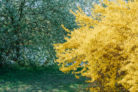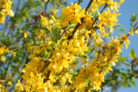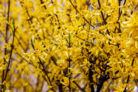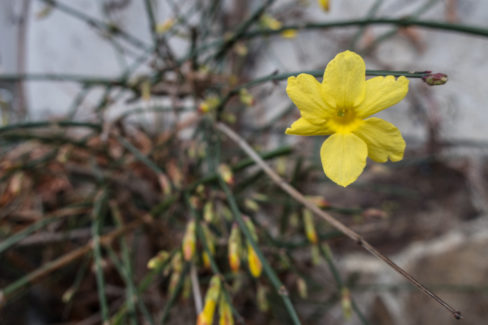
When fall rolls around, most of us get that urge to grab the shears and tidy up the garden for winter. But hold your horses! While many plants love a good autumn haircut, some shrubs really shouldn’t be touched this late in the year. The forsythia is a perfect example of a plant that prefers to be left alone in the fall.
Why is a fall pruning risky?
Here’s the deal: Forsythias need plenty of time after their blooming period to grow the new wood that will carry next year’s flowers. If you go in and prune in the fall, you’re likely cutting off all those fresh buds. The result? A very green but very sad shrub that won’t bloom at all come spring.
When is the best time to prune?
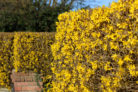
The sweet spot for pruning a forsythia is right after the flowers fade in the spring. You should give your shrub its first real trim by the time it’s three years old. If you’ve planted your forsythias as a hedge, you can actually wait about four weeks after blooming to prune. This gives the shrub a little extra time to put out some vigorous new growth first.
How should I prune my forsythia?
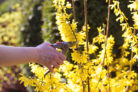
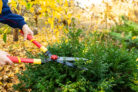
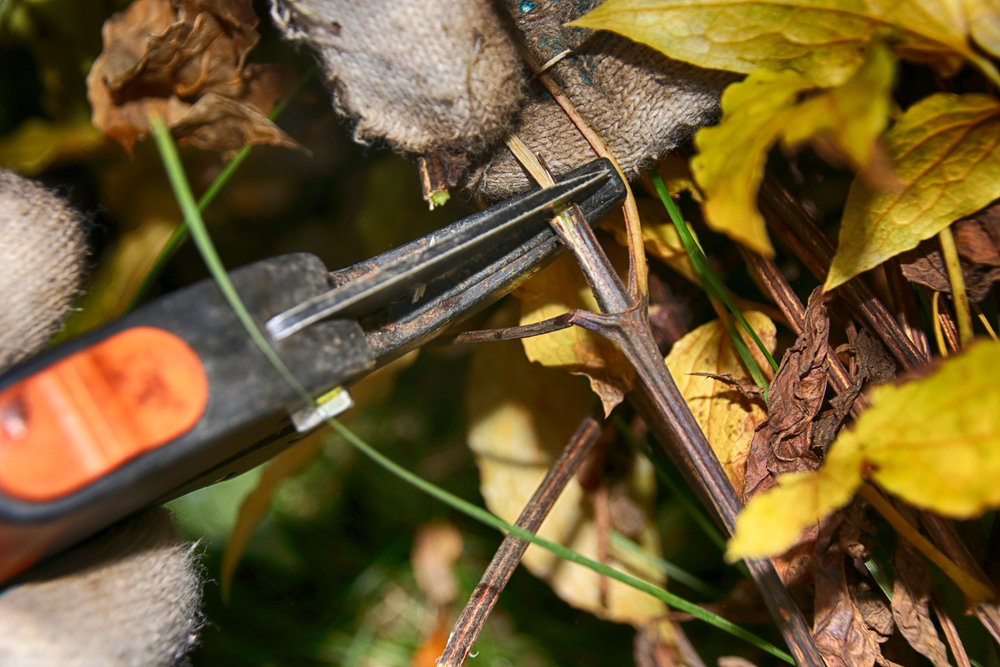
First things first—grab a pair of gardening gloves. Forsythias are considered slightly toxic, so it’s better to be safe than sorry. As a general rule, you want to remove any branches or twigs that are older than three years. You can shorten or thin out last year’s growth, but don’t go overboard; leave enough behind so the shrub doesn’t look totally bare.
If your plant is looking a bit “blah” and needs a rejuvenation prune, you can be a bit more aggressive than you would with a standard maintenance trim. You can even do a “rejuvenation cut” by sawing the whole thing down to about 8 inches above the ground to let it start fresh. Just keep in mind that if you go this route, you’ll have to skip the flowers for one season while it regrows.
Quick Summary:
- Fall pruning isn’t recommended for these spring bloomers.
- Don’t cut back too many of this year’s shoots, or you’ll lose your flowers.
- The ideal time to prune is right after blooming (or 4 weeks later for hedges).
- Radical pruning is an option, but regular maintenance is better.
- Consistently remove old wood (older than 3 years).
Pro Tip: If you absolutely must prune in the fall, be extremely careful and selective so you don’t ruin next spring’s golden display.