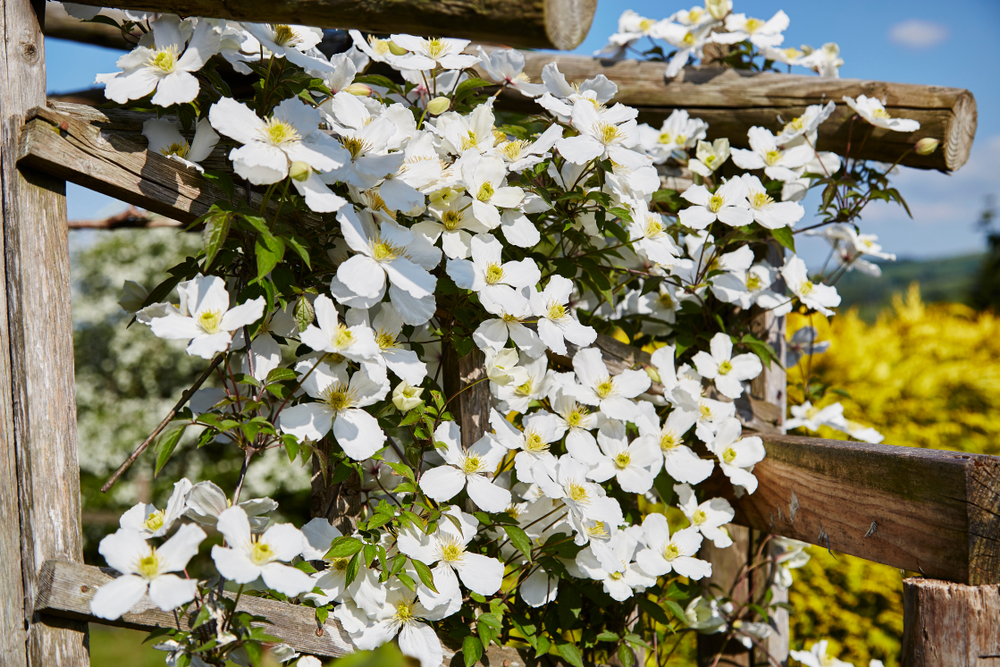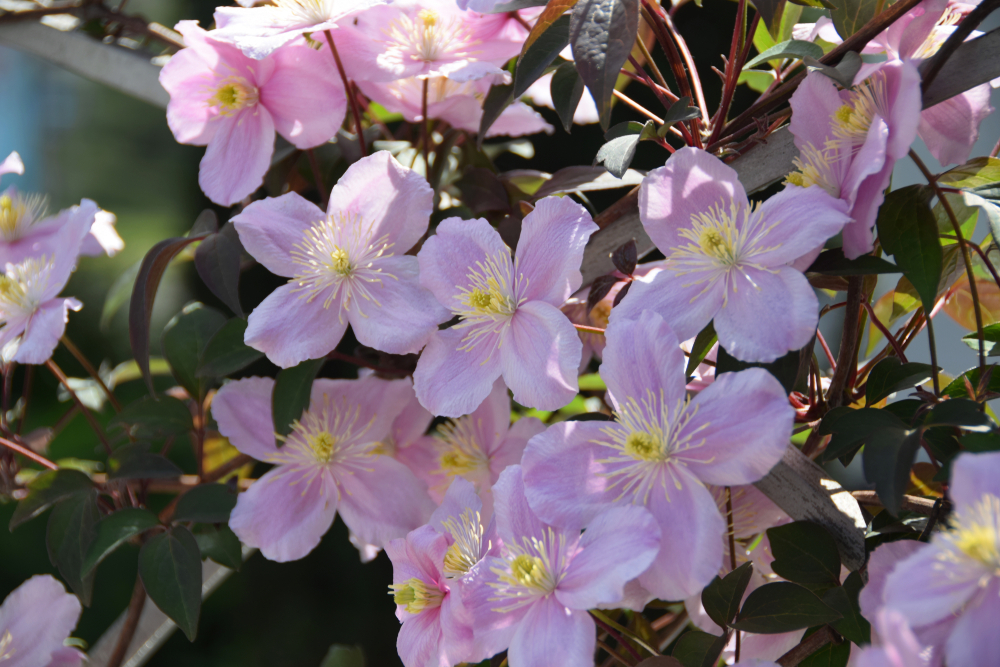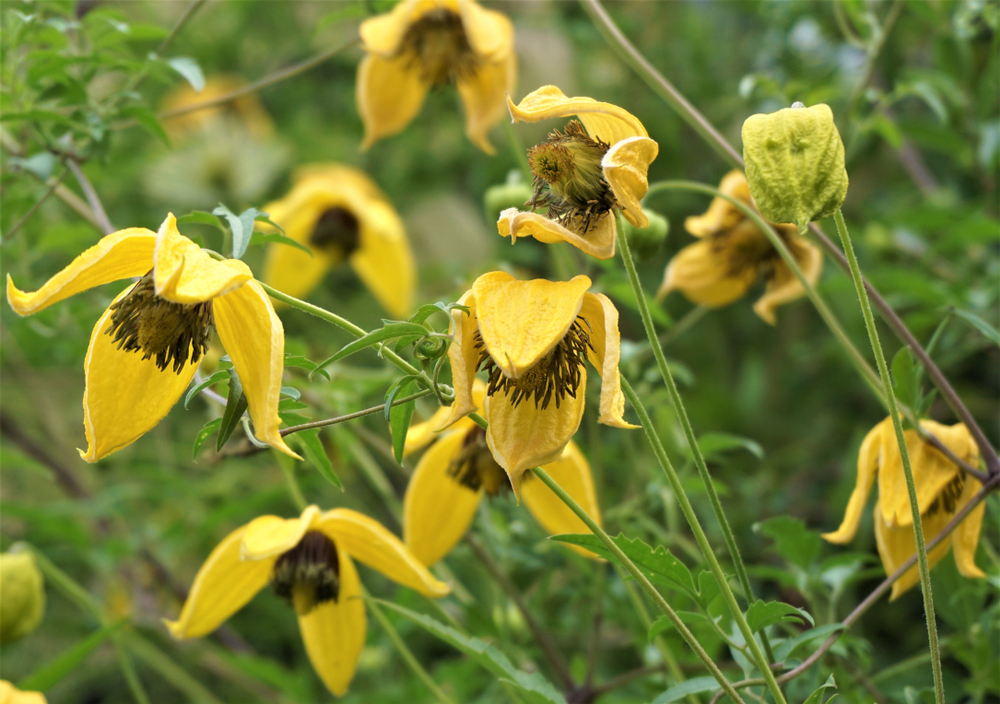
Clematis is a total favorite for us gardeners, and a big reason why is its incredible versatility. Depending on which variety you pick, you can have stunning blooms from early spring all the way into late autumn. But because they bloom at such different times, there isn’t a “one size fits all” rule for pruning. Knowing when to grab your shears is key to a happy plant!
Understanding Clematis Pruning Groups
The secret to success lies in the three different pruning groups, which are based on when the plant flowers. Pruning Group 1 consists of early bloomers that are often in full glory by April. If you have one of these in your backyard, you’ll want to skip the fall pruning. These plants are already busy setting their buds for next year during the autumn, so if you trim them now, you’re basically cutting off next spring’s flower show.
Pruning Group 2 in the Fall
It’s a different story for varieties that bloom in early to mid-summer (usually June). These beauties don’t start developing their new shoots until the following spring. For these, a light trim in the fall to keep them at your desired height works great, since they won’t put on any new growth during the winter. If you want to keep them shorter, a more significant cut is also perfectly fine.
No Stress with Pruning Group 3
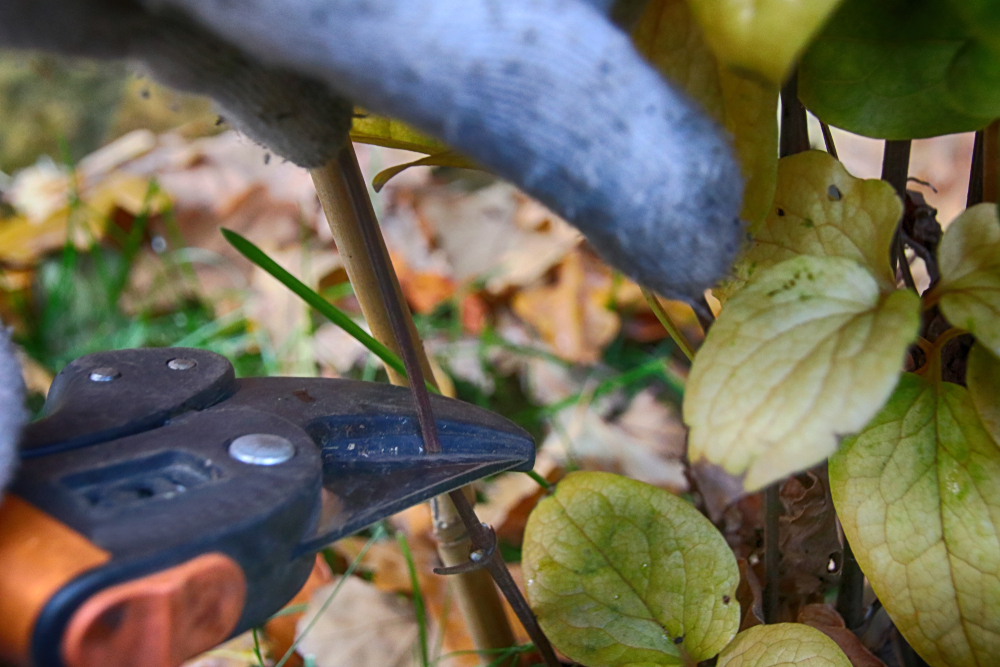
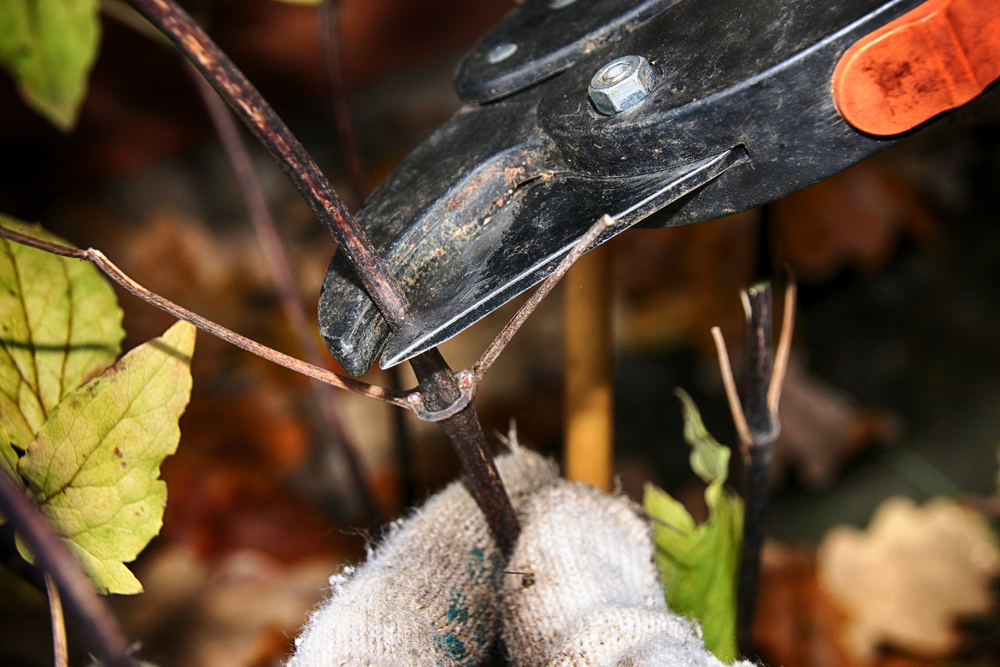
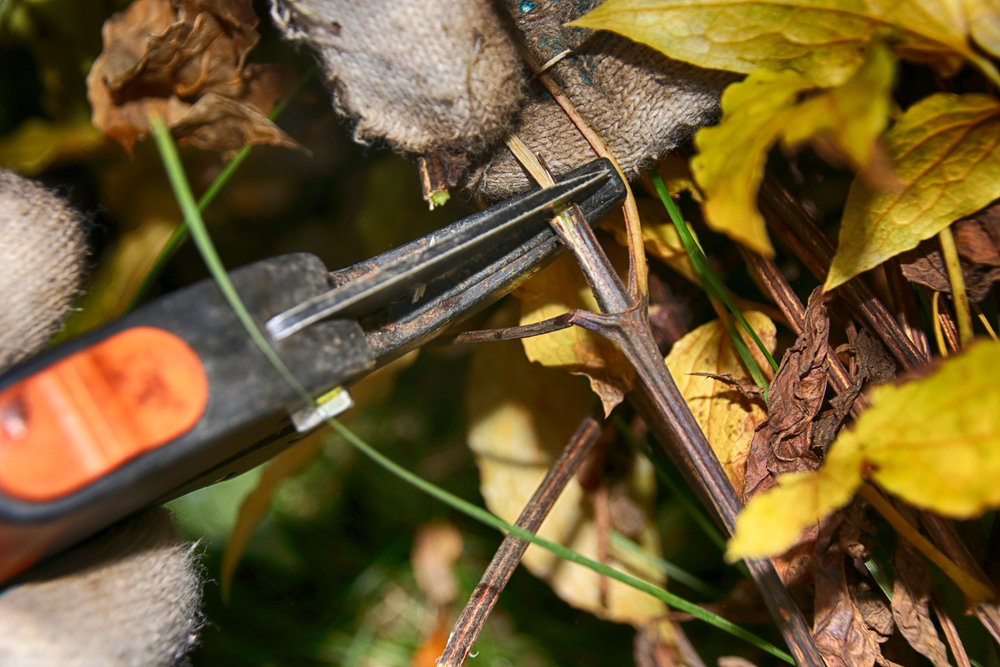
Then we have Pruning Group 3—the late bloomers that start their show in July or even later. These guys are usually fast growers and can get pretty tall! For this group, a heavy cut in the fall is actually the best way to keep them under control and direct their growth for next year. While you *could* wait until spring, you’ll likely end up hacking off a bunch of fresh new growth, so fall is definitely the way to go.
To keep it simple, here’s your quick fall cheat sheet:
- Pruning Group 1: Don’t prune in the fall.
- Pruning Group 2: Give them a light, careful trim in the fall.
- Pruning Group 3: Go ahead and do a radical cut-back in the fall.