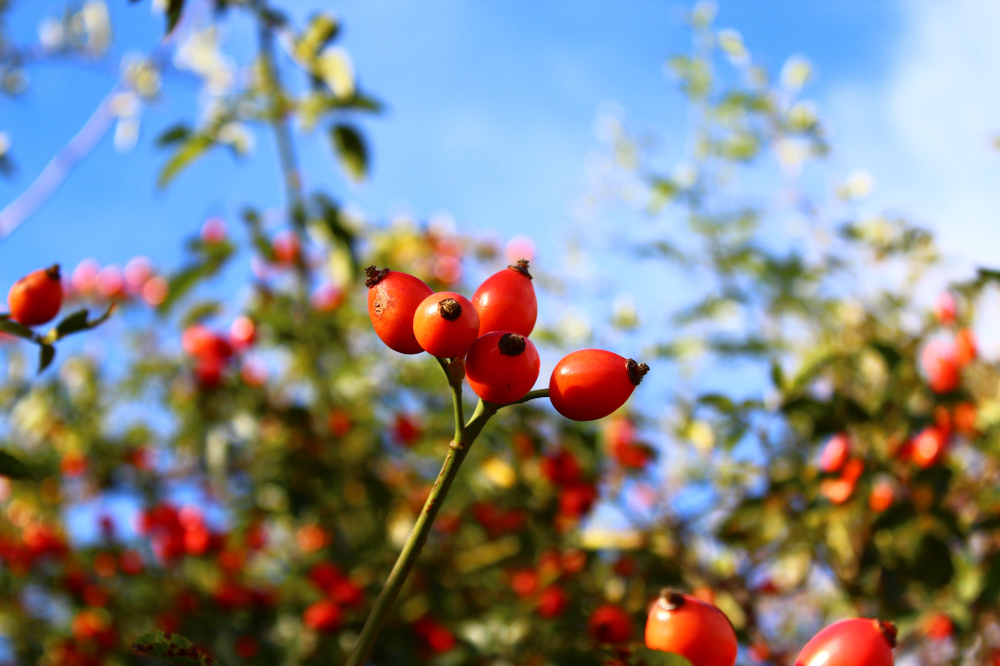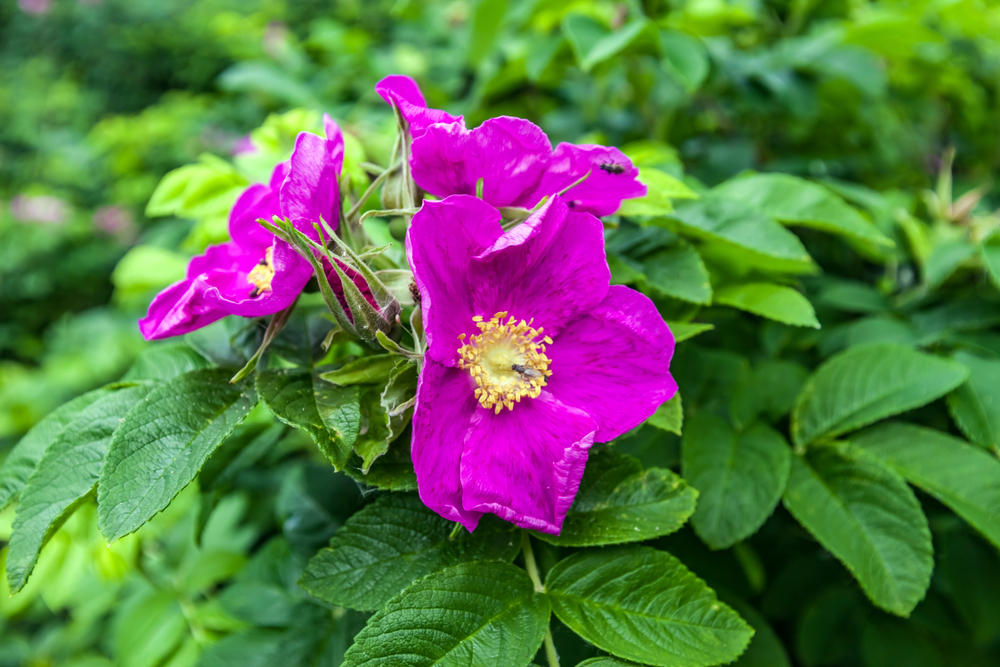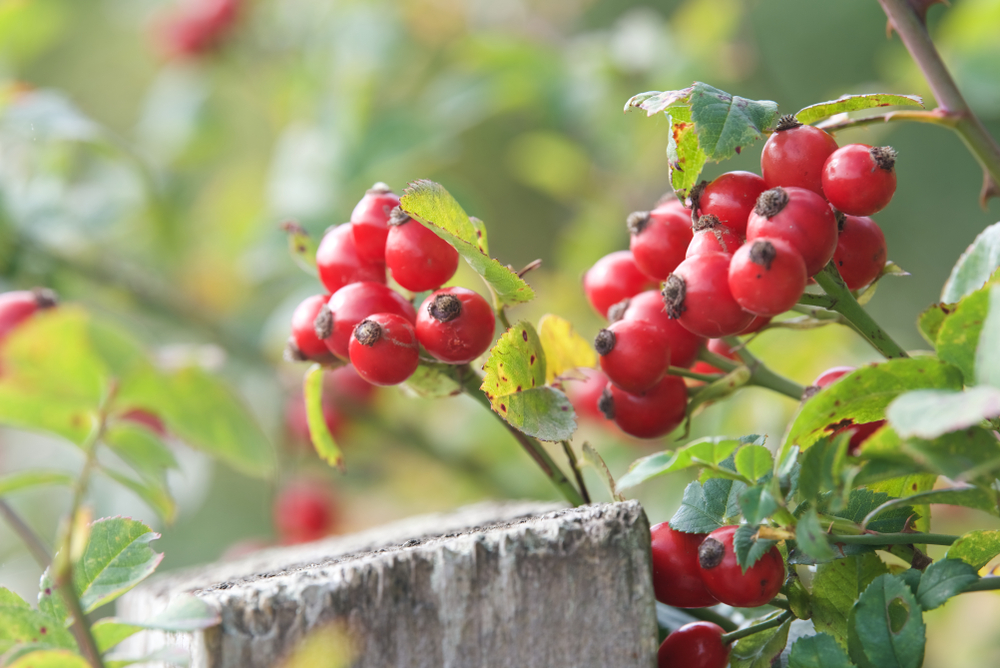
Roses put on such a stunning show, don’t they? And here’s a little pro tip: the more blooms you have, the more rose hips you’ll get to enjoy later. That’s why pruning is one of the most important chores in your garden calendar. It’s the secret to a massive flower display and keeping your plants feeling young and energetic.
When to Prune Your Rose Hips
Timing is everything when it comes to pruning, whether you’ve got a Dog Rose or a classic Wild Hedge Rose in your yard. Now, technically, roses are tough enough to survive without a haircut, but they can get a bit “lazy” with their flowers if left alone. To keep them from getting overgrown and to ensure a bumper crop of hips, you’ll want to do some light thinning throughout the entire year.
The one exception is a “hard prune” (or rejuvenation prune). Every three to four years, you’ll want to cut them back more significantly to prevent the plant from getting leggy or woody at the base. The best window for this is between October and December—just make sure you don’t prune when it’s freezing out!
The Nitty-Gritty on Thinning Out Your Roses
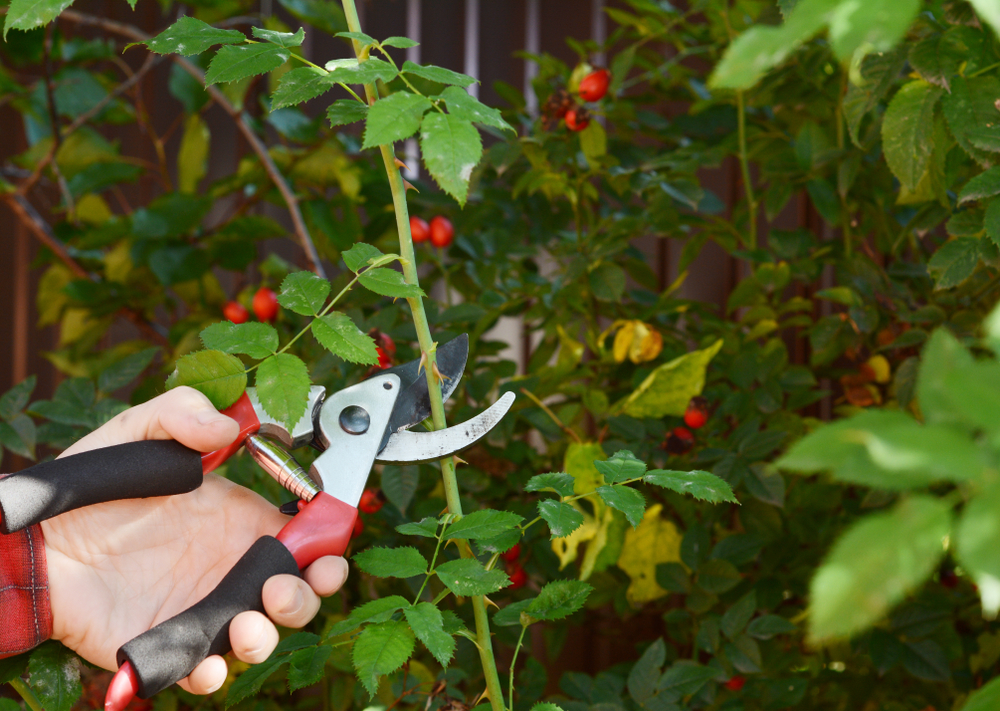
From spring through fall, keep an eye out for old wood and clip it away. Old branches just drain the plant’s energy, lead to bare spots, and result in fewer flowers and fruit. When you’re thinning, be gentle—you don’t want to accidentally hack off all the fresh, new growth. Grab a clean, sharp pair of bypass pruners and keep these tips in mind:
- Cut at a slight angle to help the “wound” heal faster and shed water.
- Remove dead branches entirely.
- Cut out any diseased wood right at the base.
- Trim back weak, spindly shoots by about two-thirds.
- If you see pest damage, cut those stems back by half.
Bonus tip: You can actually use those healthy cuttings to start new plants! And definitely wear a sturdy pair of gardening gloves—those thorns don’t play around.
The Exception: The Hard Prune
As I mentioned, a radical prune is only necessary every few years. You’ll follow the same basic rules as thinning, but with a few extra steps to really reset the plant:
- Trim back the main shoots by about a quarter.
- Make your cuts about 5 mm (roughly 1/4 inch) above a new bud.
- Only trim back buds that are facing outward (this keeps the center of the bush from getting too crowded).
By clearing out the old bulk, the plant doesn’t have to work so hard to feed unnecessary branches. Instead, it can funnel all those nutrients into creating a spectacular explosion of flowers and hips the following season!