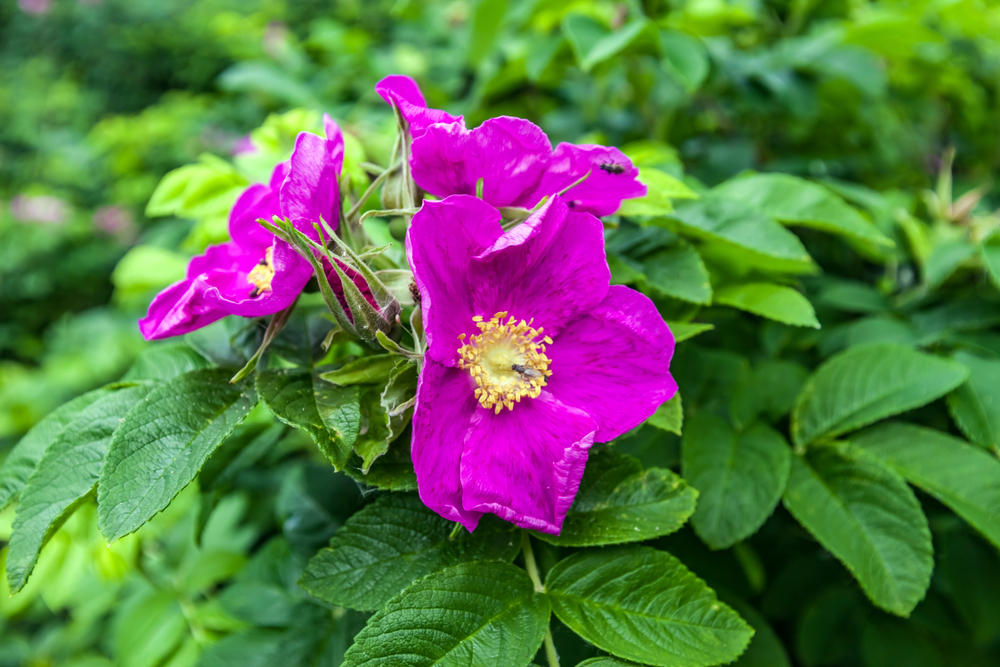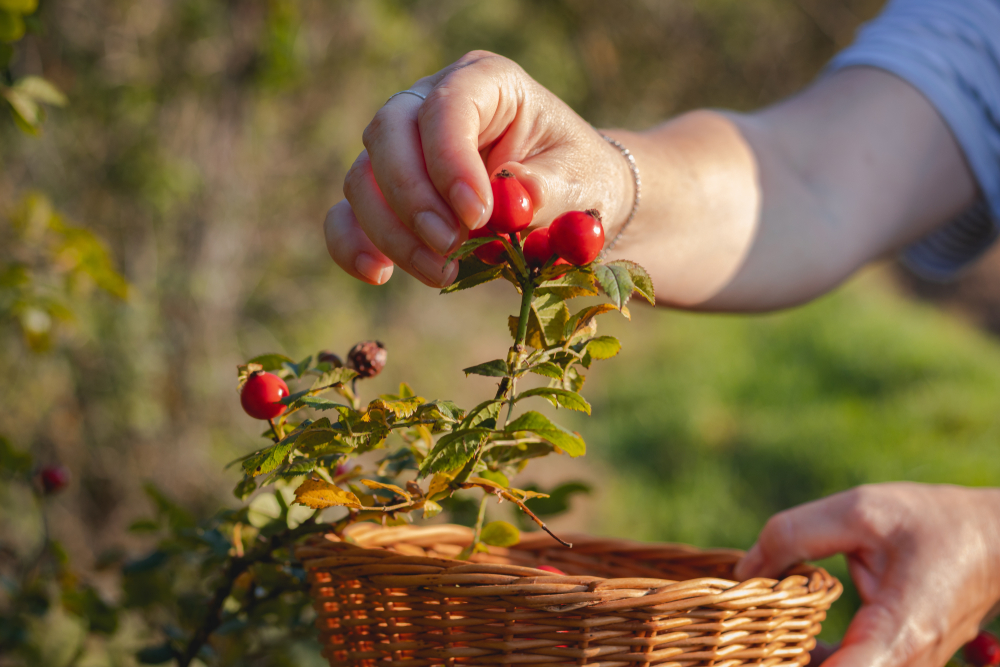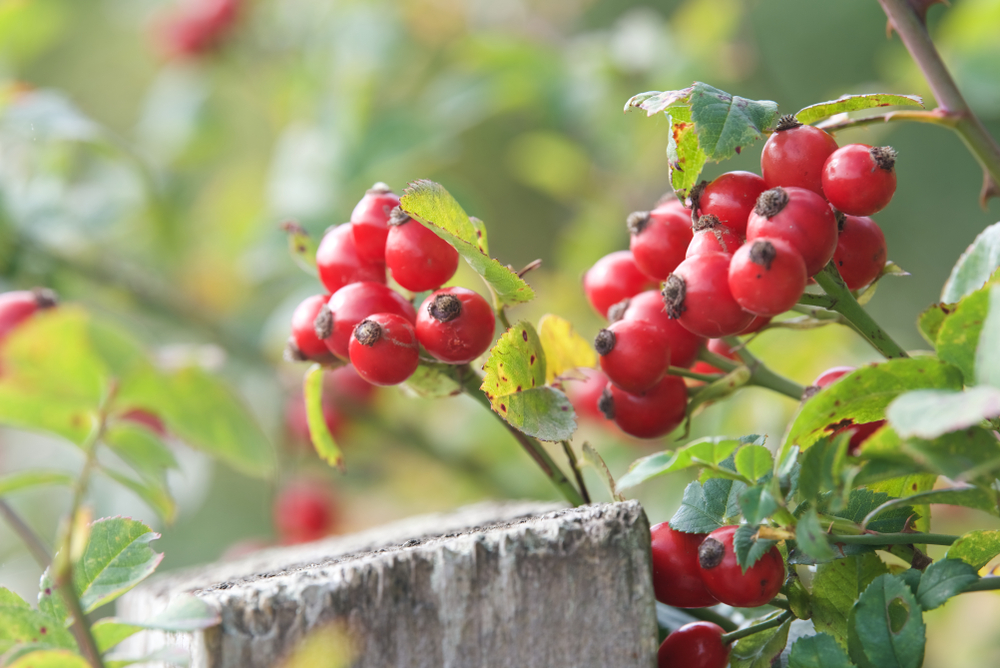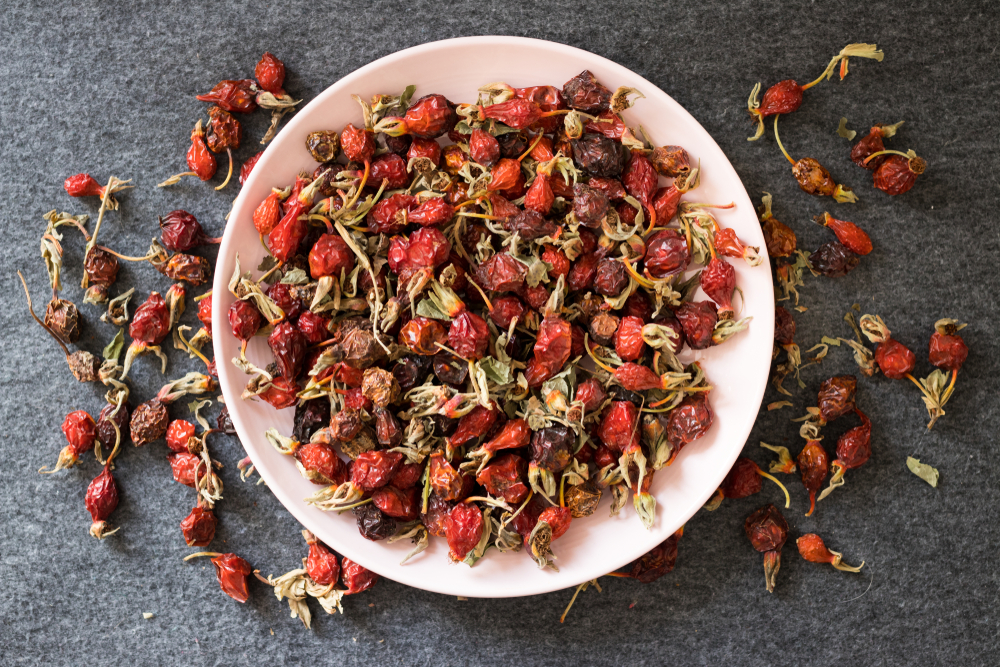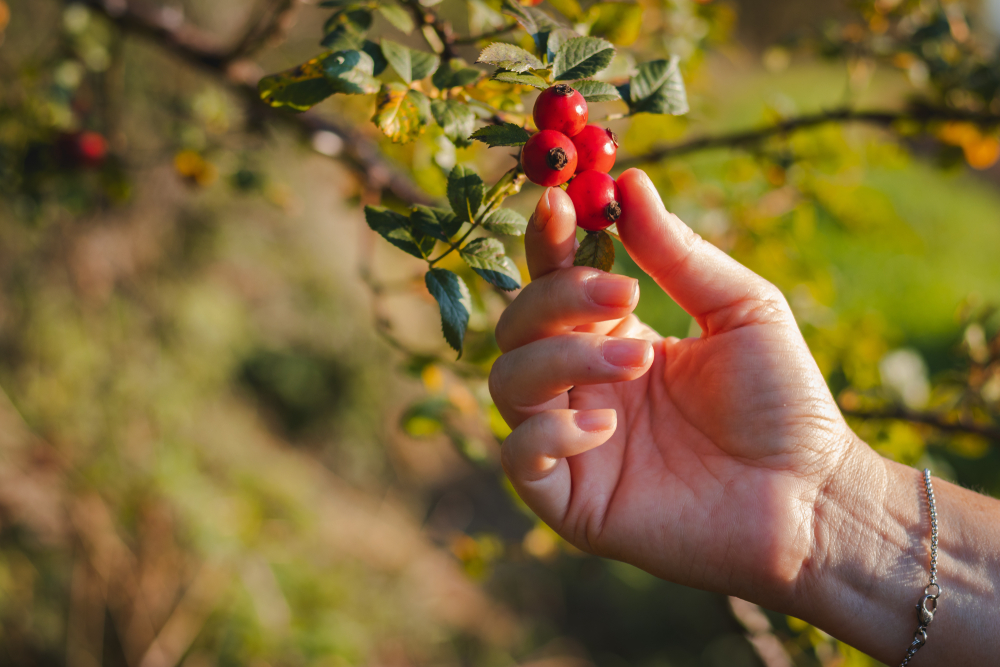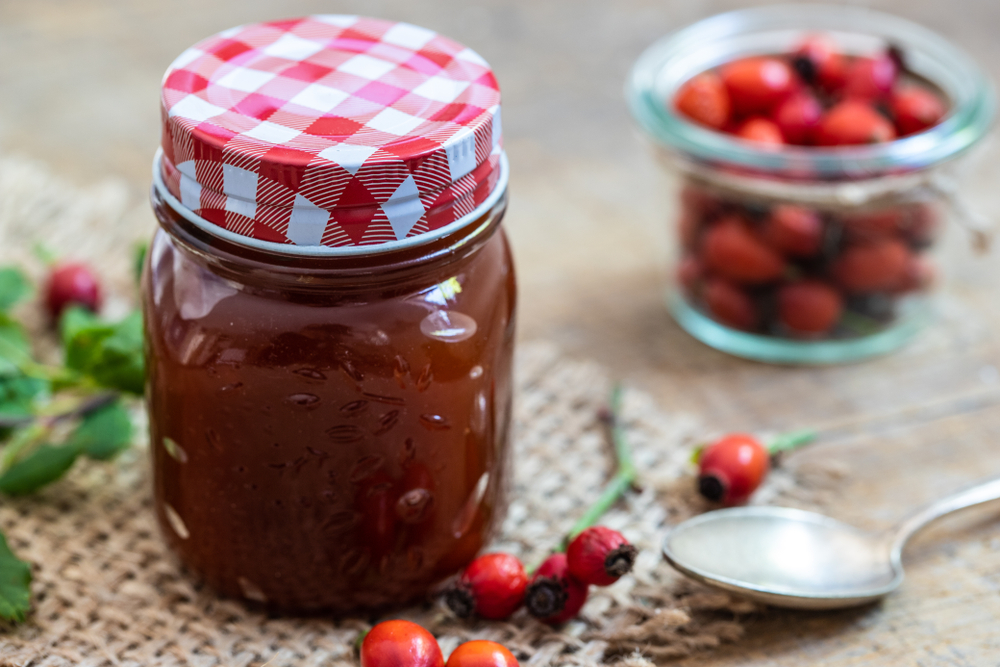
Rose hips are the fruit of every rose variety out there, and you can harvest them from fall all the way through winter. These healthy little powerhouses are non-toxic and super easy to spot once you know what you’re looking for.
What Does a Rose Hip Look Like?
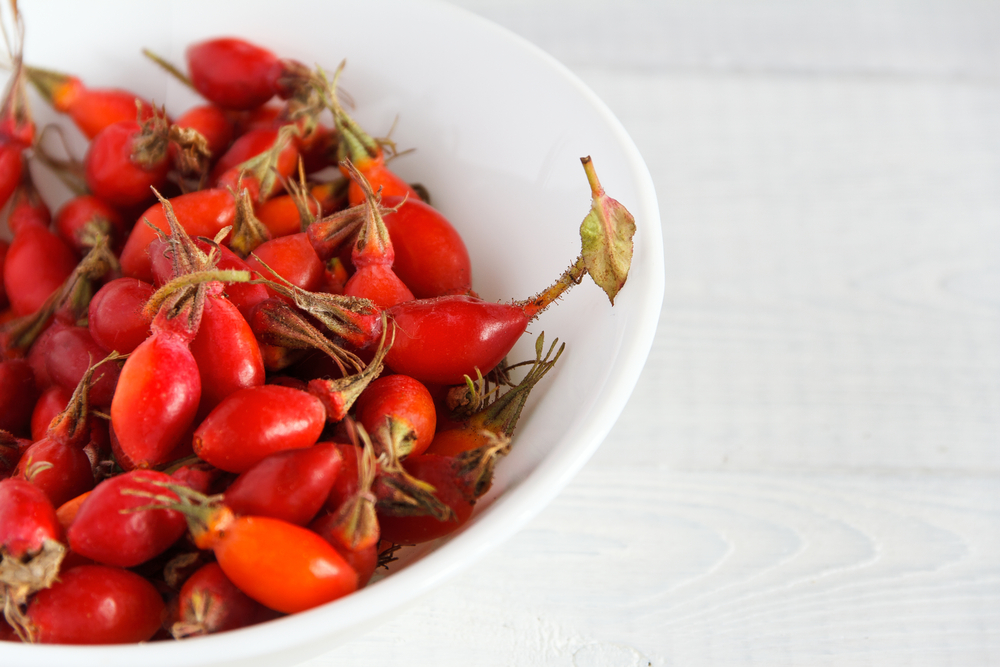
To be clear, a “rose hip” isn’t a specific plant—it’s the fruit produced by the *Rosa* genus (aka roses). You can easily identify them by these key features:
- The inside of the fruit is hairy.
- The outer shell (the hypanthium) encloses the seeds and pulp.
- Depending on the variety, they contain anywhere from 10 to 150 seeds.
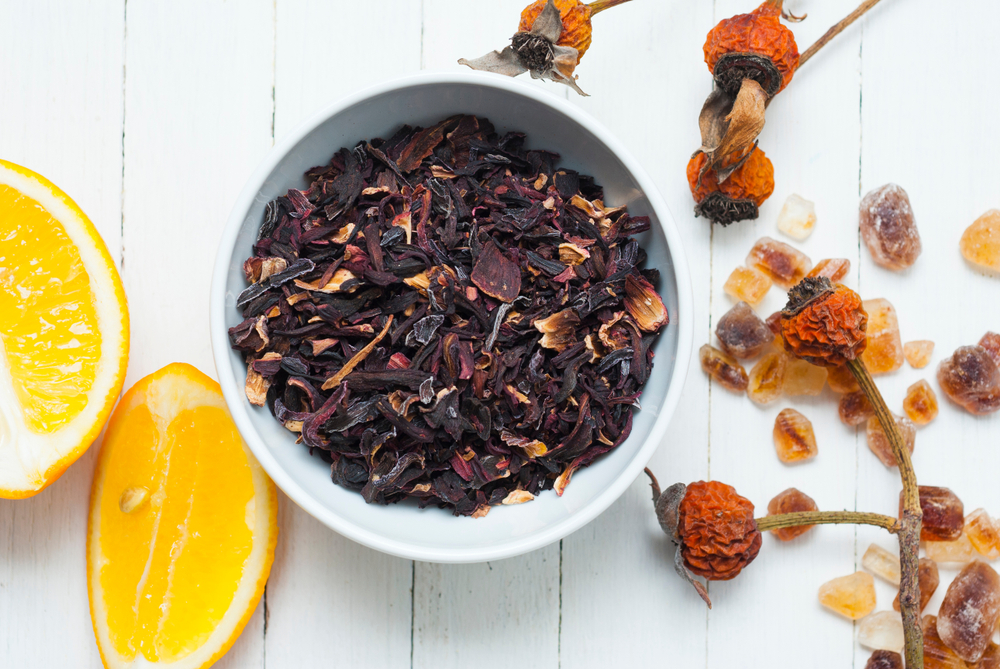
- Colors range from red and orange to brown or even black.
- Red rose hips are the ones most commonly used for food.
- They get softer as they ripen.
- They stay on the bush well into late winter.
- They are a favorite snack for local birds.
Rose Hips: Itchy Little Vitamin Bombs
Rose hips are famous for being absolutely packed with Vitamin C. We’re talking about 1,250 mg of Vitamin C per 100 grams of fruit—that’s roughly 15 to 20 mg in every single hip! They also contain small amounts of Vitamin E, B1, and B2, along with antioxidants and plenty of minerals. This is exactly why they’re such a popular addition to the kitchen. While some vitamins break down when heated, the antioxidants and minerals stick around, which is why rose hip tea is such a classic health booster.
One quick warning: the seeds inside are covered in tiny barbs. If they touch your skin, they hook on and itch like crazy! Kids often use the seeds from the classic hedge rose (Rosa corymbifera) as homemade itching powder. Just be careful, as some people can have an allergic reaction if they come into contact with the seeds.
How to Use Rose Hips
These “accessory fruits” are incredibly versatile, whether you’re cooking with them or using them as a home remedy. Once you’ve harvested them, you can eat the pulp raw or process them into all sorts of tasty treats:
- Jams and jellies
- Compotes
- Savory sauces for meat dishes
- Pastry fillings
- Liqueurs
- Soups
- Fruit wine
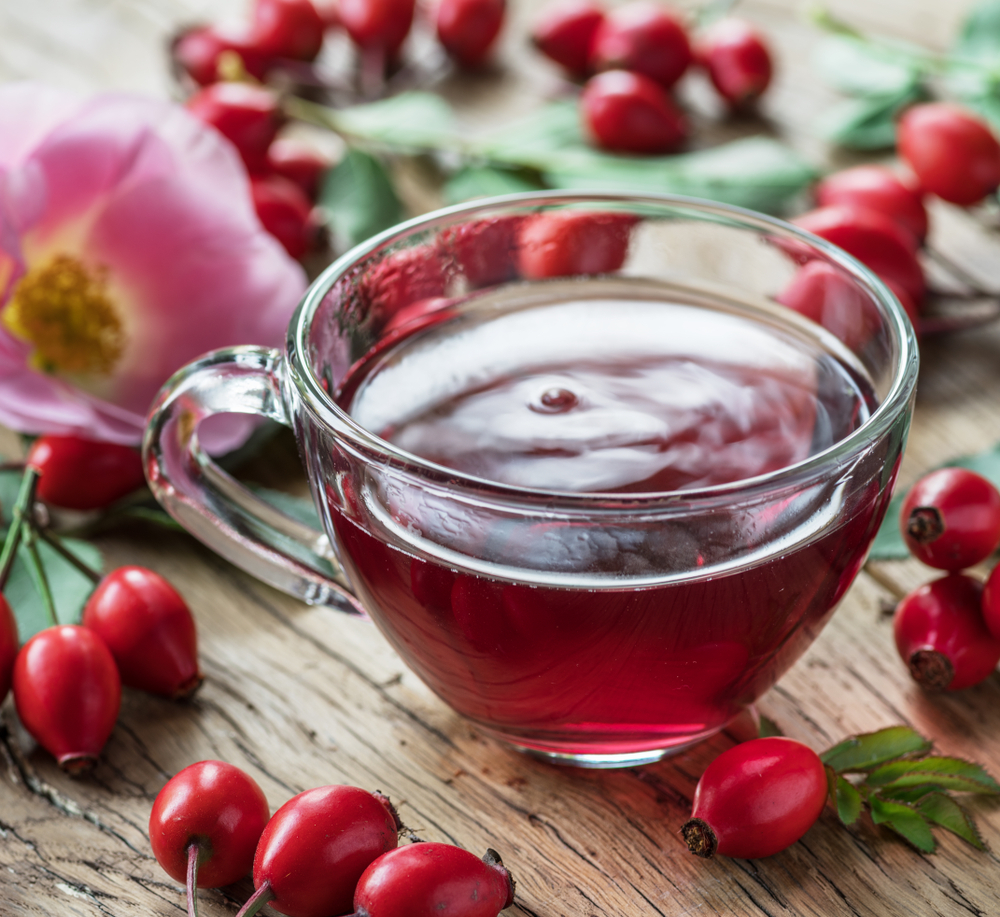
Of course, we can’t forget rose hip tea, made by steeping the whole fruit. Since the seeds stay contained, you don’t have to worry about the “itch factor” in your mug. Beyond the kitchen, rose hip infusions and oils are often used for bladder health or skincare. They really are nature’s little all-rounders!