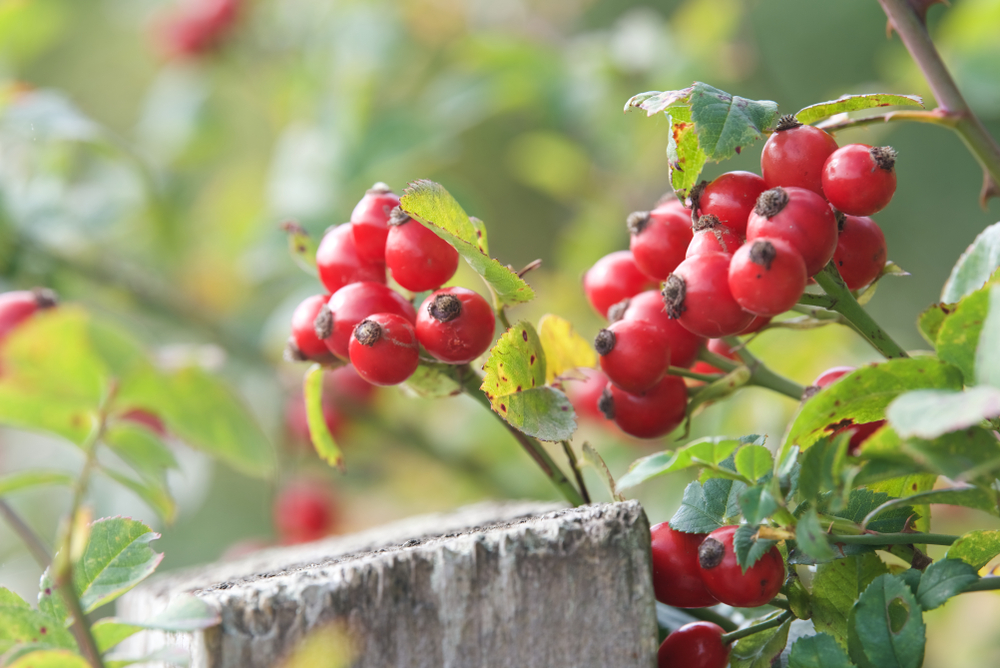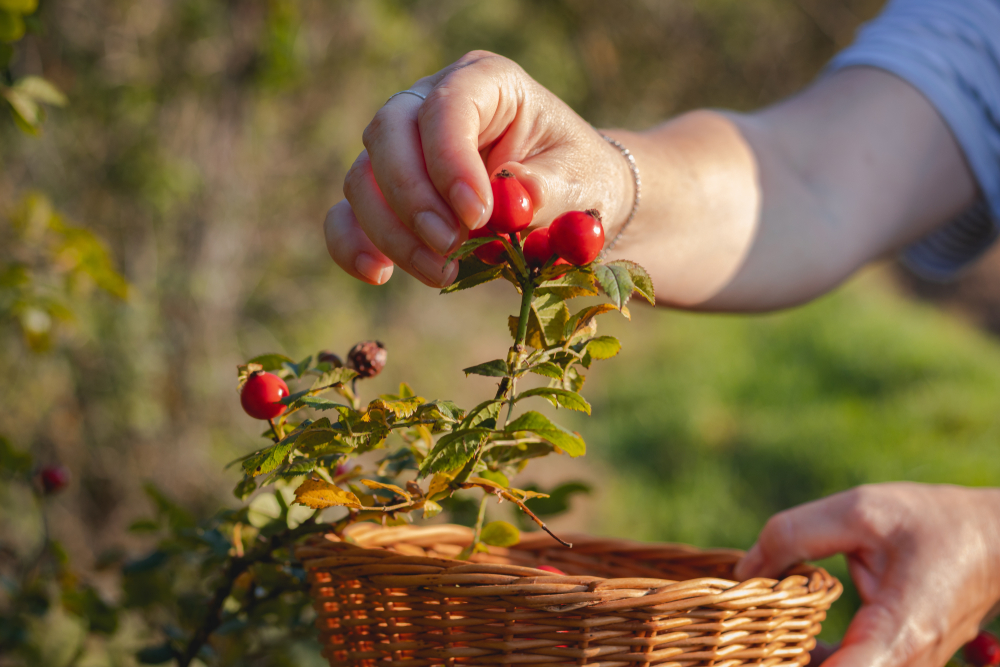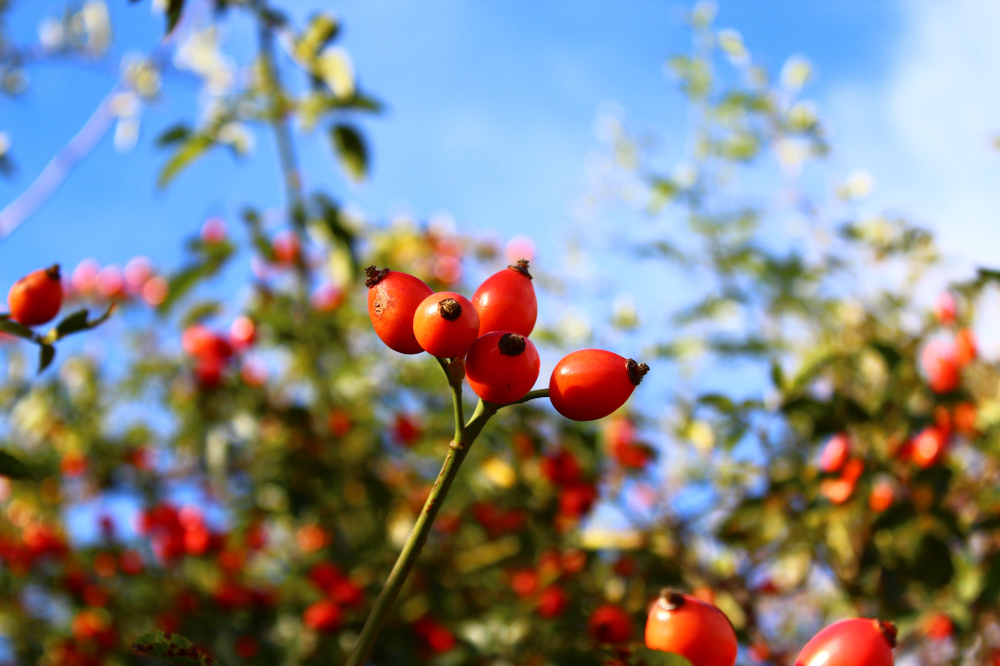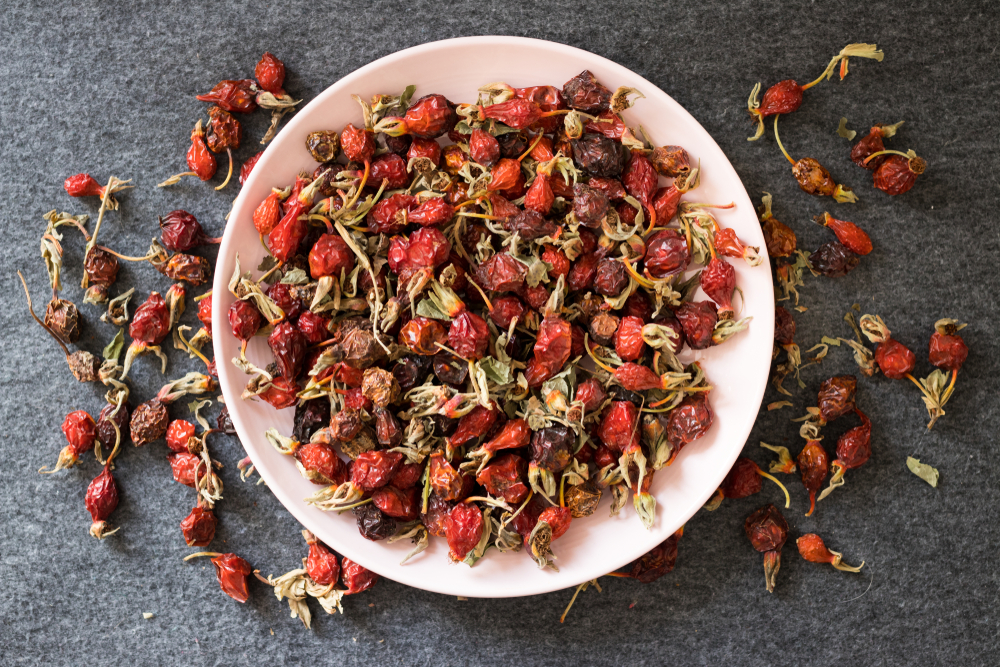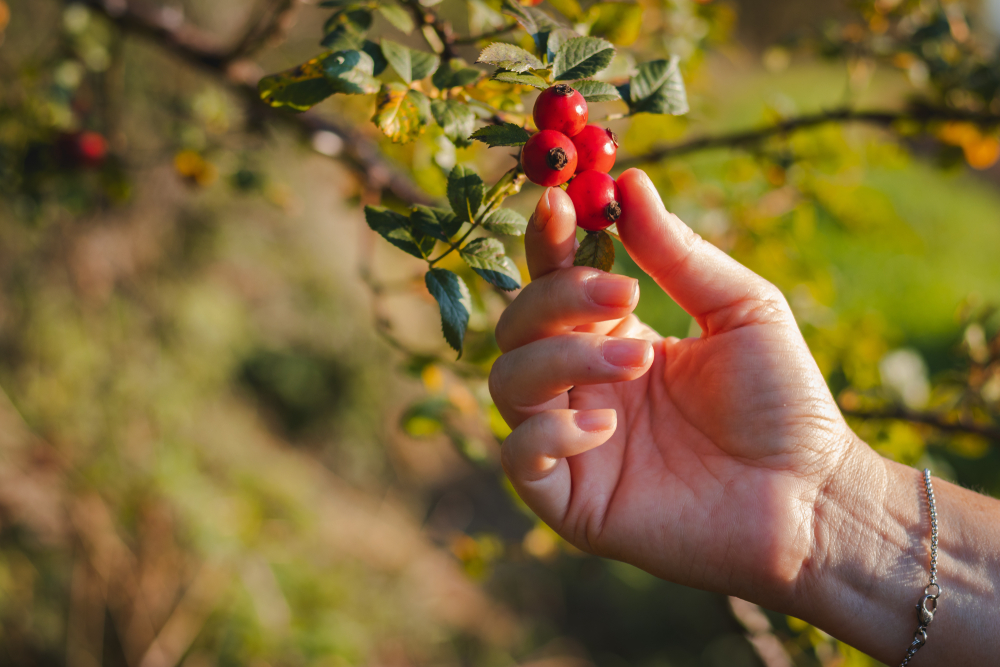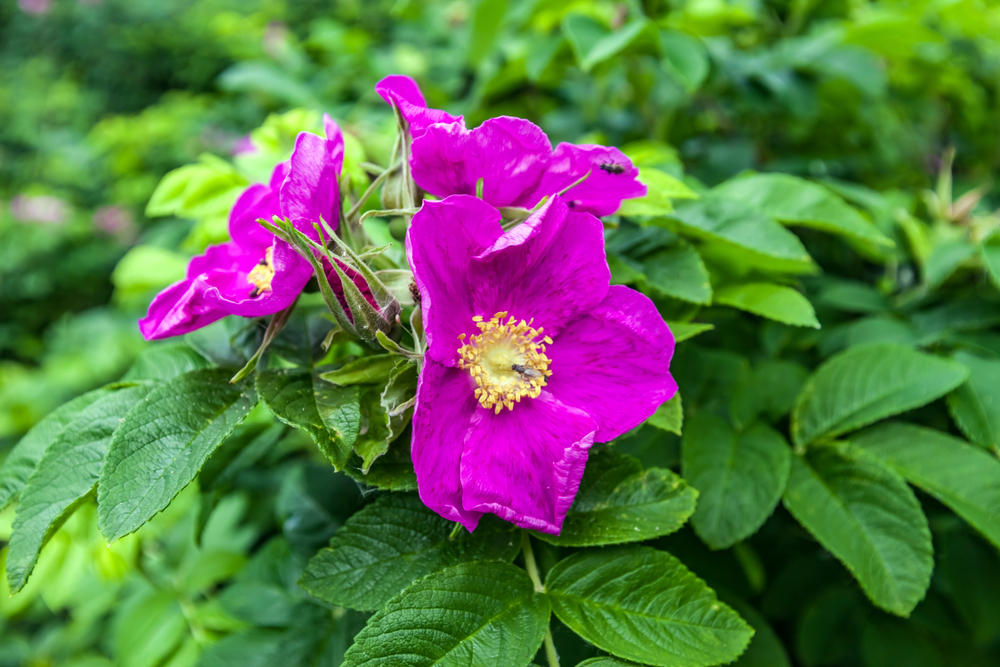
Rose hips aren’t just a favorite for home gardeners because of their tasty fruit. Since these plants are actually roses, they put on a gorgeous floral show at specific times of the year before those hips even appear.
When Do Rose Hips Bloom?
Just like any other fruiting plant, the flower is the starting point for those vitamin-rich, red rose hips we love. The exact timing depends on which species of rose you have in your yard. While technically all roses produce hips, here are the most common varieties known for having the best fruit for harvesting:
- Dog Rose (Rosa canina): June – July (blooms once per season)
- Sweet Briar (Rosa rubiginosa): Late May – Early July
- Rugosa Rose (Rosa rugosa): Mid-June – Mid-September
- Alpine Rose (Rosa pendulina): May – July
You might also run into the Corymb Rose (Rosa corymbifera). It blooms right around the same time as the Dog Rose, and the two are so similar they often get mistaken for one another.
What Do Rose Hip Flowers Look Like?
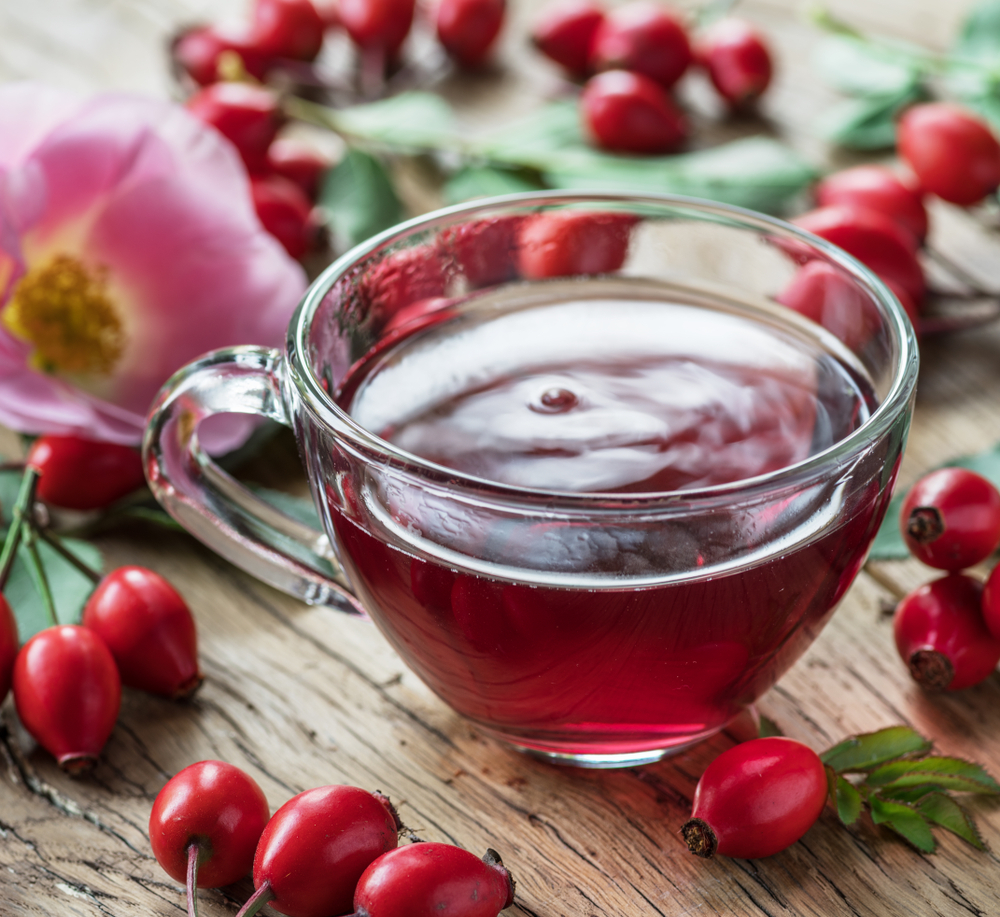
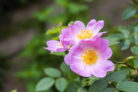
If you’re planning on growing rose hips, you’re in for a treat. The flowers grow either solo or in pretty clusters and typically feature five petals. You’ll usually see them in shades of deep rose, pale pink, or classic white—the same colors you’d spot if you were foraging in the wild. They generally measure between 1.5 to 2 inches across, so they really pop against the green foliage.
Another way to identify them is by looking at the center of the bloom. A rose hip flower will have anywhere from 20 to 100 stamens inside. You’ll also notice the style (the middle part of the flower) is smooth and hairless.
Pro Tip for More Blooms: Thinning Out
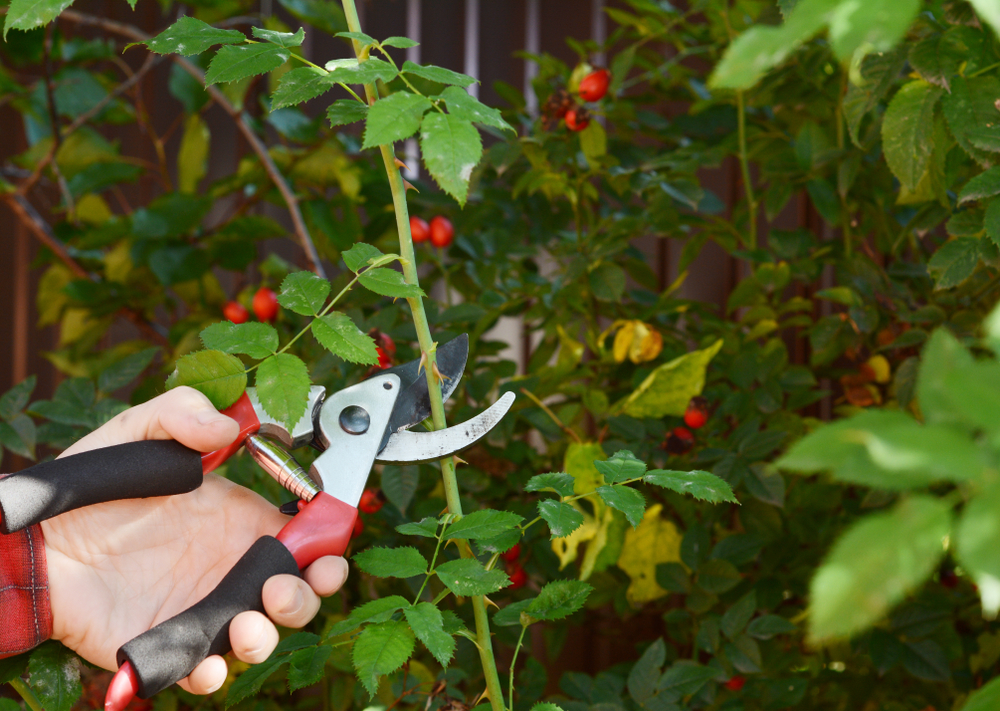
The roses listed above are incredibly hardy and don’t need much “babying” to produce flowers. However, you can give them a little boost by pruning them correctly to encourage blooms on two-year-old wood. If you get too aggressive with the shears, you’ll end up with fewer buds and, consequently, fewer flowers. Instead of a heavy chop, stick to “thinning out” the plant. Here’s how:
- Thin out the branches regularly from spring through fall.
- Remove any wilted, dead, or dried-out stems.
The golden rule here is to avoid cutting back the growth from the previous year. That old wood is where most of your flowers will grow! Always use a clean, sharp pair of pruning shears to ensure a clean cut and prevent any garden pests or diseases from hitching a ride into the plant.