When you think of roses and rose hips, do Dog Roses or Wild Roses come to mind? The line between these species is actually pretty thin, but knowing the difference is a game-changer if you’re planning on snacking on those vitamin-packed fruits.
A Tale of Two Hedge Roses
When people talk about the “Hedge Rose”—the plant we most often associate with rose hips—they’re usually talking about one of two species, depending on who you ask:
- Rosa corymbifera (often called the Corymbose Rose)
- Rosa canina (the classic Dog Rose)
Both of these beauties produce rose hips you can harvest, but they are definitely not created equal when it comes to flavor. So, why the confusing names? Over the centuries, the terminology has gotten a bit tangled because *Rosa canina* and *Rosa corymbifera* look incredibly similar and grow in the same neighborhoods across Europe. Because they’re so hard to tell apart at a glance, people just started calling them both “Hedge Roses.” However, there are a few distinct nicknames and traits that make telling them apart a whole lot easier.
If you’re heading out to forage, you really need to know which is which. While both produce fruits and flowers that we call rose hips, the taste test is where things get interesting.
The Wild Hedge Rose (Rosa corymbifera)
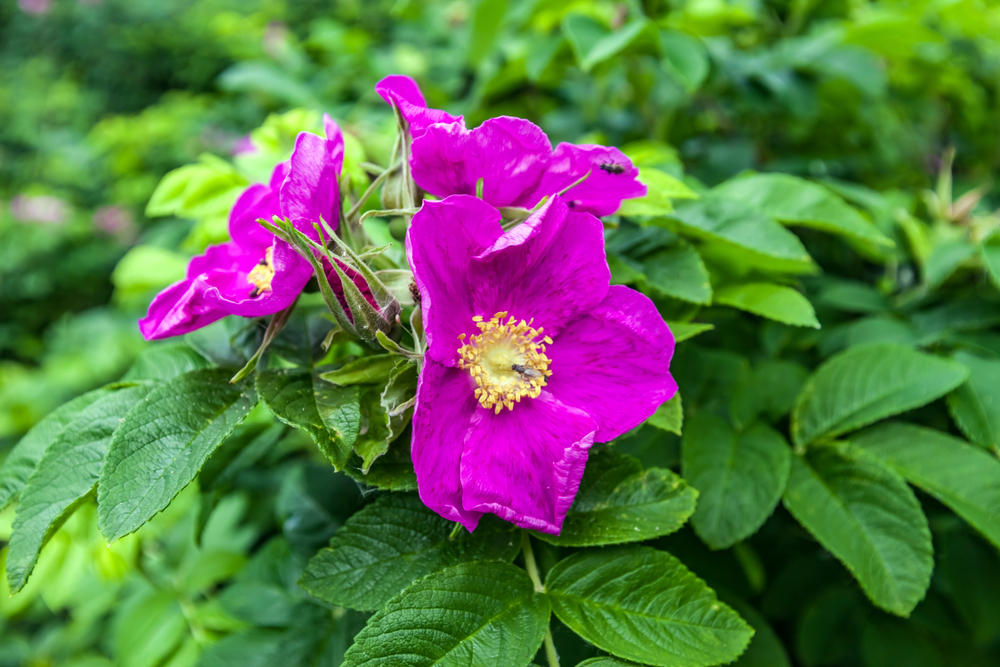
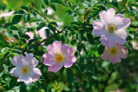
The *Rosa corymbifera*, often just called a Wild Rose or Bush Rose, produces yellow-orange rose hips that—to put it bluntly—taste pretty terrible. They are extremely sour and bitter. You’ll notice these plants have larger flowers than Dog Roses and almost no thorns, which makes them easier to handle but less common to find in the wild (they’re almost non-existent in mountainous areas). If you see these, feel free to leave the hips for the birds or plant them if you just want a pretty shrub in the garden. Just don’t expect a tasty snack!
The Dog Rose (Rosa canina)
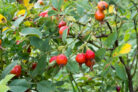
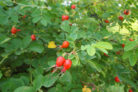
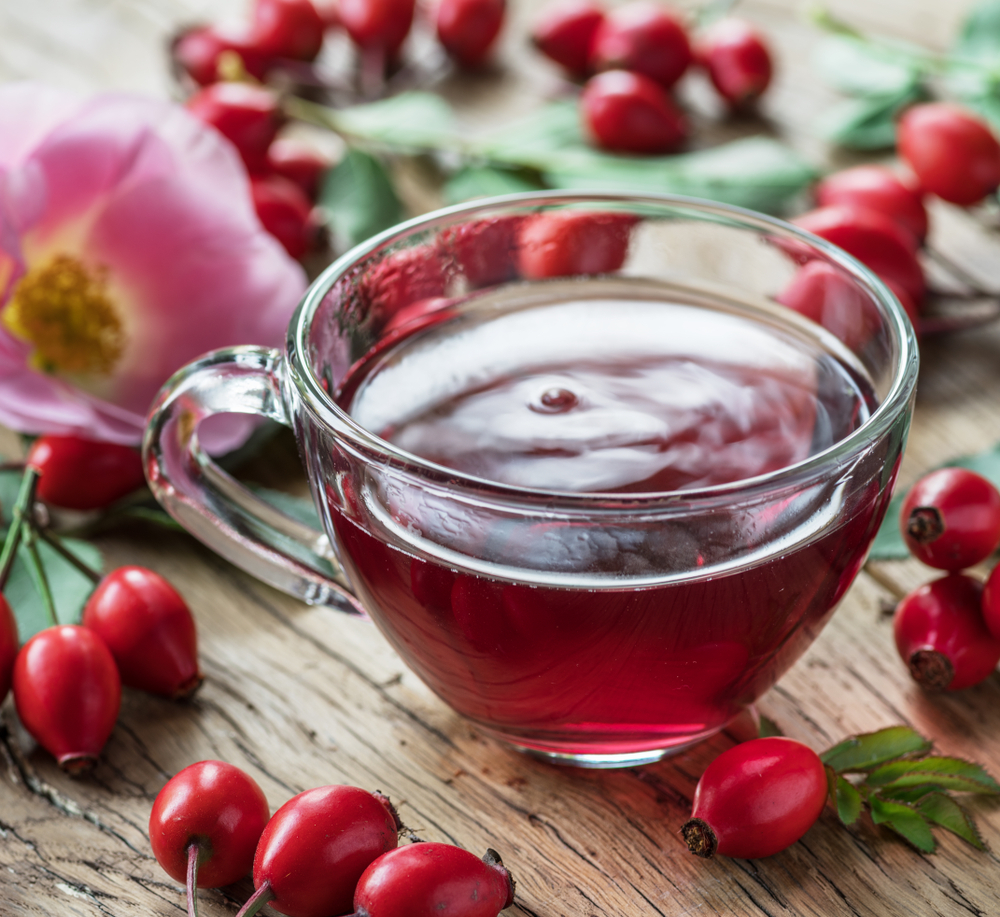
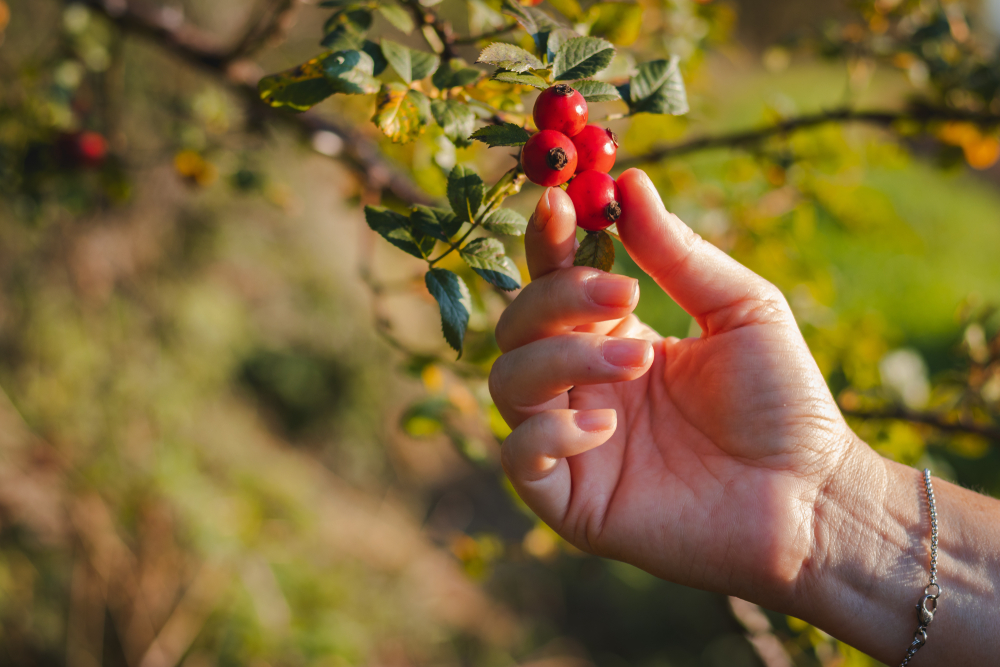
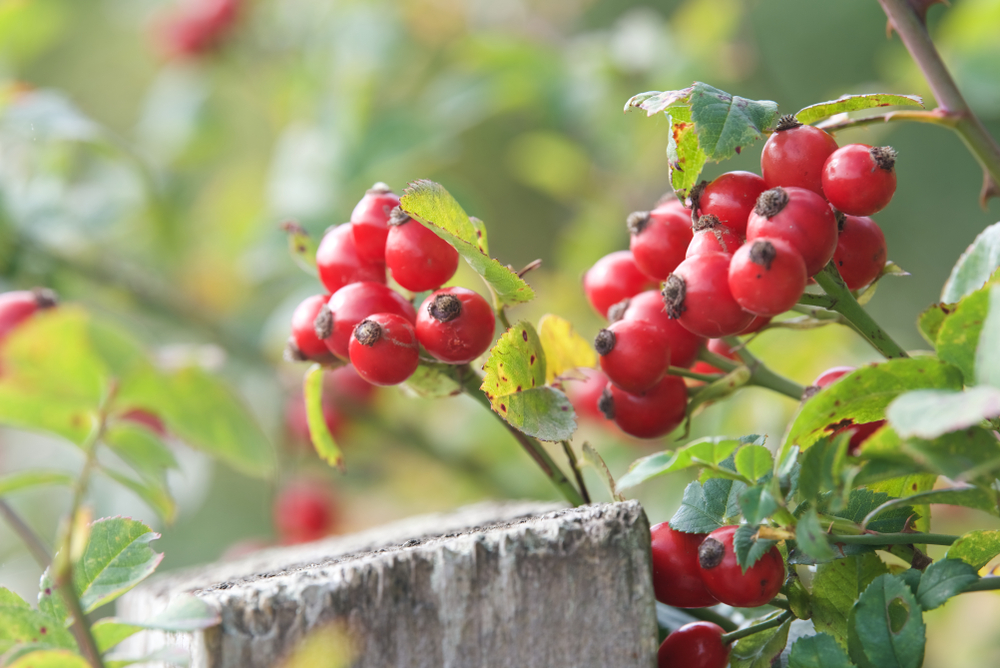
The *Rosa canina* is most commonly known as the Dog Rose. These are the “gold standard” for foragers. Dog Roses produce those iconic, bright red rose hips that are sweet, juicy, and perfect for jams or teas. This is the most common wild rose you’ll find across Central Europe. You can spot them by the thorns that cover the plant from top to bottom. They grow in thick, tangled nets of branches—which is exactly how they earned the name “Hedge Rose” in the first place. If you’re looking for delicious rose hips to eat, the Dog Rose is the one you want to find on your next nature walk.