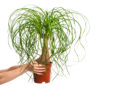
Even though the Madagascar Palm isn’t actually a true palm tree, it really does hail from the sunny shores of Madagascar. Because of its tropical roots, it can only grow as a container plant in our climate, which means you’ll need to give it a new home every now and then.
How often should you repot?
Madagascar Palms are pretty hungry plants and need plenty of nutrients to keep growing strong. Even if you’re diligent about fertilizing, the soil eventually gets “tired,” so you’ll need to swap out the substrate periodically. Generally, you should aim to repot your plant about every two years. The best time for this “big move” is during the spring, right after the plant finishes its winter dormancy.
Choosing the right pot
In the wild, these plants have to reach deep into the ground to find moisture. Because of this, their root systems tend to grow long rather than wide. When picking out a new container, look for a pot that is tall rather than broad. It’s also super important to make sure there’s a drainage hole at the bottom. Without one, even a little bit of overwatering can lead to standing water, which causes root rot. Once the roots go, the stem usually follows, and you could lose the whole plant. To keep things airy, make sure your soil drains well. These mixes work great:
- Cactus or succulent potting mix
- A DIY blend of potting soil, sand, gravel, and coconut coir
Step-by-step guide
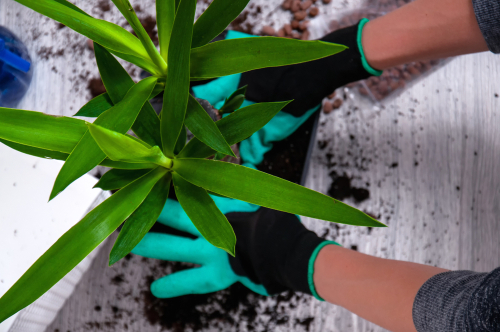
When you’re ready to repot, here’s what you need to do:
- Gently ease the Madagascar Palm out of its old pot.
- Use a soft stream of water to rinse away the old soil from the roots.
- Trim away any damaged or mushy parts of the root system.
- Fill your new, larger pot with fresh substrate.
- Set your plant in and fill in the gaps.
- Give the soil a light watering to help it settle.
One quick pro-tip: Madagascar Palms are toxic and have those signature sharp spines on the trunk. To keep your hands safe, I recommend wrapping the trunk in some thick plastic wrap or bubble wrap before you start so you can get a good grip without the sting!