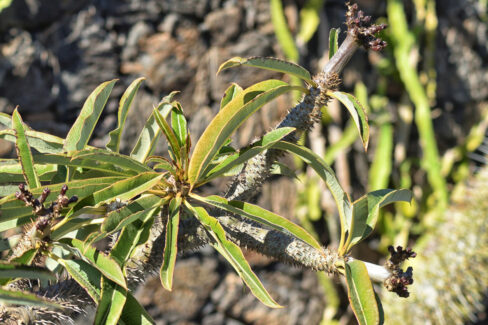
The Madagascar Palm is not only incredibly easy to care for, but it’s also a real tough cookie. Because of that, you won’t run into plant diseases very often. However, this succulent does have two main enemies: soggy soil and a few specific pests.
What to do if your Madagascar Palm is dropping leaves
Even though the Madagascar Palm isn’t actually a “palm” in the biological sense, it really does hail from Madagascar. While many exotic plants from that part of the world stay green year-round, this one naturally sheds its leaves at the end of its growing season. So, if you notice some leaf loss, don’t panic! It’s not necessarily a sign that your plant is unhappy—it might just be taking its seasonal nap.
Avoiding root rot
As a succulent, the Madagascar Palm is a pro at storing water in its trunk. This means it doesn’t need to drink much from the soil. If the soil stays wet and chilly, the roots are prone to rotting. If left unchecked, that rot can climb up into the stem and put the whole plant at risk. When you’re potting your palm, make sure to use a very well-draining soil mix to prevent standing water. And remember: be stingy with the watering can! This is especially important when you’re overwintering your plant.
Dealing with scale insects
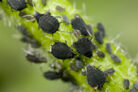
When it comes to pests, scale insects are the usual suspects. You’ll first notice an infestation by a sticky residue (called honeydew) on the leaves. If it gets worse, the leaves will start to look wilted and may even turn black. If you spot these little hitchhikers, here’s your game plan:
- Use a soft cloth to wipe the scale insects right off.
- If the plant is small enough, you can give it a gentle rinse in the shower to knock them loose.
- Let the leaves dry completely.
- Follow up with a commercial insecticidal spray to make sure they don’t come back.