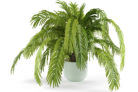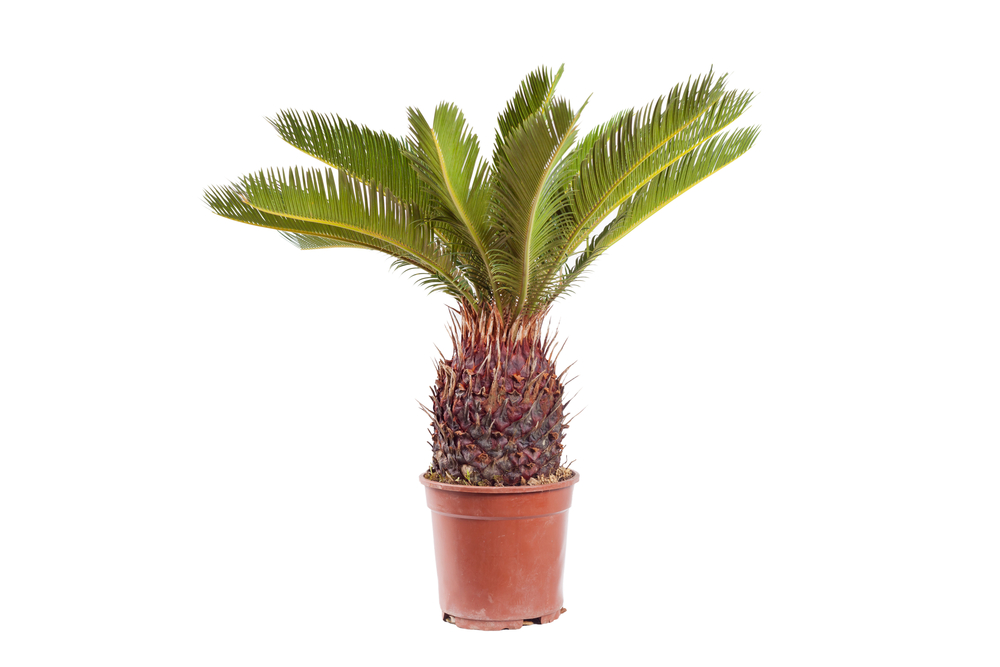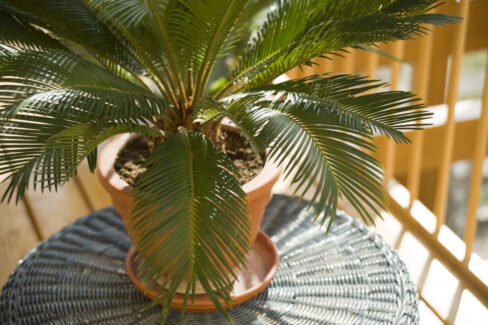
The Sago Palm is a tropical native through and through. Because of those island roots, it won’t survive a winter outdoors in most parts of the U.S. and is much happier living its best life as a container plant. But since it’s growing in a pot, there comes a time when your leafy friend is going to need some extra elbow room. When that moving day finally arrives, there are a few tips you’ll want to keep in mind to make the transition smooth.
When your Sago Palm outgrows its home
The big question is: how do you know when it’s actually time to repot? A good rule of thumb is to look at the trunk. If the base of the plant is covering about two-thirds of the soil’s surface, it’s officially time for an upgrade. If you leave it in a cramped pot for too long, the nutrients will run out fast, and you’ll start seeing those dreaded yellow leaves. Generally speaking, younger palms need a new pot every three to four years, while older, more established plants can usually hang out in the same spot for about six years.
Timing is everything
You’ll want to plan your repotting project for the early spring—February or March is usually the sweet spot. As the weather warms up and the days get sunnier, the plant hits a growth spurt. By moving it just before this happens, your Sago Palm will be settled into its new home right when it’s ready to start pushing out new fronds.
Step-by-step: How to repot
Ready to get your hands dirty? Here’s how to do it right:
- Pick out a new pot that’s just a bit larger than the old one (don’t go too big!) and fill the bottom third with high-quality potting soil.
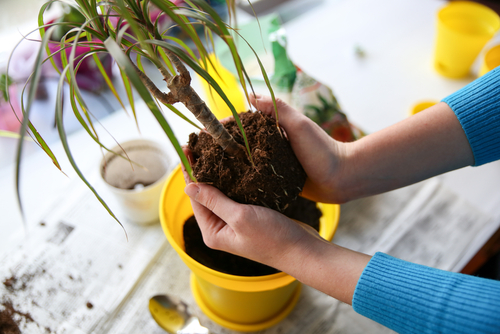
- Gently lift the Sago Palm out of its current container, keeping the root ball intact as much as possible.
- Shake off the old, tired soil and trim away any dead or mushy roots.
- Place the palm in its new home and fill in the gaps with fresh soil until the roots are well-covered.
- Give it a nice, long drink of water to help it settle in.
To keep your palm from getting “wet feet” (root rot), make sure the pot has great drainage. I recommend adding a layer of gravel at the bottom or mixing a little sand into your potting soil to help the water flow through.