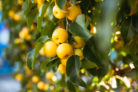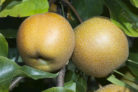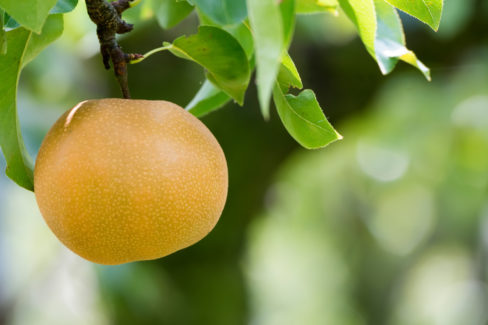
The Nashi pear is still a bit of a hidden gem in many home gardens. With its round shape and crisp texture, it looks and tastes like a delicious cross between an apple and a pear—which is exactly why you’ll often hear people call it the “apple pear.” One of the best things about Nashis? Once they’re ripe, they have a great shelf life and are incredibly versatile in the kitchen.
When to Harvest Your Nashi Pears
The timing for your harvest depends on a few things, like your local climate and how well the tree is cared for, but the specific variety is the biggest factor. Some early birds are ready to pick as soon as August, while other varieties will keep you waiting until well into September.
Only Pick When Ripe
Here’s a pro tip: make sure you only harvest fully ripe fruit. Unlike some other fruits, Nashi pears won’t continue to ripen once you pull them off the branch. If you pick them too early, they’ll stay hard and sour, and you might end up having to toss them.
How to Spot a Ripe Nashi
Telling if a Nashi is ready depends on the variety you’re growing. Depending on the type, the skin will usually turn a bright yellow or a warm, rusty bronze. Give the fruit a very gentle squeeze with your thumb; if the flesh gives just a little bit, it’s go-time!
What to Do With Your Harvest
Once picked, these “apple pears” can stay fresh for several weeks if stored properly. While they are amazing to snack on raw, they also shine in jams, jellies, juices, and even homemade liqueurs.
Troubleshooting: Why Isn’t My Tree Fruiting?
If your Nashi tree is looking healthy but isn’t producing fruit, there are usually a few common culprits:
- The blossoms weren’t pollinated.
- The fruit clusters are too crowded.
- The tree hasn’t been pruned lately.
- A late frost hit right while the tree was blooming.
Pollination is Key
For a Nashi tree to produce fruit, those blossoms need to be fertilized. While a few varieties are self-fertile, most need a little help from the wind or local bees. To boost your chances of a big harvest, plant your Nashi near a traditional pear tree or group a few Nashi trees together.
Thinning Out the Fruit
It might feel counterintuitive, but you actually need to thin out the fruit clusters. By removing excess small fruits, you ensure the tree directs all its energy into making the remaining pears big, juicy, and sweet.
Keep Up With Pruning
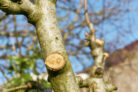
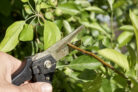
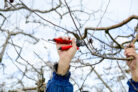
To keep your tree happy, you’ll need to prune it regularly. Cutting back old wood encourages fresh new growth and prevents the tree from becoming thin and bare in the center.