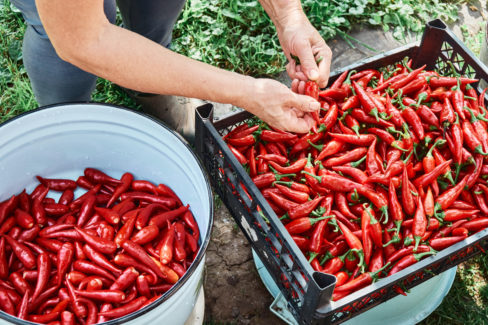
When it comes to harvesting your homegrown peppers, timing is everything. The stage at which you pick them determines exactly how flavorful—and how spicy—they’ll be. Interestingly, “fully ripe” isn’t always the gold standard for every variety; some peppers actually hit their flavor peak a little earlier in the game.
Finding the Sweet Spot for Ripeness
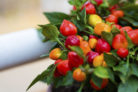
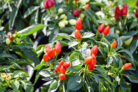
Most peppers start out green and eventually transition to red, though you’ll find plenty of varieties that ripen into vibrant yellows, oranges, or even deep purples. There’s a whole spectrum of ripeness between that initial green phase and the final color change, and many types are perfectly ready to enjoy at various stages.
The flavor profile shifts as the fruit matures. Generally, each variety comes with a recommendation for when to harvest, but don’t feel like you *have* to wait for the final color change. Some peppers are actually best when harvested green because they can lose their “bite” or become a bit bland if they stay on the vine too long. On the flip side, other varieties need to reach full maturity to develop their signature aroma and a hint of sweetness.
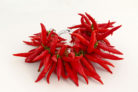
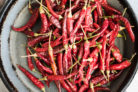
One quick tip: If you’re planning on drying your peppers, you should always wait until they are fully ripe. If drying is your goal, make sure to choose varieties known for having great flavor at their final stage of maturity.
How to Harvest Your Peppers
Peppers aren’t like tomatoes—they don’t really continue to ripen once they’re off the plant. This means you should only pick them when they’ve reached the exact flavor profile you’re looking for. While you can harvest in any weather, a few days of solid sunshine can really boost the flavor of certain varieties. Many seasoned gardeners also swear by “stressing” the plants—cutting back significantly on water a week or two before harvest—to concentrate the sugars and heat for a more intense flavor.
Always look for unblemished fruit. If a pepper has holes or damage, it might taste a bit “off.” This happens because the plant funnels specific resources into trying to repair the wound. If you still want to use a damaged pepper, just be sure to cut away the affected area generously and double-check the inside for any tiny hitchhikers (insects) that might have crawled in.
When you’re ready to pick, use a sharp pair of garden shears or scissors. Don’t just pull them off, or you might damage the plant! Leave a good portion of the stem attached; it looks better, and if you plan to string your peppers up to dry, you’ll need that stem to tie them together. Just be careful not to squeeze the fruit too hard during the process, as bruising can lead to rot.
Putting Your Harvest to Use
Much like standard bell peppers, hot peppers can stay fresh for a while if stored correctly. Try to keep them in a spot that isn’t too dry, or they’ll start to shrivel up. Of course, intentional drying is a fantastic way to preserve your harvest for the long haul.
Another fan-favorite method is pickling them in a sweet and sour brine of vinegar and sugar. They’ll last almost indefinitely this way and make a killer topping for sandwiches or pizzas. As for freezing? It’s a bit of a toss-up. Because peppers are so small, the prep work can be tedious, and it really only works well for thick-walled varieties.