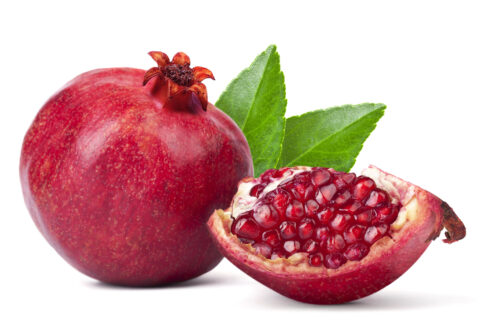
Many fruits have that magical ability to ripen right on your kitchen counter, getting sweeter and tastier by the day. Unfortunately, pomegranates aren’t one of them! If you pick them just a few days too early, they might manage to soften up a bit using their remaining energy, but a totally unripe pomegranate will stay sour and inedible no matter how long you let it sit.
Season Starts in September
Even though pomegranates are grown in warm climates all over the world today, they originally hail from Western and Central Asia. Because of those roots, they actually follow a similar schedule to apples—the pomegranate season kicks off in the fall and runs right through the winter.
If you see pomegranates in the grocery store outside of this window, they’re usually being shipped in from South America or South Africa. Because of the long journey, these fruits are often picked way too early, which means they never quite develop that amazing, full-bodied flavor we love.
Don’t Expect Post-Harvest Ripening
In the gardening world, we call pomegranates “non-climacteric” fruits. This is just a fancy way of saying they don’t produce much ethylene gas or CO2 after being picked, which is what triggers ripening in things like bananas or tomatoes. For a pomegranate to taste good, it needs to be “eating-ripe” the moment it leaves the tree. Ideally, you want them at peak ripeness.
The silver lining? Since they don’t continue to ripen (and therefore don’t rot as quickly), they have a fantastic shelf life. This allows them to be harvested at the perfect time and still survive the trip to your local market. Plus, that thick, leathery skin acts like a natural armor, protecting the juicy seeds inside during transport.
If you want to store pomegranates at home, find a spot with moderate humidity. They love temperatures around 50°F (10°C). I recommend placing them on a soft surface—like a cardboard box or a bed of crumpled newspaper—to prevent bruising. Stored like this, your harvest can stay fresh for one to two months!
How to Spot a Ripe Pomegranate
If you’ve tried your hand at planting a pomegranate tree in a pot, you’ll need to know exactly when to harvest.
Here’s what to look for in a ripe fruit:
- The skin looks a bit patchy or mottled.
- The texture is slightly cracked or rough, not smooth and shiny.
- It makes a metallic “tink” sound when you tap it.
Don’t be scared off by a few brown spots on the skin; that’s often a sign of sweetness! Just make sure those spots aren’t soft or mushy. When you give the fruit a gentle squeeze, the skin should have a little give, but it shouldn’t leave a permanent dent.