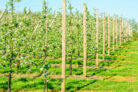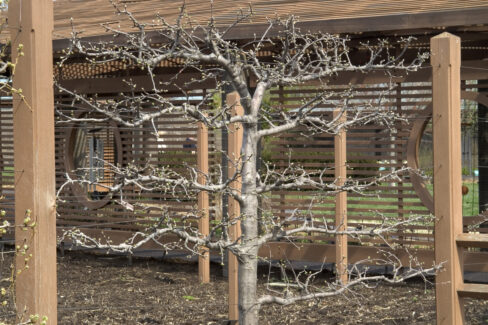
Small gardens—whether they’re part of a community plot or right in your own backyard—are more popular than ever. But let’s be real: in big cities, space is tight and neighbors are often closer than we’d like. If you’re looking for a bit of privacy but aren’t a fan of those heavy wooden fences, I’ve got a great alternative for you.
The Perks of Espalier Fruit Trees
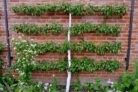
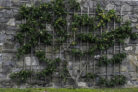
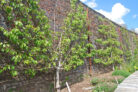
Ever heard of “espalier”? It’s a fancy word for training fruit trees to grow flat against a frame, with branches stretching out at 90-degree angles. This method is a total game-changer for small spaces. Not only does it save a ton of room, but with a little TLC, these trees can produce a massive harvest. Depending on the rootstock, they can reach heights of up to 11 feet. Just keep in mind that they’ll always need a sturdy trellis for support.
Choosing the Right Trees
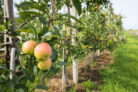
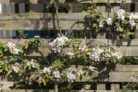
You can usually find pre-trained espalier trees at your local nursery or garden center. I highly recommend chatting with the pros there—they can give you the best advice on soil and sun exposure for your specific area. For a living privacy screen, apple and pear trees are fantastic choices. Just a quick tip: make sure to plant a few different varieties to help with cross-pollination!
When to Get Digging
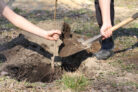
If you’re ready to plant your edible privacy wall, aim for frost-free days between October and March. Personally, I’m a big fan of fall planting. It gives the roots plenty of time to settle in before spring, which leads to a much stronger, healthier tree.
Setting Up Your Support System
Since these trees are trained to grow flat, a trellis or support frame is a must. You can use rubber ties to secure the branches to the frame—just wrap them around a few times, but make sure they aren’t too tight so the tree can still breathe. The goal is to keep those branches growing horizontally. When you plant, clear a “tree circle” about 3 feet wide around the base and keep it free of grass and weeds so the tree doesn’t have to compete for nutrients.
Don’t Let Them Go Thirsty
Fruit trees can get stressed pretty quickly in the summer heat. If they don’t get enough water, your fruit won’t develop properly. When you water, make sure it’s a deep soak—you want the moisture to really get down into the soil rather than just sitting on the surface and evaporating. Pro tip: water in the late evening to give the tree the best chance to drink up!