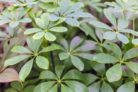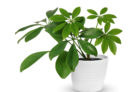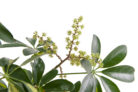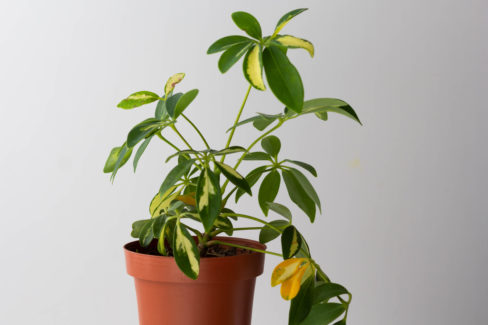
The tropical Schefflera—often called the Umbrella Tree because of those cool, radiating leaves—has become a total staple in offices and living rooms everywhere. It’s easy to see why: it looks gorgeous and is generally pretty chill when it comes to maintenance.
What kind of pests should I look out for on my Schefflera?
The first red flag is usually finding fine webbing or cottony fluff on the leaves. Those are classic signs of spider mites or mealybugs. You might also run into thrips (tiny winged insects) or scale insects clinging to the stems and foliage.
Why is my Schefflera getting pests in the first place?
Pests usually don’t just show up for no reason. If your Umbrella Tree is struggling with bugs, it’s often a sign of a “care fail” or a less-than-ideal spot in your home. When a plant is stressed, its immune system weakens, making it a sitting duck for diseases and pests.
Common culprits include too much or too little sunlight, as well as improper watering. Many of these critters love warm, dry air, which is why they tend to crash the party during the winter when the heater is running full blast.
How can I get rid of pests on my Schefflera?
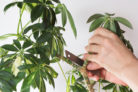
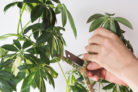
If you catch the problem early, your first move should be manual removal—just pick them off! However, if you’re dealing with a bigger crowd, give your plant a shower with lukewarm water. Use a steady stream to blast the bugs away, but be careful not to be so rough that you snap the stems. If certain leaves are so badly infested that they’re turning brown, it’s best to just prune them off.
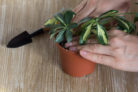
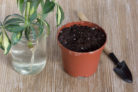
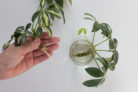
For a heavy or stubborn infestation, it’s often a smart move to repot your Schefflera. Make sure to shake off as much of the old soil as possible and check the roots for any hidden eggs or larvae.
The Quick Rundown:
- Common pests: Aphids, scale, spider mites, thrips, and mealybugs.
- Warning signs: Discolored leaves, leaf drop, or stunted growth.
- Possible causes: Bad placement, air that’s too warm or dry, or a weakened plant.
- Solutions: Rinsing the plant, moving it to a better spot, repotting, using gentle pest controls (like neem oil or herbal teas), and fixing your watering routine.
Pro Tip: For a gentle, eco-friendly approach, neem oil or homemade nettle and tansy rinses work wonders!