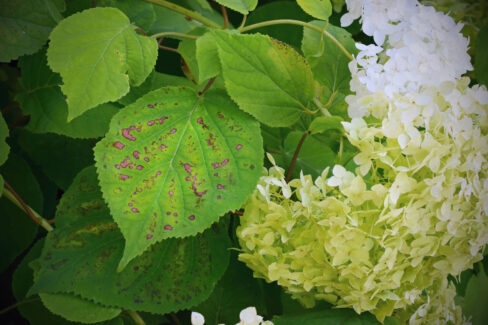
Hydrangeas are generally pretty tough plants, but every now and then, a few uninvited guests might try to crash the party. If you notice your Hydrangea looking a little under the weather, it might be dealing with a pest problem. The good news? You usually don’t need harsh chemicals to get things back on track. Here’s how to spot the culprits and show them the exit.
Dealing with Aphids and Scale Insects
Hydrangeas can sometimes attract aphids or woolly scale insects. These tiny pests are basically sap-suckers—they drain the plant’s energy to feed themselves. To make matters worse, some of them secrete substances that can actually stunt your hydrangea’s growth. If you don’t step in, you’ll start seeing wilting leaves, and over time, the whole plant could really suffer.
If you catch the problem early, a strong blast of water from the garden hose is often enough to knock them off. You can also just wipe the leaves down by hand. For a more serious infestation, go ahead and prune off the worst-affected leaves and toss them in the trash. If things have really gotten out of control, you might want to pick up an organic treatment from your local garden center.
Pro tip: Pests love dry air. Keeping the humidity up around your plants helps keep them away. Some gardeners also swear by watering with a homemade nettle or horsetail tea to strengthen the plant’s natural defenses.
How to Get Rid of Spider Mites
Spider mites are another common nuisance. These guys are tiny—almost invisible to the naked eye—but they leave a tell-tale sign: fine, white webbing in the crooks of the leaves. If you see those webs, it’s time to act before they do real damage. A great natural fix is spraying the plant with garlic water or neem oil every few days until they’re gone.
Effective remedies include:
- Garlic spray (homemade steep)
- A mixture of water and neem oil
- Eco-friendly pest control products from the store
Keeping Slugs and Snails at Bay
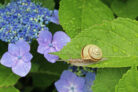
If your garden is a hotspot for slugs and snails, you might notice big holes chewed into your hydrangea leaves. This isn’t just an eyesore; it messes with the plant’s ability to photosynthesize. A classic gardener’s trick is to place upside-down terracotta pots around the garden. The slugs will crawl inside to hide from the sun during the day, making it super easy for you to collect and relocate them in the morning.