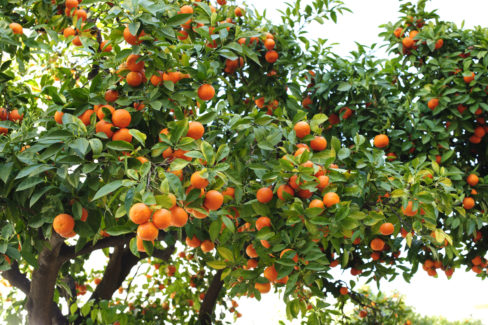
Just like any other fruit tree in your backyard, orange trees can run into their fair share of trouble with diseases and pests. My best advice? Get into the habit of giving your tree a regular “check-up.” Catching symptoms early makes it way easier to treat the problem before it gets out of hand.
Common Diseases
When it comes to orange trees, the two big troublemakers you’ll likely run into are:
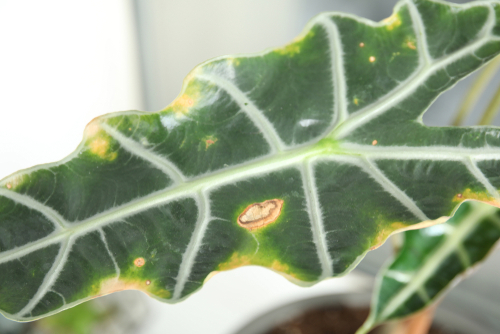
- Various fungal infections
- Foot rot (Gummosis)
Fungal Infections
Fungi aren’t picky—they can spread across almost every part of your tree. They absolutely love warm, humid weather, which helps them spread like wildfire. If you spot a fungal issue, you’ll want to prune away as much of the affected area as possible. Just a heads-up: never throw those clippings in your compost pile! You don’t want those spores hitching a ride to the rest of your garden.
Foot Rot
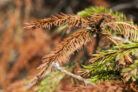
Foot rot is usually caused by a specific type of soil-borne fungus. You’ll first notice it at the very base of the trunk. As it progresses, the bark will turn dark and start to crack or peel away. The biggest giveaway, though, is a sticky, gum-like sap oozing from the trunk. Unfortunately, once foot rot takes hold, it’s pretty tough to save the tree, and it often eventually dies from the infection.
Common Pests
Disease isn’t the only thing to watch out for; orange trees are also a magnet for a few specific creepy-crawlies. The usual suspects include:
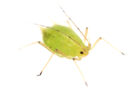
- Various types of lice and scales (like aphids, mealybugs, and scale insects)
- Citrus red mites
Dealing with Aphids and Scale
You can usually tell if you have a “bug problem” just by looking at the leaves. Look for bite marks, curling leaves, or weird deformations. You might also notice a black, sooty mold growing on the tree—this stuff thrives on the sticky “honeydew” left behind by these pests. The good news? You can usually tackle these guys with simple home remedies or, if things get serious, a targeted organic spray.
Citrus Red Mites
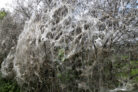
True to their name, these tiny red mites love citrus trees. You’ll know they’ve moved in if you see fine, delicate webbing on the branches that looks a bit like miniature spider webs. These mites thrive in dry air, so one of the easiest ways to keep them at bay is to regularly mist your tree with water to keep the humidity up.
Ants: The Secret Warning Sign
Keep an eye on the ground around the base of your tree and the trunk itself. If you see a “highway” of ants marching up and down, it’s a classic sign that you have aphids or scale insects. The ants aren’t actually hurting the tree—they’re just there to harvest the sweet honeydew the other pests produce. If you see ants, start looking closer for the real culprits!