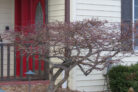
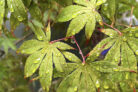
Who says you need a sun-drenched yard to have a stunning garden? Shade-loving bloomers are here to prove that even the dimmest corners of your backyard can be transformed into a vibrant sea of color. Today, I’m sharing seven of the most popular plants for shade, plus a little “insider secret” pick that I absolutely love.
[[pflanzen]]
++Astilbe (False Spirea)
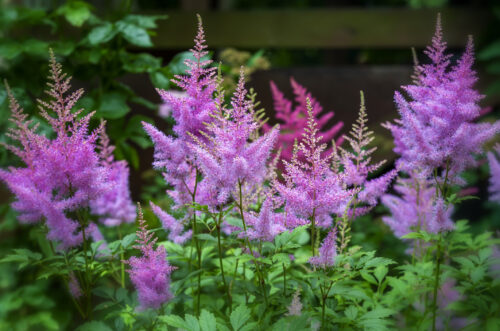
Hardly any other plant blooms as generously in the shade as the Astilbe. These perennials are a gardener’s dream because they spread via rhizomes over time, actually getting more beautiful as they age. Their feathery flower plumes come in white, cream, pink, crimson, or violet, and depending on the variety, they can reach anywhere from four inches to over three feet tall. Even when they aren’t blooming, that delicate, lacy foliage is super decorative.
++Bleeding Heart (Lamprocapnos spectabilis)
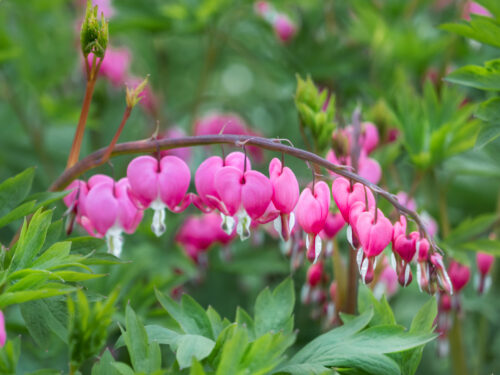
This classic cottage garden favorite brings a major romantic vibe with its unique flower shape. From May through June, this shade-lover produces arching stems heavy with heart-shaped pink or white blossoms that look like they have a tiny drop falling from the bottom. Just a heads-up: the delicate green leaves usually die back and disappear into the ground shortly after blooming, so don’t panic when it “vanishes” for the summer!
++Hosta (Plantain Lily)
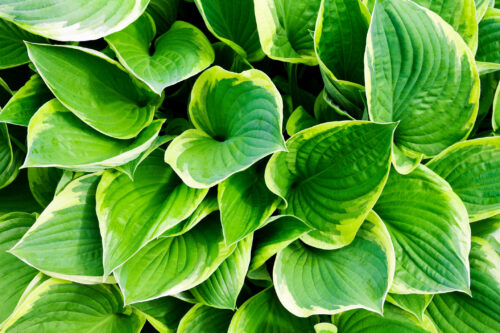
While most people grow Hostas for their incredible leaves, they also put on a show with lovely white or lavender bell-shaped flowers between June and August. Some varieties even have a wonderful fragrance! The foliage is the real star, though, ranging from creamy white and chartreuse to deep forest green and even steel blue. They are incredibly long-lived and make the perfect “filler” for gaps under trees or shrubs.
++Hardy Cyclamen
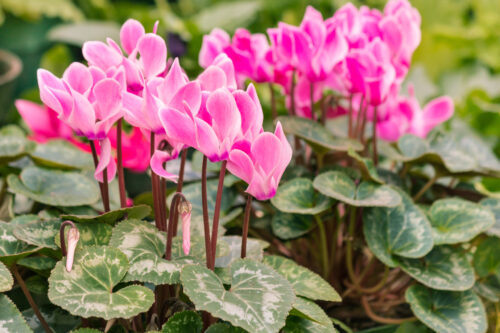
If you thought Cyclamen were just indoor pot plants, think again! There are three hardy varieties you can easily grow in your garden. The Ivy-Leaved Cyclamen (C. hederifolium) blooms from August to October and has gorgeous patterned leaves that stay green all winter. The Eastern Sowbread (C. coum) can pop up as early as December in mild spots, while the European Cyclamen (C. purpurascens) brightens up July and August with sweet-smelling blossoms.
++Foxglove (Digitalis)
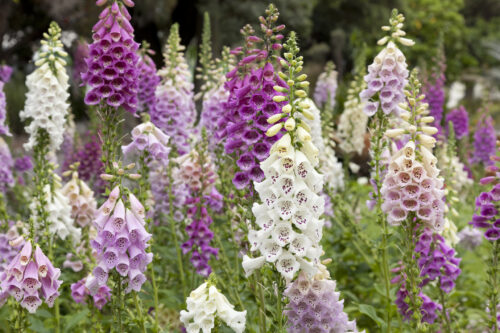
Foxgloves are biennials, meaning they have a two-year life cycle. In the first year, they grow a low rosette of leaves; in the second year, they shoot up a massive flower spike—sometimes reaching six feet tall!—covered in purple, spotted bells. They love to self-seed, so they’ll pop up in new spots every year without taking over the whole bed. Just a safety tip: every part of the Foxglove is highly toxic, so keep that in mind if you have curious pets or kiddos.
++Lily of the Valley (Convallaria majalis)
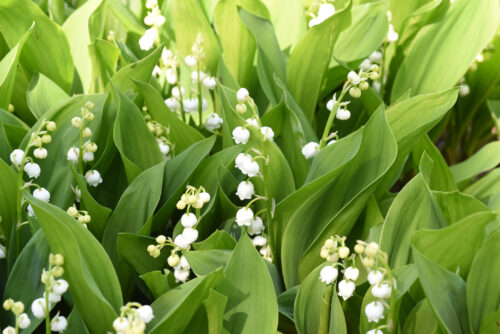
Starting in late March, these little guys emerge from the soil, followed in April by those iconic, fragrant white or pale pink bells. They have beautiful, glossy green leaves and are incredibly low-maintenance. They especially love the shade under deciduous trees, where they’ll happily spread to form a lush carpet over time. Like Foxgloves, though, please remember that Lily of the Valley is very poisonous.
++Sweet Woodruff (Galium odoratum)
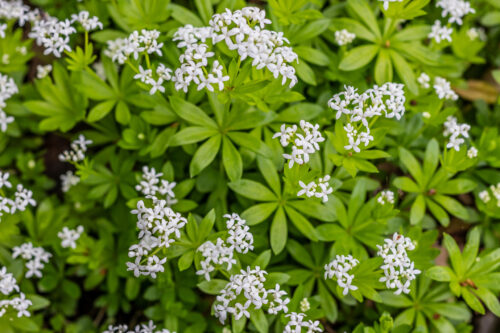
This popular herb grows in a compact, carpet-like fashion with whorls of narrow leaves. When the leaves are picked and start to wilt, they release a nostalgic scent that smells like vanilla and honey. Between April and June, you’ll see clusters of tiny white flowers that really brighten up dark corners. Bonus: Sweet Woodruff releases a substance from its roots that helps suppress weeds, saving you some serious time on garden chores!
%%Bergenia (Elephant’s Ears)
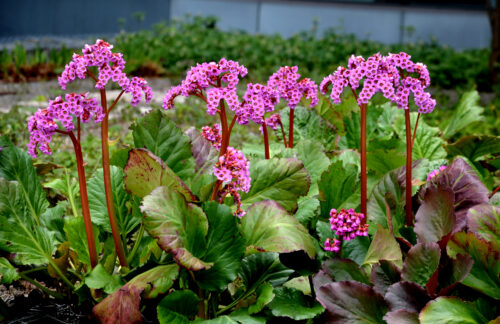
Here’s my “secret” tip: Bergenia! Like many shade plants, it blooms early in the year with white, pink, or purple bells. But the real draw is the massive, leathery leaves (up to 14 inches!) that stay attractive all year round. In the fall, the evergreen foliage turns stunning shades of red, violet, or bronze. Even when covered in frost or snow, these hardy groundcovers look absolutely magical in the winter landscape.