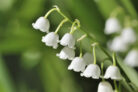
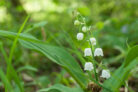
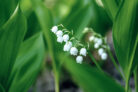
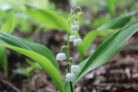
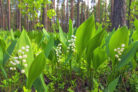
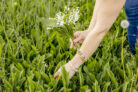
Lily of the Valley is a classic woodland beauty that’s actually native to many regions. It’s a huge favorite in home gardens, mostly because those delicate little flowers are just so stunning. But here’s a quick heads-up before we dive in: as pretty as they are, every single part of this plant is toxic, so you’ll want to handle it with care.
The Name Says It All
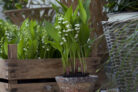
If you’re wondering when these beauties pop up, the name “Maiglöckchen” (or May Bells) gives it away! Their peak blooming season is usually in May. If you want a head start, you can actually start them indoors in March and transplant them into your garden beds by late April. With a little TLC, you can often keep those blooms going well into June.
What Do the Blooms Look Like?
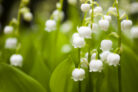
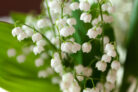
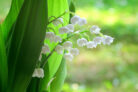
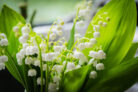
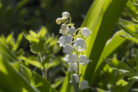
The shape of the flower is right there in the name, too—they look just like tiny, delicate bells. These little bells hang in a row along the stem like a dainty necklace. On a standard stem, you’ll usually find up to 17 bells, though some special varieties can boast as many as 20! And while we all know the classic snowy white version, there are actually some gorgeous cultivars out there that bloom in soft pink or a bicolor pink-and-white.
A Note on Toxicity
As much as we love those fragrant flowers, safety first! Lily of the Valley is poisonous. If you have curious kids or pets running around, the bright red berries that appear in the summer after the flowers fade can be a real hazard. A pro tip: deadhead the wilted flowers as soon as they’re done blooming. This prevents the berries from forming in the first place and keeps your garden a bit safer.
A Win for the Pollinators
Since it’s a native species, Lily of the Valley isn’t just pretty to look at—it’s actually great for the local ecosystem. Unlike some exotic ornamentals, bees absolutely love these flowers. Because each stem produces so many little bells, it provides a fantastic feast for our buzzing friends.
Here’s a quick recap on what makes these blooms special:
- Their peak season is in May.
- The flowers are bell-shaped and usually white (though pink varieties exist!).
- They are a great food source for bees, but remember—they are toxic to humans and pets.