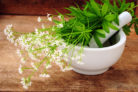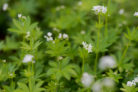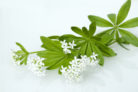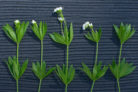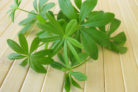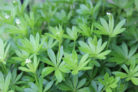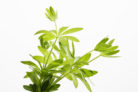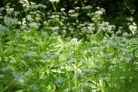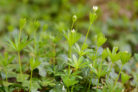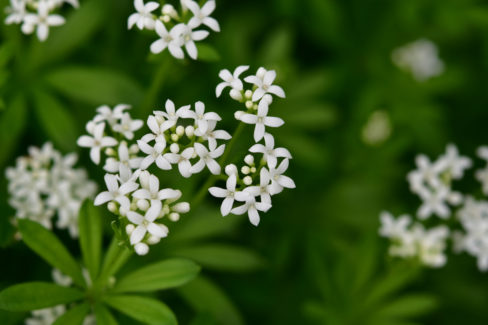
Most of us know sweet woodruff for its signature aroma and unique flavor, but it’s so much more than just a tasty treat! With its delicate white blossoms popping up in the spring, it’s actually a fantastic choice for adding some visual charm to your garden or balcony. Plus, those pretty flowers aren’t just for show—they’re stars in both the kitchen and natural medicine.
Sweet Woodruff as a Garden Favorite
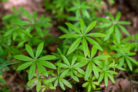
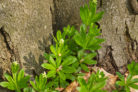
Sweet woodruff is a classic groundcover. It stays relatively low to the ground but loves to spread out via runners. If you pick the right spot for it, you’ll be rewarded with a stunning carpet of white flowers every spring. It works beautifully as a garden filler or even in a pot on your patio. Honestly, when it’s in full bloom, it can totally hold its own against other spring favorites. And here’s a pro tip: a small bouquet of sweet woodruff doesn’t just look adorable; it fills the room with that nostalgic, sweet scent we all love.
A Closer Look at the Blooms
The flowers themselves are tiny and star-shaped (or cross-shaped), with several little blossoms clustering on a single stem. In the wild, sweet woodruff usually grows in large patches, creating what looks like an endless sea of white across the forest floor. It’s a pretty magical sight!
When Does it Bloom?
You can expect to see those white petals starting in April, with the blooming season stretching through May or even into June. Just like snowdrops, lily of the valley, and wild garlic, sweet woodruff is one of our true “spring messengers.” It’s one of the first plants to peek through and announce that warmer days are finally on the way.
Foraging During Bloom Season
If you’re planning on foraging for wild sweet woodruff in the woods, the blooming period is the best time to do it. While you can technically use the stems year-round, those little white flowers are the plant’s “ID card.” They make it much easier to spot the dense green patches on the forest floor so you know exactly what you’re picking.
How to Use the Flowers
Sweet woodruff blossoms are incredibly versatile. You’ll find them used in everything from traditional recipes to home remedies. Some of the most popular uses include:
- Traditional “May Wine” punch
- Homemade woodruff lemonade
- Herbal medicinal teas
If you’re brewing a tea, here’s a quick tip: only steep the woodruff in hot water for a short moment. You don’t want it to sit too long, or the coumarin content (which gives it that scent) can become a bit too intense for the drink.