Low-light houseplants are the perfect way to green up those dim corners of your home, and the best part? They’re almost always incredibly low-maintenance. We’ve rounded up nine of the most popular indoor plants for shade, plus a little “insider tip” at the end.
[[pflanzen]]
++ZZ Plant (Zamioculcas zamiifolia)
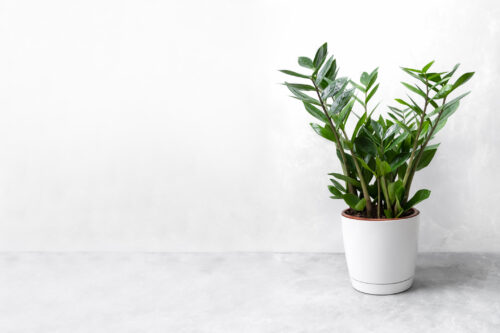
This shade-tolerant beauty is a dream come true for anyone who wasn’t exactly born with a green thumb. It’s so hardy that it’ll forgive you for the occasional lapse in care and still look stunning. Its thick, waxy leaves grow from a central rhizome and look almost like feathers. Fun fact: the leaf color actually changes based on where you put it. In shadier spots, the foliage turns a gorgeous, deep forest green.
++Peace Lily (Spathiphyllum)
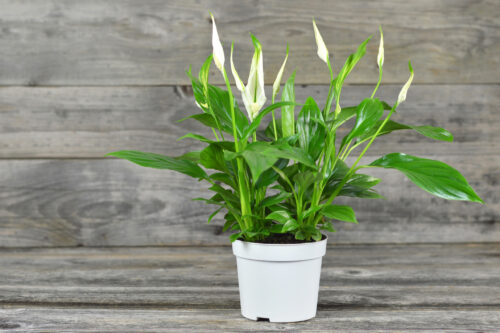
With its glossy, dark green leaves that arch gracefully, the Peace Lily is a real showstopper. It produces elegant white spathes (which look like flowers) that wrap around a central spadix. Beyond its looks, it’s a superstar at filtering pollutants out of the air. It’s happiest near a north-facing window or tucked away from direct light; keep it out of the sun, or those pretty leaves will get a nasty sunburn.
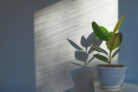
++Rubber Tree (Ficus Elastica)
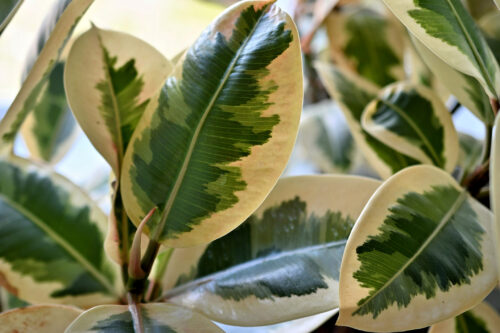
The Rubber Tree gets its name from the milky white latex sap that oozes out if the plant is nicked. Its large, elliptical leaves have a beautiful shine, and older plants often grow cool-looking aerial roots. These guys are perfect for shady spots because they really don’t like direct sun or drafty hallways. In the winter, they appreciate a slightly cooler, dim spot to rest, which helps prevent them from getting too “leggy.”
++Spider Plant (Chlorophytum comosum)
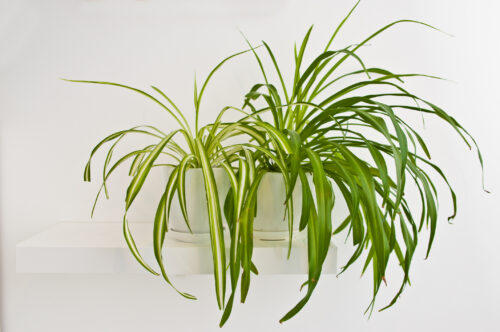
A natural air purifier that loves the shade and is easy to keep alive? Sign us up! The Spider Plant is an absolute classic, known for its fountain of leaves and the little “babies” (plantlets) that dangle from long stems. You can find them in solid green or variegated white-and-green stripes. Pro tip: the darker the leaves, the less light they need. Even the variegated ones should stay out of direct sun to keep their foliage looking fresh.
++Dragon Tree (Dracaena)
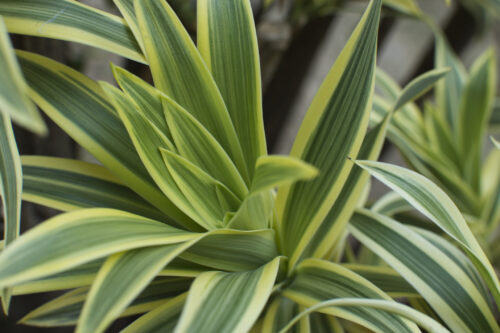
With its palm-like tufts of leaves, the Dracaena always brings a tropical vibe to a room. Interestingly, it’s not technically a tree; that “trunk” actually forms as it sheds its lower leaves over time. Since they aren’t fans of harsh sunlight, Dragon Trees should always be kept in shadier spots, making them perfect for north-facing rooms.
++Philodendron (Philodendron)
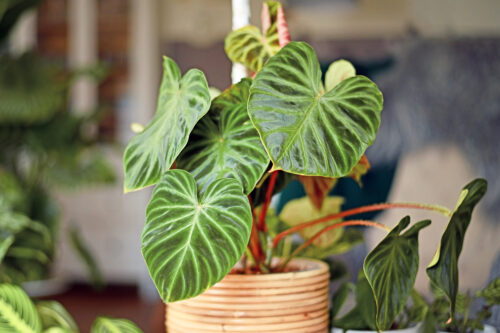
There are so many types of Philodendrons out there—from climbing vines to bushy shrubs—and they come in all sorts of shapes and textures. The one thing they all have in common? They thrive in lower light and prefer the shade. Just keep in mind that Philodendrons can be vigorous growers, so make sure you give yours plenty of elbow room to expand.
++Pothos (Epipremnum aureum)
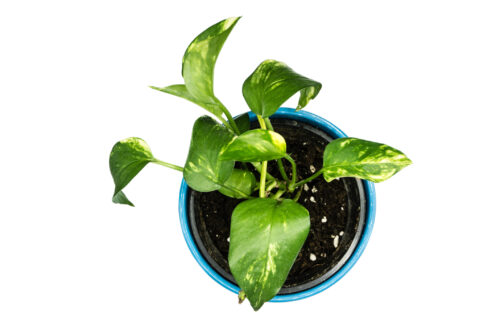
Thanks to its long, trailing vines, the Pothos is a favorite for hanging baskets or letting it spill off the top of a bookshelf. This tropical native is famous for being one of the easiest plants to care for and is great at cleaning the air. It’s very flexible with light and will do just fine in a shady corner quite a distance from the nearest window.
++Snake Plant (Sansevieria)
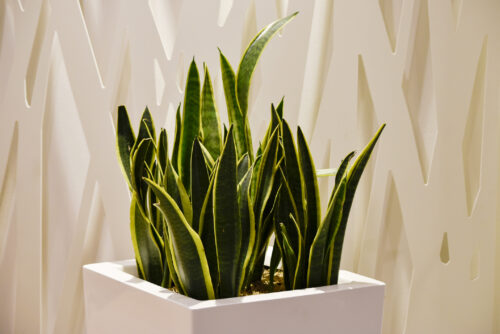
With its tall, sword-like patterned leaves, this succulent is a modern decor staple. The Snake Plant is incredibly adaptable; while it can handle full sun, it actually grows quite well in the shade. It simply adjusts its color, often producing darker leaves in lower light. When it comes to watering, “less is more” is the golden rule here. Let the soil dry out completely before you even think about grabbing the watering can.
++Monstera, Swiss Cheese Plant (Monstera deliciosa)
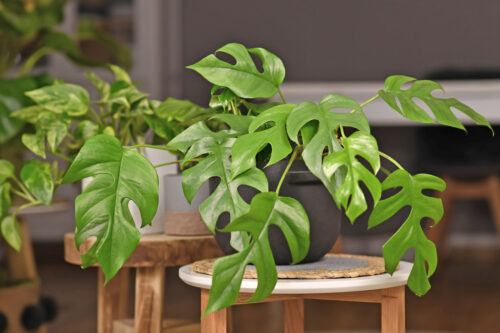
Hailing from the rainforests of Central and South America, the Monstera is famous for its massive, “holey” leaves. Indoors, these can grow up to ten feet tall! If you want yours to stand tall, give it a moss pole or trellis for support. The leaves actually tend to grow larger in shadier spots, which is why they love a dim corner. New leaves start out heart-shaped and solid; the iconic “cheese” holes develop as the plant matures and the leaves darken.
%%Baby’s Tears (Helxine soleirolii)

The tiny, delicate leaves on this plant give it a soft, elegant look. It looks fantastic in hanging pots where it can overflow like a green waterfall, but it also makes a great tabletop accent in a wide decorative bowl. The key to Baby’s Tears is keeping it out of the sun entirely—it’s a shade-lover through and through. If it’s happy, it might even produce tiny white flowers that look like a dusting of frost.