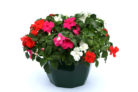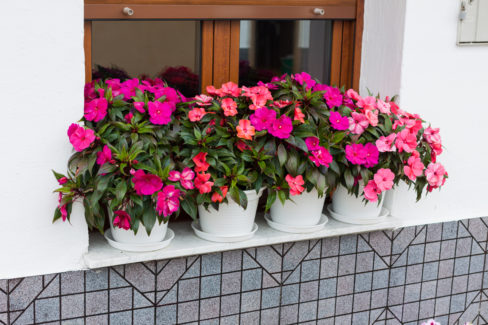
While we can’t exactly give the New Guinea Impatiens (or “Edellieschen,” as it’s known in Europe) the tropical African climate it calls home, we can certainly do our best to mimic it! Choosing the right spot is the difference between a plant that’s overflowing with blooms and one that’s just struggling to get by.
What Makes a Great Location?
If you want your New Guinea Impatiens to grow dense and flower like crazy, you have to be picky about where you put it. A bad spot leads to leggy, thin stems and—worst of all—hardly any flowers. To find the “Goldilocks” zone for your plant, keep these four things in mind:
- Light and temperature
- Sun exposure
- Protection from wind and rain
- Soil quality
It’s All About Light and Warmth
The New Guinea Impatiens (*Impatiens neuguinea*) is a total light-lover. Because of this, deep shade is a no-go, whether you’re planting it in the garden, on the balcony, or keeping it indoors. Since these beauties hail from East Africa, they are not frost-hardy. In most U.S. climates, they should only stay outdoors from mid-May through late September.
Pro Tip:
Try planting your New Guinea Impatiens in a pot. This keeps them mobile, so you can move them if the sun gets too intense or easily bring them inside to overwinter when the temperatures drop.
Protecting Your Impatiens from Sunburn
Here’s the catch: even though they love light, the sun can actually be too much of a good thing. On those scorching summer days with clear blue skies, the midday sun can literally scorch the leaves and petals. This doesn’t just look bad; it weakens the whole plant. Experienced gardeners know the perfect compromise:
- Choose a partially shaded spot.
- Morning and evening sun are great.
- Avoid the punishing midday sun at all costs.
Shelter from Wind and Rain
Even though these plants come from humid regions and can handle a bit of moisture, they aren’t fans of a constant downpour. Too much rain can make the flowers mushy, lead to fungal diseases, and cause the dreaded root rot. Plus, their stems are a bit fragile and can snap in high winds. A spot under a roof overhang or tucked away near larger, sturdier plants is usually your best bet.
The Ideal Soil Mix
Whether in a garden bed or a container, your soil should be loose, rich in organic matter, and full of nutrients. If your garden has heavy clay soil, mix in some sand to help with drainage so the roots don’t get “wet feet.” For potted plants, standard high-quality potting soil works great—just make sure your pot has drainage holes and maybe a layer of gravel at the bottom.
Moving In for the Winter
If you want to keep your plants for next year, you’ll need to dig up your garden Impatiens and pot them by mid-September. Once the thermometer starts dipping toward 50°F (10°C), it’s time for them to come inside. The perfect winter home is a bright windowsill that doesn’t get direct afternoon sun. Keep the room temperature between 60°F and 68°F (16°C–20°C) to keep them happy until spring!