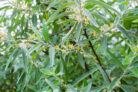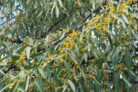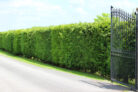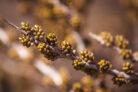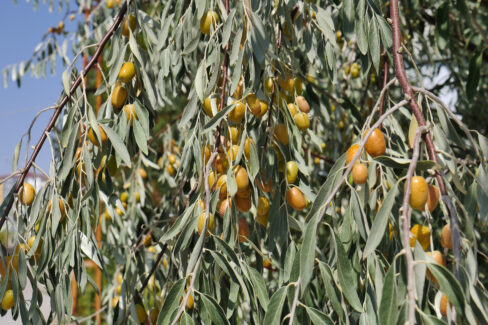
When you’re designing your outdoor space, creating a little private sanctuary is usually top of the list for most gardeners. That’s why the first thing people ask when picking out new plants is: “Will this make a good hedge?” If you’re looking at the Silverberry (also known as Oleaster), the answer is a resounding yes! Thanks to its super dense foliage, it’s a fantastic choice for blocking out the neighbors.
Green All Winter Long (Mostly!)
While there are dozens of Silverberry species out there, you’ll typically find about four main varieties at your local garden center. These are evergreen types that we consider semi-hardy. What does that mean for you? Well, during our typical mild winters, these plants will keep their leaves all year round, giving you that much-needed privacy even in the middle of January.
Low-Maintenance and Easy to Manage
One of the best things about these evergreen Silverberries is that they don’t try to take over the sky. They usually top out between six and eight feet tall. This is a huge plus because it means you won’t be spending every weekend pruning them back just to keep the peace with your neighbors or stay within local height regulations.
Plus, they aren’t “divas” when it comes to care. You really only need to water them during those long, dry summer stretches. They’re also perfectly happy in poorer soils; a little bit of mature compost in the spring is usually all the “food” they need to thrive.
How to Plant Your Silverberry Hedge
The main thing to remember is that Silverberries love the spotlight. You’ll want to pick a spot that gets full sun or at least partial shade. If you tuck them away in a dark corner, the branches will get leggy and sparse, and you won’t get that thick “wall” of green you’re looking for. Here are a few pro-tips for getting your hedge started:
- Timing is everything: Try to get your plants in the ground in early spring once the danger of frost has passed. This gives them a full growing season to establish deep roots before winter hits.
- Watch the drainage: These plants hate “wet feet.” Toss a little drainage material (like gravel) into the bottom of your planting holes to prevent water from pooling around the roots.
- Mind the gap: Depending on how big your saplings are, space them about 12 inches to 3 feet apart to ensure they grow together into a seamless hedge.