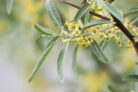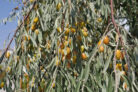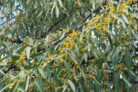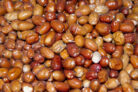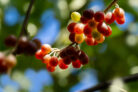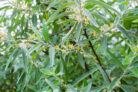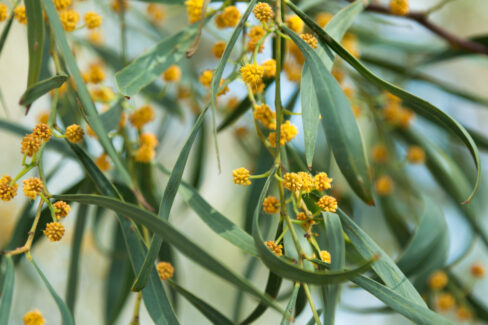
At first glance, you might think the Silverberry (or *Elaeagnus*) belongs in a sunny Mediterranean grove. With its shimmering, silvery foliage, it looks a whole lot like an olive tree! But don’t let those looks fool you—most species actually hail from China, which means they’re much tougher and more adaptable to cooler climates than your average olive tree.
What You’ll Find at the Garden Center
If you ask a botanist how many types of Silverberry exist, you might get a different answer depending on who you ask—estimates range anywhere from 45 to 90 species. Luckily, choosing one for your yard is much simpler. Most local nurseries carry about four main evergreen varieties, plus a few hardy hybrids. These specific types are usually selected because they can handle the winter chill better than their cousins.
The “Evergreen” Surprise
Here’s a little heads-up for my fellow gardeners: if you buy an “evergreen” Silverberry, don’t panic if it starts dropping leaves when the first real frost hits. I know, it’s frustrating—especially if you planted them as a privacy hedge and suddenly your “wall” is looking a bit thin!
In their native East Asian habitats, these plants stay green year-round. However, in our neck of the woods, they only keep all their leaves through particularly mild winters. Think of them as “semi-evergreen” depending on how grumpy Mother Nature is feeling that year.
Giving Your Plants Some Winter TLC
Once a Silverberry is well-established, it’s usually a champ at handling the cold on its own. But if you’ve got young plants, they’re going to need a little extra help to make it through their first few winters.
Before the deep freeze sets in, give them a light pruning and wrap the branches in garden fleece or burlap. You’ll also want to protect the roots by applying a thick layer of mulch around the base. My favorite materials for this are:
- Dried leaves
- Brush or pine branches
- Standard bark mulch