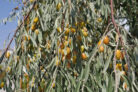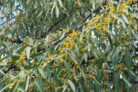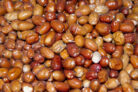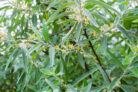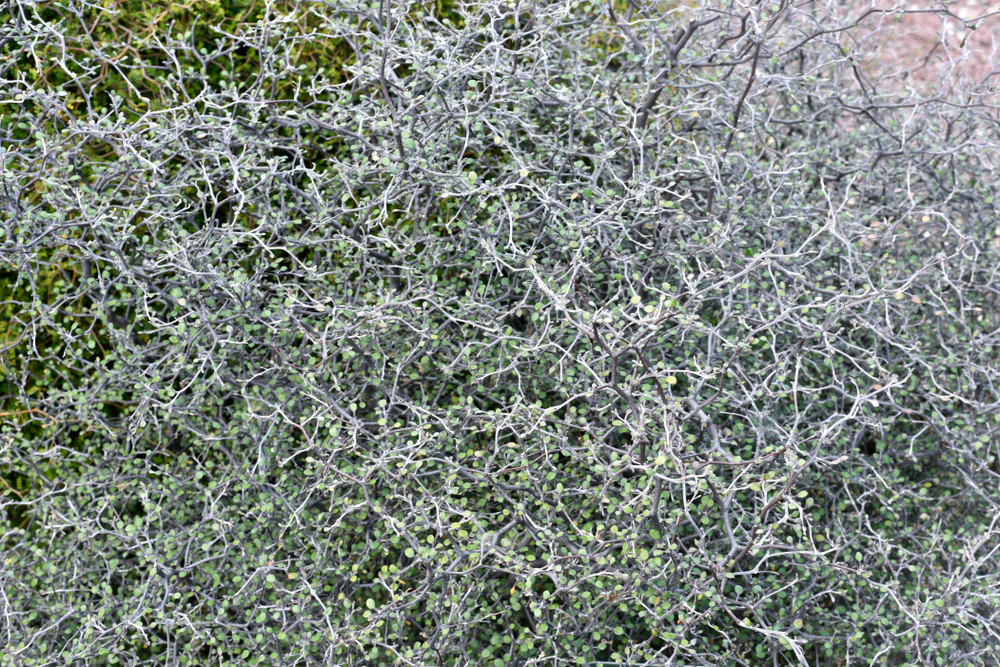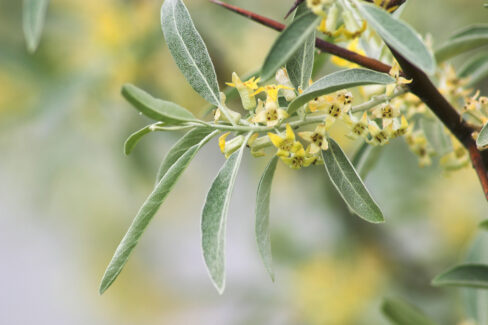
When it comes to the Silverberry (or *Elaeagnus*), even the scientists can’t quite agree on how many species actually exist. Estimates range anywhere from 45 to 90! What we do know for sure is that here in the States and across Europe, you’ll mostly find four main species and one popular hybrid at your local nursery. These are typically categorized as evergreen varieties.
Don’t Panic if Leaves Drop
Now, “evergreen” is a bit of a relative term here. In their native habitats—mostly in much warmer climates like China, where over half of these species originate—they keep their leaves all year round. However, in our neck of the woods, these plants might shed their foliage if the thermometer dips too low. In a mild winter, they’ll stay green, but don’t be surprised if they drop some leaves during a real cold snap.
Winter Protection is Key
To be honest, most evergreen Silverberries aren’t what I’d call fully winter-hardy. When a deep freeze hits, both the branches and the roots can take a beating. That’s why a little TLC in late fall goes a long way. Start by wrapping the trunk and any untrimmed branches in garden fleece or burlap. After that, you’ll want to protect the root zone. A thick layer of mulch works wonders for keeping the roots cozy. You can use:
- Dried leaves
- Pine boughs
- Bark mulch
A Tough-as-Nails Plant
The good news? This extra protection is mostly vital for young plants. Once a Silverberry gets established and gains some “age,” it becomes much more resilient to the cold. In fact, these plants are incredibly forgiving. They aren’t picky about soil and can pull nutrients out of even the poorest ground. A little bit of mature compost in the spring is usually all the fertilizer they’ll ever need. Plus, they are total champs during dry spells. You really only need to water them when the topsoil feels bone-dry. The only thing they truly hate is “wet feet”—standing water can lead to root rot, so just make sure your soil drains well!