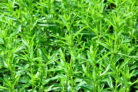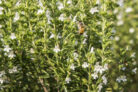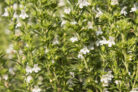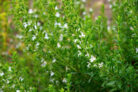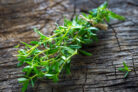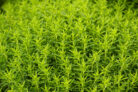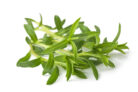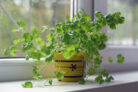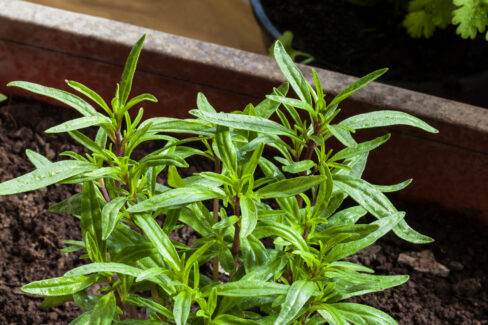
Savory is such a delicious, aromatic herb that honestly, no kitchen garden is complete without it. When you’re picking out seeds, you’ll mainly run into two types: Summer Savory and Winter Savory (also known as Mountain Savory). The big difference? Winter Savory is a perennial, meaning it’ll come back year after year. Summer Savory is an annual, so you’ll need to replant it every spring.
Savory Seeds
Savory seeds are absolutely tiny, which can make sowing them thinly a bit of a challenge. Here’s a pro tip: use a fine metal tea strainer! The mesh is usually just the right size to help you shake the seeds out evenly over a larger area.
You can harvest your own seeds from existing plants or grab a packet at the garden center. Just make sure they’re fresh! Old savory seeds are notorious for poor germination. If you see a seed packet without an expiration or “packed for” date, I’d recommend putting it back on the shelf.
One super important thing to remember: savory seeds are “light germinators.” This means they need sunlight to wake up and sprout, so don’t bury them under a layer of soil. Just press them lightly into the surface so they make good contact. When it’s time to water, use a spray bottle or a fine mist setting; a heavy stream of water will just wash those tiny seeds away.
Sowing Savory
Choosing between the two depends on your taste buds—Summer Savory is a bit milder, while Winter Savory packs a punch. Since Summer Savory needs to be sown every year, it’s a seasonal staple. Winter Savory, on the other hand, is frost-hardy and will hang out in your herb bed for several seasons. Here’s how to get your soil ready for success:
- Loosen the soil well and make sure it drains properly.
- If you’re growing in pots, add a drainage layer (like pebbles) at the bottom to prevent “wet feet.”
- If your garden soil is heavy or compacted, mix in some sand or fine gravel to lighten it up.
- Summer Savory loves nutrient-rich, humus-heavy soil that’s slightly limey (aim for a pH between 5 and 7).
- Winter Savory also likes a bit of lime and non-acidic soil, but it actually prefers fewer nutrients—it’s a bit more rugged!
- Pick a sunny spot in your garden.
- Try to find a place that’s protected from harsh winds.
- If you’re planting directly outside, wait until after the last frost (around mid-May).
- You can definitely start them early on a windowsill or in a greenhouse.
- Remember: just press the seeds down gently; don’t cover them.
- Use a misting bottle to water so the seeds stay put.
- Don’t sow them too thickly. Savory naturally grows into a bushy shape and needs its personal space.
- If your seedlings do end up too crowded, make sure to thin them out so every plant has room to thrive.