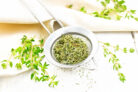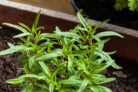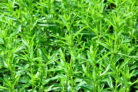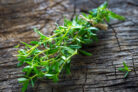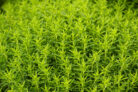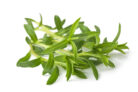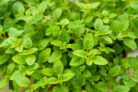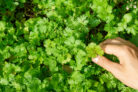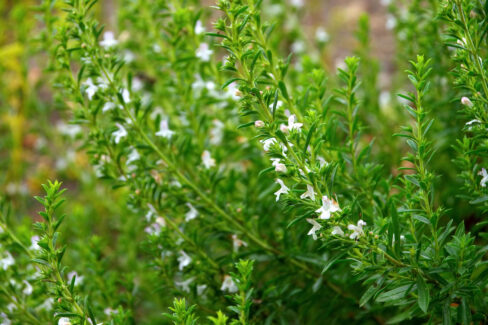
Savory is one of those secret weapons in the garden—it’s got this amazing peppery kick that levels up any hearty stew. But if you want that flavor to be super intense (and stay that way even after you dry or freeze it), timing is everything.
When is the best time to harvest savory?
Most of us grow two types: the annual Summer Savory and the hardy, perennial Winter Savory. If you’re growing the annual variety, you can snip off fresh sprigs all season long once the plant has filled out a bit. However, if you’re looking to stock up your pantry, the “sweet spot” for harvesting is right before it blooms in July. You *can* still harvest it while it’s flowering—the flavor just gets a little milder. Once fall hits, go ahead and cut the whole plant down to the ground to dry or freeze it, since it won’t survive the winter.
Winter Savory is a bit tougher. You can keep harvesting it fresh well into the winter months! Just give it a break once the tips start to freeze. Before that first hard frost, though, it’s a great idea to harvest a big batch for your winter stash.
Pro tip: Pick your savory on a warm, sunny morning. Wait until the dew has dried (usually late morning), as that’s when the essential oils are most concentrated. Use a sharp knife or garden shears to cut the stems near the base. This actually encourages the plant to grow back even bushier!
Harvesting for your winter stash
As soon as your savory has some good growth, feel free to grab a few sprigs for dinner. But for long-term storage, wait until just before the flowers open. You can cut both Summer and Winter Savory back by about half their height. They’ll grow right back, allowing for a second harvest in the fall.
Remember, Summer Savory is an annual, so cut that one all the way down to the soil before winter. Winter Savory can keep giving until the ground freezes. Once you’ve got your haul, you can dry it or pop it in the freezer.
How to use savory
Savory isn’t just a culinary superstar; it’s also been used as a medicinal herb for ages. Whether you’re using it fresh from the garden or pulling from your dried stash, it’s incredibly versatile.
In the kitchen, try it with:
- Green beans (a classic match!)
- Bean salads
- Meat or fish dishes
- Homemade sauces
- Roasted potatoes for a peppery twist
As a traditional herbal remedy, it’s often used for:
- Coughs and bronchitis
- Skin irritations
- Digestive issues like diarrhea