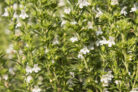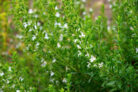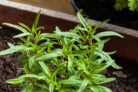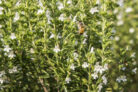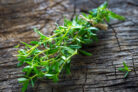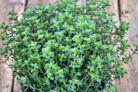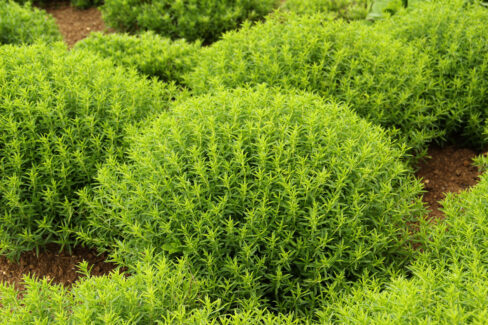
When it comes to savory, you’ve basically got two choices: the annual kind or the perennial kind. Summer savory is an annual, meaning you harvest it all season long and then toss it in the compost once late fall hits. Winter savory (also known as mountain savory), on the other hand, is a hardy perennial that can totally handle the cold if you treat it right.
How to Overwinter Winter Savory
Unlike summer savory, which needs to be reseeded every spring, winter savory is pretty tough. In a typical winter with moderate freezing temps, it usually doesn’t need any extra help at all. My best tip? Don’t prune it in the fall. Leave those withered stems alone—they actually act as a natural blanket for the rootstock. Once spring rolls around, you can trim back the old growth down to the woody parts just before the new shoots start popping up.
If you’re expecting a brutal cold snap or if you live in a particularly harsh climate, it’s a good idea to give your plants some extra love. A layer of fallen leaves, some evergreen brush, or a bit of garden fleece works wonders. Just make sure to remove it in early spring. This cover also helps protect the plant from “wet feet” (waterlogging), which winter savory absolutely hates. If you live somewhere with rainy winters, make sure the soil drains well. As soon as the hard frosts are over, ditch the protection and give those stems a fresh trim.
Growing Savory in Pots
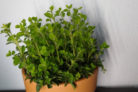
Winter savory does great in pots or balcony planters, but keep in mind that container plants are more vulnerable to the cold. If a pot sits outside all winter, the soil can freeze solid, which kills off those delicate roots. If that happens, don’t expect any new growth in the spring! To keep your potted savory happy, try these tricks:
- Move pots to a sheltered spot (against a house wall, under an overhang, or near a thick hedge).
- Wrap the container in bubble wrap, burlap, or heavy garden fleece.
- Elevate the pot by placing it on a piece of Styrofoam or a wooden plank to insulate it from the frozen ground.
- Double-check that the drainage holes aren’t blocked—water has to be able to get out!
- If you can, move the pots into a bright garage, a sunroom, or a cool stairwell where it stays above freezing.
- If you bring them inside, don’t forget to give them a little water every now and then.
Once the temperatures start climbing back into the 50s consistently, you can strip off the insulation and let your savory soak up the spring sun!