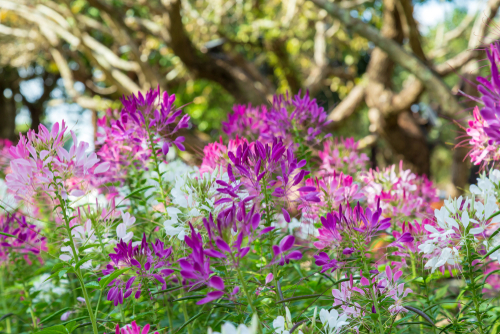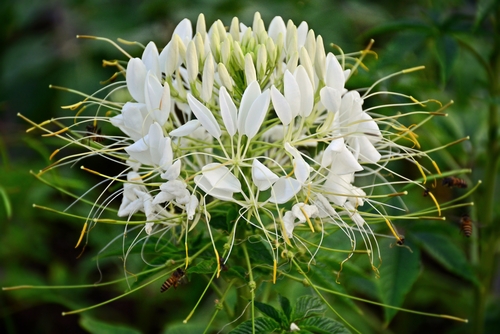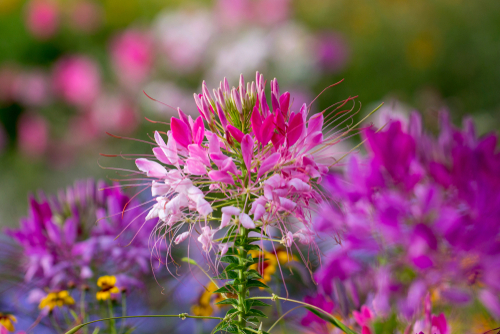
Don’t let the name scare you off! Despite being called the Spider Flower (Latin name: *Cleome spinosa*), this plant is actually a stunning and super popular addition to any summer garden. One thing to know right off the bat is that Cleome is a “light germinator,” meaning it needs a little sunshine and a lot of warmth to get going. If you’re looking to add these beauties to your yard, here’s everything you need to know to get those seeds sprouting.
What Exactly Are Light Germinators?
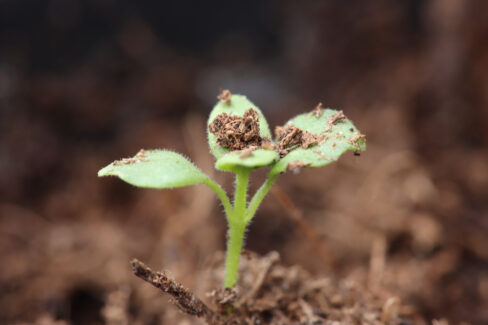
In the gardening world, a light germinator is a plant whose seeds need direct exposure to light to kickstart the germination process. If you bury them under a thick layer of soil, they’ll never make it to the surface. Plenty of our favorite annual summer flowers fall into this category, and the Spider Flower is no exception.
Because of this, these hardy seeds are experts at self-sowing. Once the seeds are ripe, they simply drop to the ground and wait for the right conditions to pop up again next year without any help from us. It’s nature’s way of making sure they stick around!
When Should You Plant Spider Flowers?
Light is only half the battle; Spider Flower seeds also crave warmth. They really need temperatures between 65°F and 70°F (18°C to 20°C) to wake up. Because of this, I wouldn’t recommend direct-sowing them in your garden until late May at the earliest. If you want to enjoy those blooms for as long as possible, your best bet is to start them indoors in March. Great spots for this include:
- A heated greenhouse
- A sunny windowsill
- A warm sunroom or conservatory
Tips for Success: Sowing Your Spider Flowers
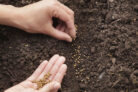
If you’re sowing seeds directly outdoors, start by watering the area first, then scatter the seeds on top. You’ll need to keep the soil consistently moist, but be very gentle when watering—you don’t want to accidentally wash your tiny seeds away!
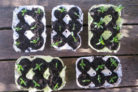
When starting seeds indoors, the same rule applies: moisten your seed-starting mix first, then sprinkle the seeds on the surface. A spray bottle is your best friend here for keeping things damp without overdoing it. To lock in that heat and moisture, try stretching some clear plastic wrap over your pots. Just be sure to poke a few holes in the plastic and lift it occasionally to let fresh air in; otherwise, you might run into issues with mold or rot.
Once the threat of frost has passed and the weather is reliably warm, you can move your young Spider Flowers out to their permanent home in the garden!