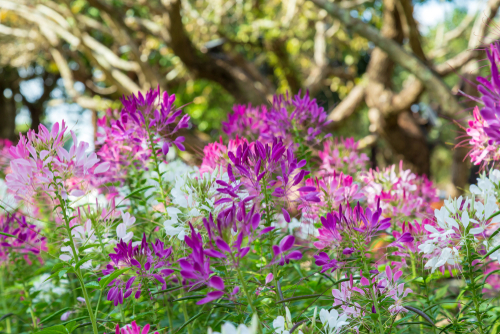
When it comes to starting your own Cleome (also known as Spider Flower), you’ve got two main paths you can take. The easiest route is definitely picking up a packet of seeds from your local garden center, as these are usually ready to go right out of the gate. However, if you’re feeling adventurous, you can totally harvest seeds from the Spider Flowers already gracing your garden!
Only Use Mature Seeds
Timing is everything when harvesting. You’ll know the seeds are ripe and ready when they turn a dark gray or black. If they’re still whitish or pale, they aren’t quite there yet, though you can let them finish ripening indoors. Once they’re ready, make sure they are completely dry before storing them in a cool, dark spot. A quick heads-up for parents: if you have curious little ones running around, you might want to stick to store-bought seeds. Cleome seeds are actually the only toxic part of the plant and can cause some pretty nasty stomach issues if ingested.
Prepping for Planting
In the wild, these seeds naturally go through a chilly winter before they sprout. To mimic that “wake-up call” at home, your seeds will need a little bit of cold stratification. Pop them in the refrigerator for a few days before planting. Just be sure to keep them out of the freezer—extreme sub-zero temps can actually damage them.
Spring Sowing Tips
If you want a head start on the season, you can begin sowing your seeds indoors around February or March. Place them in some moist seed-starting mix, but don’t bury them deep! Cleome are “light germinators,” meaning they need sunshine to kickstart the growing process, so only cover them with a very thin dusting of soil. Keep your seed trays in a warm spot (near a radiator works great) and keep the soil consistently moist. You should see those first sprouts popping up within two to three weeks. Just remember: don’t move them out to the garden until the threat of frost has passed in mid-May.
To recap, here’s your game plan for successful Spider Flowers:
- Harvest and dry your seeds thoroughly.
- Store them in a cool, dry place.
- Start seeds indoors in February or March.
- Wait until mid-May to transplant them outside.