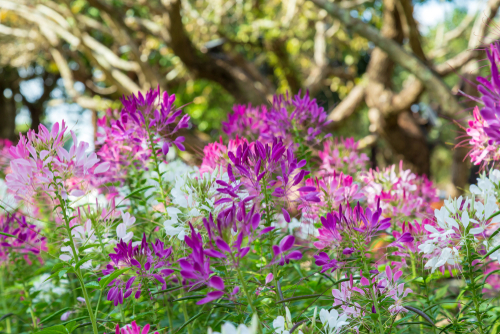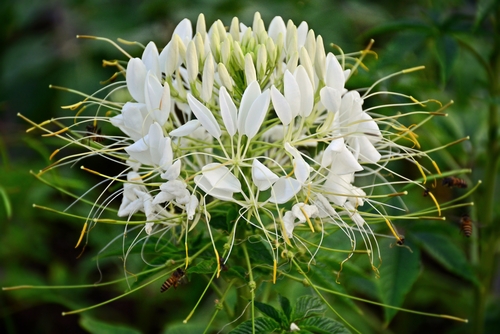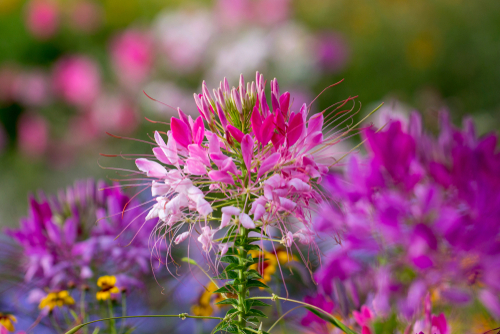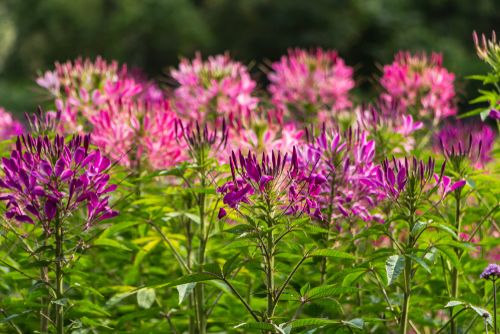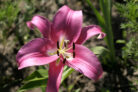
With their long, wispy stamens and striking blooms, annual Spider Flowers (Cleome) are a real showstopper in any backyard. These beauties are great at producing viable seeds, often popping up again the following year all on their own! If you’re looking to save some seeds for next season, here’s everything you need to know to get it right.
When do Spider Flower seeds develop?
Once the blooming season winds down, you’ll notice small, bean-like pods forming where the flowers used to be. To make sure your seeds actually sprout next year, you’ve got to let them ripen on the plant as long as possible. If the pods are still bright yellow, the seeds inside aren’t ready yet. Wait until the pods turn dark and look a bit withered—that’s your cue! You’ll also notice the seeds themselves changing from white to a dark gray or black as they mature.
How should I store the seeds?
Timing is everything! Wait for a dry, sunny day to harvest those pods so the seeds are at their peak maturity. Once you’ve popped the seeds out of the pods, let them air dry completely. The best way to store them is in a simple paper bag. Avoid airtight plastic containers or baggies; any leftover moisture can cause mold to grow, ruining your hard work.
What makes Spider Flower seeds unique?
Here’s a quick cheat sheet on what to expect from Cleome seeds:
- Winter hardy (they can handle the cold!)
- Frequent self-seeders
- Light-dependent germinators (they need sun to sprout)
- Remain viable for several years
- Toxic if ingested
Are the seeds poisonous?
Yes, it’s important to keep in mind that these seeds are toxic. If eaten, they can cause some pretty nasty stomach issues. For small amounts, activated charcoal usually does the trick, but if someone ingests a lot of them, a trip to the doctor for a stomach pump might be necessary. Definitely keep a close eye on the little ones if they’re playing near your flower beds!
When is the best time to plant?
If you want a head start, you can start your Spider Flowers indoors on a sunny windowsill beginning in March. If you prefer direct sowing, wait until after the last frost (around mid-May) to plant them in their permanent home. While the seeds are tough enough to overwinter right on the ground, wind and rain can sometimes wash them away or bury them too deep. Since they need light to germinate, seeds that get buried too far down won’t be able to sprout come late spring.