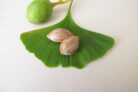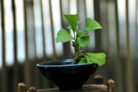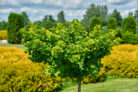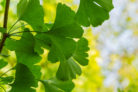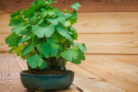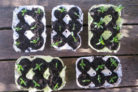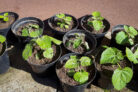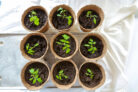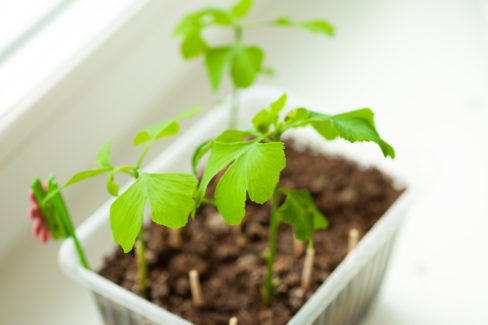
One way to grow your own Ginkgo tree is by starting from seed. Now, I’ll be honest with you—getting these seeds to sprout takes a little bit of extra love and attention. But with a few pro tips, you can boost your success rate and watch your very own prehistoric tree grow from scratch.
Choosing Your Seeds
If you’re lucky enough to have a fruiting Ginkgo tree in your yard, you can harvest the seeds yourself. Just a heads-up: the fleshy coating around the seeds smells… well, pretty unpleasant (think rancid butter). You’ll definitely want to wear gloves when gathering the fruit and popping out the pits!
Once you’ve got the pits out, give them a good scrub under running water. Then, it’s time for a quality check. Only keep the healthy, intact seeds. If the shell is cracked or the fruit it came from was moldy, toss it—it’s not worth the trouble.
Prepping the Seeds
Technically, Ginkgo seeds can sprout on their own, but you’ll get much better results if you give them a little “nudge” first. Take some coarse sandpaper and lightly scuff the surface of the seeds. You’re just looking to add some texture to the shell, not sand it all the way down.
Next, grab a cup of lukewarm water and let the seeds soak for at least 24 hours. Keep the cup in a warm spot, but don’t overdo it. A great trick is to place it on top of a warm appliance like a refrigerator. Avoid putting them directly on a hot radiator, as that’s usually a bit too much heat for them.
Starting Seeds Indoors
If you want to grow Ginkgo from seed, starting them in an indoor seed-starting tray is your best bet. While you can technically start them any time of year, spring is the sweet spot because the seedlings will have plenty of natural light as they grow.
How to start your seeds:
- Fill a seed tray or mini-greenhouse with high-quality seed-starting mix.
- Space out your seeds on the surface.
- Cover them with a layer of soil about twice as thick as the seed itself.
- Give them a good watering.
- Put the lid on your tray to keep the moisture in.
The germination phase can take up to four weeks. During this time, make sure the soil never dries out, or those delicate little sprouts might not make it.
Direct Sowing Outdoors
Since the Ginkgo is cold-hardy, you can also try sowing seeds directly in the ground. You’ll want to wait until outdoor temperatures are at least 68°F (20°C). Just like the indoor method, cover the seeds with soil and keep them well-watered.
Pro tip: Even outdoors, it helps to use a garden cloche or a clear plastic cover over the planting site. This creates a mini-greenhouse effect, keeping the soil warm and preventing the surface from drying out too fast in the sun.