Summer is finally here, and nothing beats the sight of a garden bursting with vibrant colors and unique shapes. To help you get your garden glowing, I’ve rounded up seven of the most popular summer flowers, plus a little “insider tip” that I absolutely love.
[[pflanzen]]
++Garden Phlox (Phlox amplifolia)
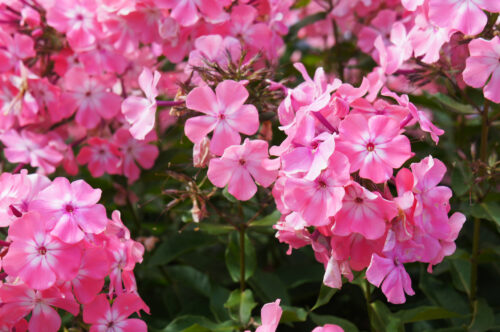
Phlox is one of those “set it and forget it” perennials that just keeps on giving. It’s super hardy and low-maintenance, spreading out into lush clumps that actually get more beautiful every year. You’ll see these lovely clusters of flowers sitting atop stems about three feet tall, ranging in color from crisp white to romantic pinks and deep purples. The best part? Phlox isn’t picky. It’s happy in full sun or partial shade and can even handle the root competition from nearby trees.
++Petunias (Petunia)
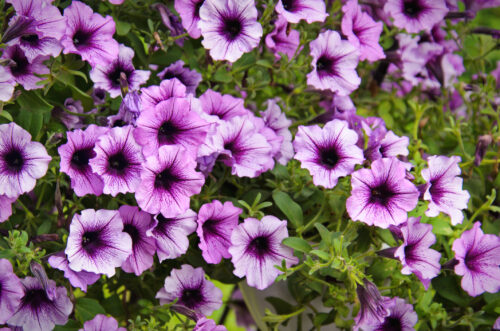
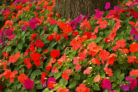
From early summer straight through the first frost, petunias are absolute blooming machines. Their trumpet-shaped flowers come in every shade imaginable—white, pink, red, purple, and blue—often with gorgeous stripes or patterns. The blooms pop beautifully against their dark green, slightly fuzzy (and famously sticky!) leaves. Since they love the heat and soak up the sun, they are the go-to choice for hanging baskets and window boxes.
++Pot Marigold (Calendula officinalis)
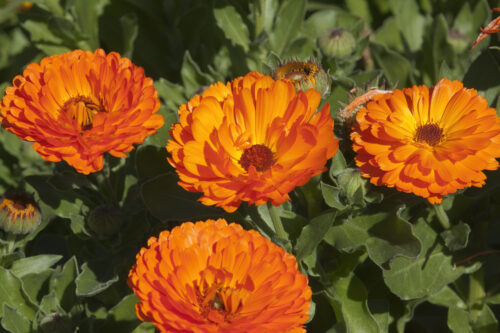
If you’re looking for a cheerful, easy-going sun-lover, look no further than Calendula. These bright yellow and orange beauties are a staple in many vegetable gardens because they make great companion plants. Pot marigolds grow in bushy upright clumps and bloom tirelessly from June through October. After the flowers fade, they produce cool, ring-shaped seed pods. Plus, they aren’t just pretty faces—the petals have healing properties and are often used in homemade salves and ointments.
++Snapdragons (Antirrhinum majus)
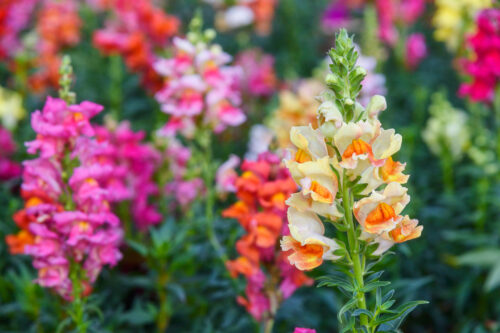
Snapdragons are a total nostalgic classic. They’ve been garden favorites for generations, and it’s easy to see why. If you give the sides of the flower a gentle squeeze, the “mouth” snaps open—kids (and let’s be honest, adults too) love it! They come in a rainbow of colors like yellow, orange, red, and pink, usually featuring a signature yellow spot on the “lower lip.” These annuals thrive in full sun, where they’ll keep the show going all summer long.
++Lupine (Lupinus)
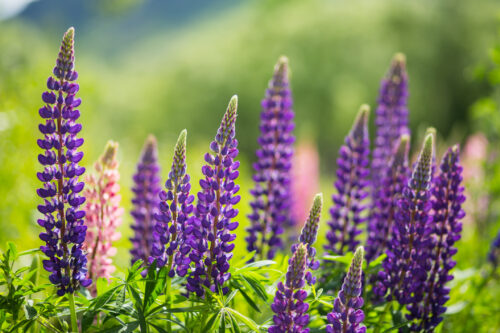
With their tall, dramatic flower spikes, lupines are the ultimate eye-candy for a perennial bed. They come in stunning shades of white, yellow, pink, red, and purple. Depending on the variety, some can reach up to three feet tall, making them perfect for adding height and structure to your garden. Just a heads-up: those heavy flower heads can sometimes get a bit top-heavy, so you might want to give them a little support with a stake. To get those colors really popping, make sure they’re in a sunny spot.
++Sunflowers (Helianthus)
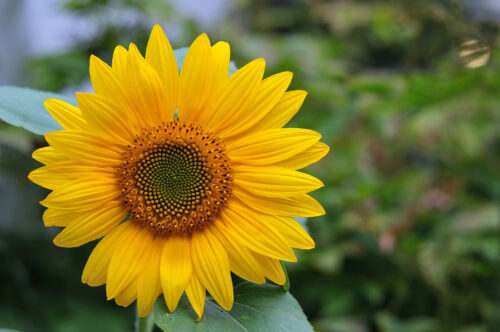
Is it even summer without sunflowers? They are the ultimate symbol of the season. You can find varieties ranging from tiny 10-inch dwarfs to towering 10-foot giants. While we love them for their iconic yellow petals and dark centers, they’re also incredibly useful. Common sunflowers are grown for oil and birdseed, while their cousin, the Jerusalem Artichoke (Sunchoke), produces delicious, healthy tubers that you can cook just like potatoes!
++Nasturtium (Tropaeolum)
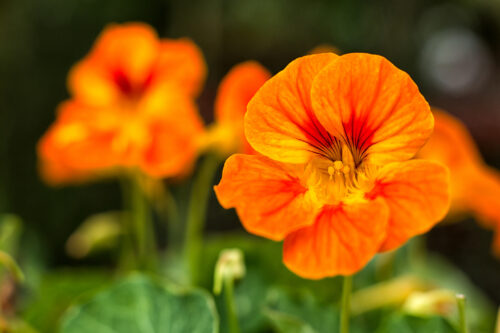
Nasturtiums are like a burst of sunshine in the garden with their vivid yellow, orange, and red blooms. Starting in July, they really take off. If you give them a trellis, they’ll climb up to create a beautiful flowering privacy screen; otherwise, they’ll happily carpet the ground as a colorful trailer. My favorite thing about them? They’re edible! The leaves have a wonderful peppery kick that tastes amazing in salads, herb butter, or mixed into cream cheese.
%%Corn Poppy (Papaver rhoeas)
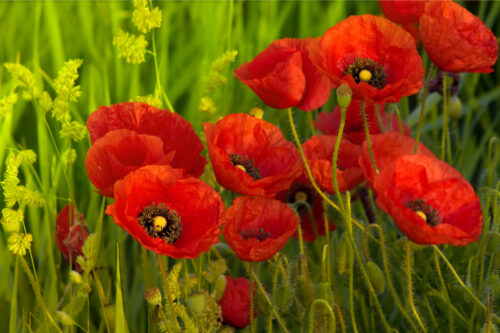
For my “secret tip,” I have to go with the Corn Poppy. There’s something so magical about their delicate, paper-thin scarlet petals. They can grow up to five inches across and are a sure sign that the heat of summer has arrived. They’re also a huge hit with local pollinators. Poppies don’t like to be moved once they’re settled, so pick a warm, sunny spot where they can stay put and self-seed for years to come.