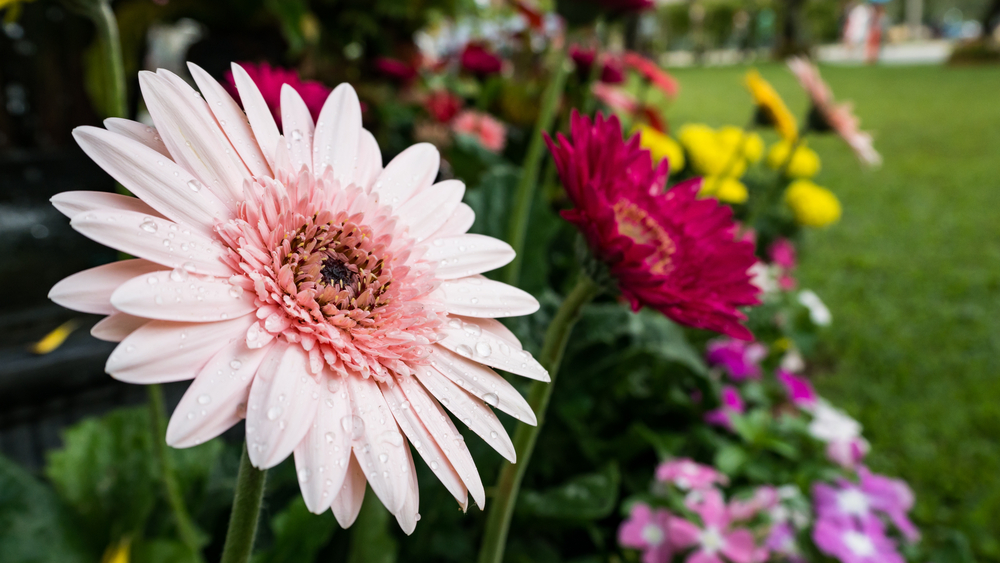
When summer hits, there’s no place we’d rather be than out on the balcony. And honestly, it’s even better when our favorite flowers can join us to brighten up those lazy afternoons. If you’re a fan of Gerberas, you’re in luck—these beauties love a little “face time” with the sun, provided you give them the right care during the warmer months.
Finding the Perfect Balcony Spot
Did you know the Gerbera is sometimes called the “African Daisy”? Since they hail from sunny South Africa, they crave plenty of light and warmth. A south-facing balcony is usually ideal, but here’s the catch: they prefer the gentle rays of the morning and evening sun rather than the scorching midday heat. Make sure their spot has good air circulation, too, but keep them out of any harsh, gusty drafts.
Wait for the Warmth (15°C / 60°F Rule)
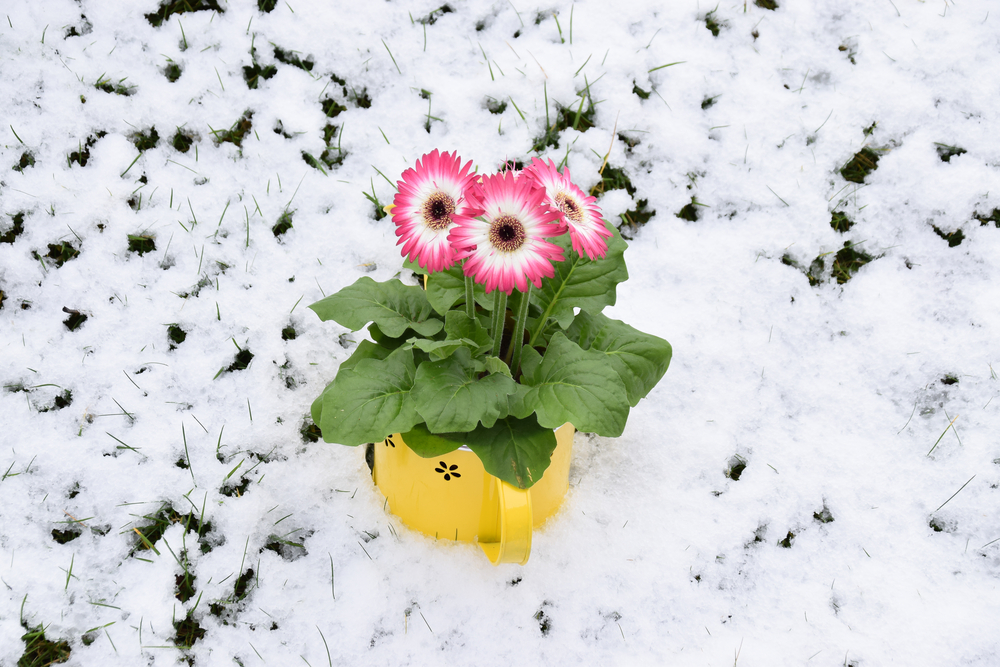
Since these are tropical plants at heart, they are not hardy at all. You’ll want to wait until at least mid-May before moving them outside. In fact, they’re so sensitive to the cold that I recommend waiting until temperatures consistently stay above 60°F (15°C). You can definitely plant them directly into your balcony flower boxes, but remember that for overwintering, you’ll need to dig them up and move them back into a portable pot. Depending on the weather, their outdoor vacation usually wraps up by September.
Keeping Your Gerbera Hydrated
To keep those blooms popping in all those vibrant colors, you’ve got to stay on top of your watering game.
- Water regularly—on hot days, that means every single day.
- Try to keep the water off the leaves and flowers to prevent rot.
- Make sure the water can drain freely; always empty the saucer so they don’t get “wet feet.”
- On exceptionally hot days, a light misting can help them stay cool.
Don’t Forget the Fertilizer
Gerberas are already pretty hungry when kept as houseplants, but once they’re outside, they really kick their growth and blooming into high gear. To keep up with that energy, give them a dose of liquid fertilizer once a week. Mixing it right into your watering can is the easiest way to go.
Deadheading for More Blooms
I know, cutting off spent blooms feels like a chore, but it’s the secret to a lush, long blooming season. If you leave the old flowers on, the plant wastes all its energy making seeds instead of new petals.
Pro Tip:
If your Gerbera isn’t a hybrid, you can leave a few flowers alone in late summer to collect the seeds. You can then use those seeds to propagate brand-new plants in September or February!