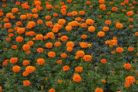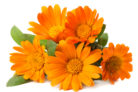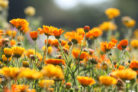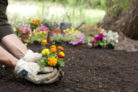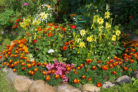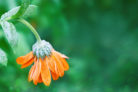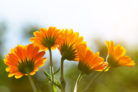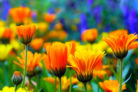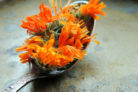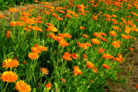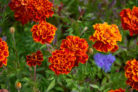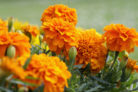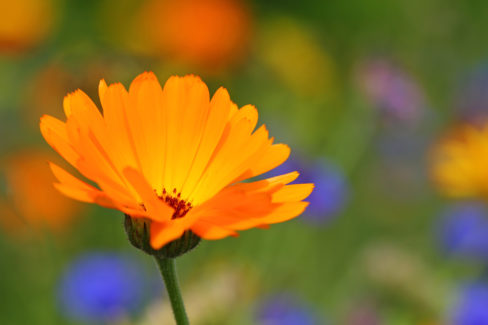
With its vibrant yellow and orange petals, the Pot Marigold—better known as Calendula—is a staple in backyards everywhere. It’s one of those “set it and forget it” summer flowers because it blooms for ages and isn’t picky about where it grows. But there’s way more to this plant than just a pretty face; it’s actually edible and has been a superstar in traditional herbal medicine for centuries.
Calendula at a Glance:
- Name: Pot Marigold (lat. Calendula officinalis)
- Common Nicknames: Common Marigold, Mary’s Gold, Ruddles
- Plant Family: Asteraceae (Daisy family)
- Height: 12 to 20 inches
- Lifespan: Annual, not hardy
- Flower Colors: Yellow, orange, light red
- Sowing Time: April to May
- Location: Full sun to partial shade
- Soil: Loose, deep, with a bit of clay
- Bloom Time: June to October
- Uses: Cut flowers, edible garnishes, medicinal herb
Why You Need Calendula in Your Garden
There’s a good reason why Calendula has been a garden favorite for hundreds of years. You’ll still find it growing in old monastery gardens and on traditional farms today. Not only is it famous for its healing properties, but those bright sunny flower heads are incredibly hardworking. While an individual flower only lasts about five days, the plant is a blooming machine, constantly pumping out new buds all season long.
Pro tip: If you want even more flowers, keep up with deadheading (cutting off the wilted blooms). They make gorgeous cut flowers for your kitchen table, too! Plus, Calendula is a natural bodyguard for your veggies—planting a border of them can help deter pests like snails and nematodes.
Using Calendula as a Healing Herb
Since the Middle Ages, people have been finding new ways to use Calendula both inside and out. A tea made from dried petals is often used to soothe stomach or liver issues. On the skin, Calendula salves and tinctures are amazing for calming irritation and redness. They help speed up wound healing and can even reduce scarring. Because it’s so gentle, you’ll often find it as a main ingredient in baby skincare products.
And don’t forget—Calendula is totally edible! Try mixing freshly harvested petals into some homemade herb butter. It adds a beautiful pop of color that’ll definitely be a conversation starter at your next summer BBQ.