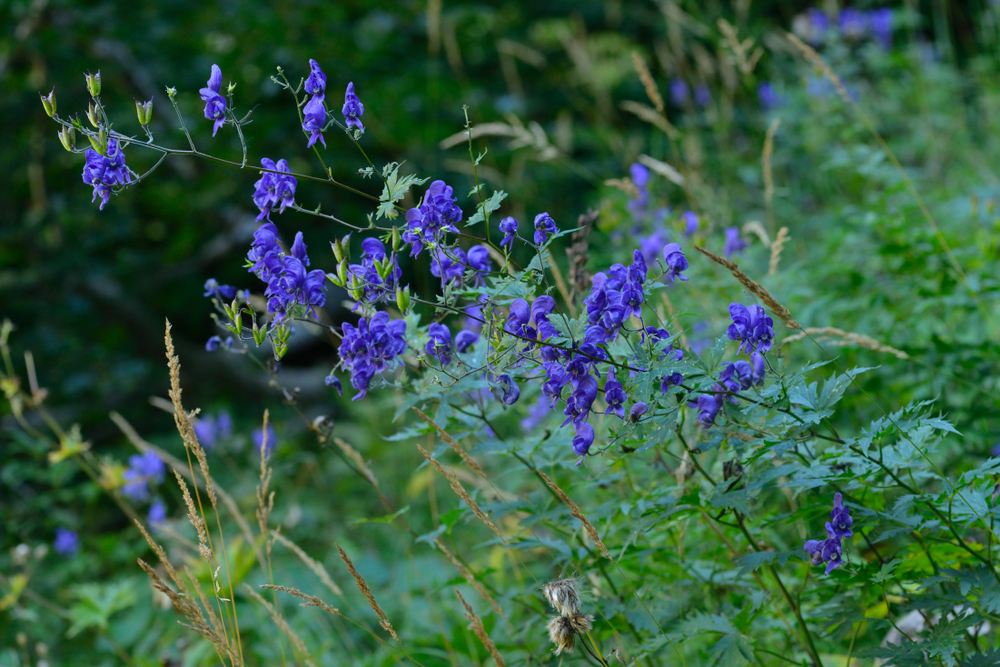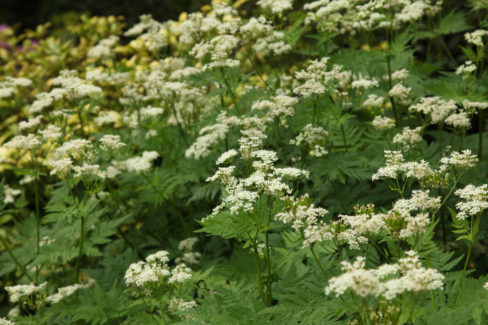
Sweet Cicely is a fantastic herb and medicinal plant that fits perfectly into any perennial bed. Originally hailing from the mountains of Southern Europe, it naturally loves hanging out at the edges of forests and in lush woodlands. If you want it to thrive in your garden, your best bet is to mimic those cozy woodland vibes.
Fun Facts About Sweet Cicely
Sweet Cicely belongs to the Umbellifer family and is actually the only species in its genus, *Myrrhis*. It’s a hardy perennial with a deep taproot and sturdy, upright stems. One of the best things about it is how early it pops up in the spring, keeping its soft, fern-like, fuzzy leaves all the way until late autumn. Those bright green, feathery leaves grow alternately along the stem, and while the plant usually hits about 2 feet tall, it can reach up to 3 feet once it starts blooming. Plus, it’s super versatile—you can use it as both a culinary spice and a medicinal herb.
The real showstoppers are the impressive double-umbel flower heads, made up of countless tiny, delicate blossoms. They show up from late April through June, smelling wonderfully like anise (licorice!). They aren’t just pretty to look at, though; they’re a vital food source for:
- Bees
- Bumblebees
- Butterflies
Finding the Perfect Spot
Because it’s so hardy and has such beautiful blooms, Sweet Cicely is a favorite for home gardeners. Luckily, it’s not very picky! Ideally, you’re looking for a spot that:
- Is in partial shade (under tall shrubs or in front of a hedge is perfect)
- Has humus-rich soil
- Stays consistently moist
- Feels fresh and cool
- Contains a bit of lime
- Mimics the characteristics of a forest floor
If you have standard garden soil, you can give it that “forest feel” by mixing in a little peat and some dry pine needles. Don’t worry if you only have a sunny spot with sandy soil—you can still grow Sweet Cicely! It’ll do just fine there as long as you’re diligent about watering it regularly.
Planting and Care
You’ll want to choose your spot carefully before planting, because Sweet Cicely grows a long taproot that makes it really tough to move later on. Once it’s settled in, though, it’s incredibly low-maintenance. If it’s in the right spot, you might not even need to water it, as those deep roots are great at finding moisture underground.
In late autumn, the stems above ground will die back. Once they’re dry, you can simply pluck them away from the rootstock. Just a heads-up: this plant loves to spread its seeds after flowering, so you’ll likely see plenty of little seedlings popping up in the spring. You can keep a few to grow as new plants or just pull the extras out to keep things tidy.