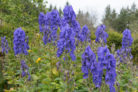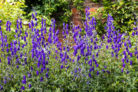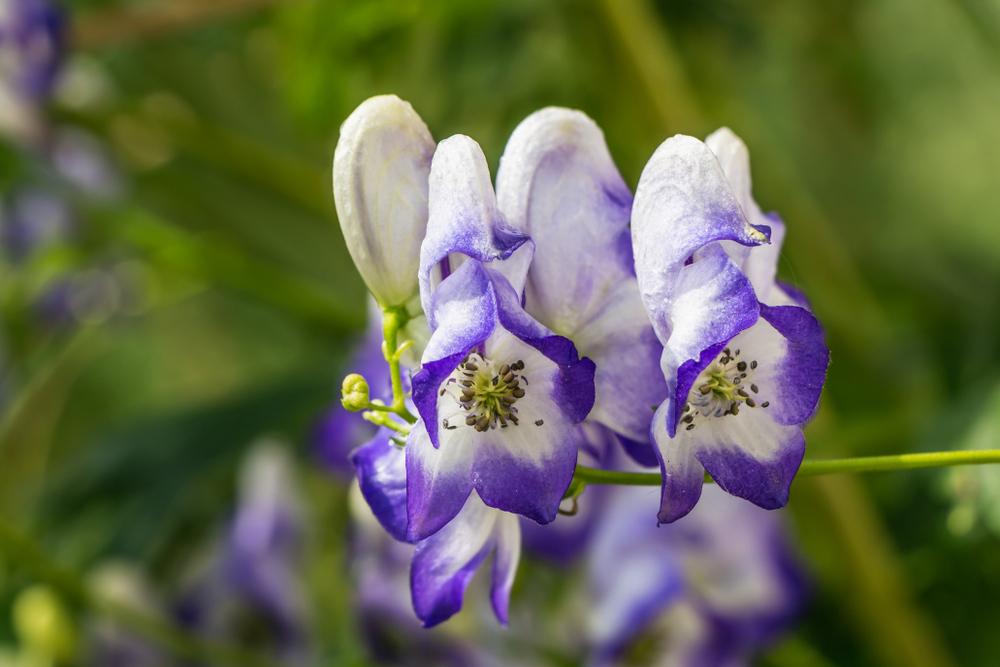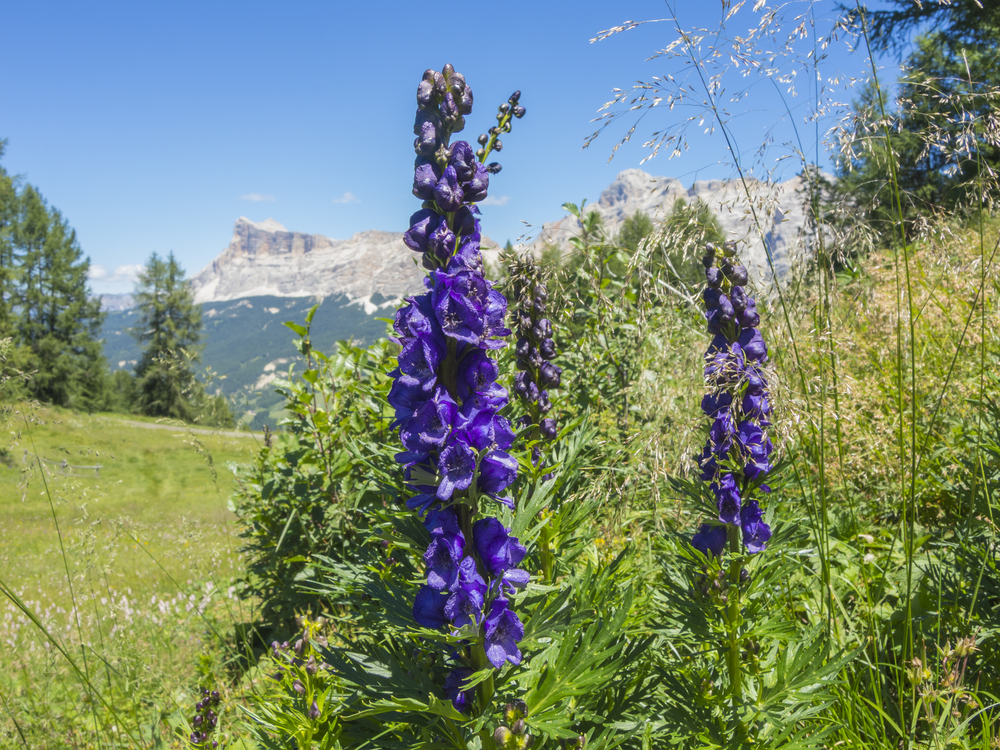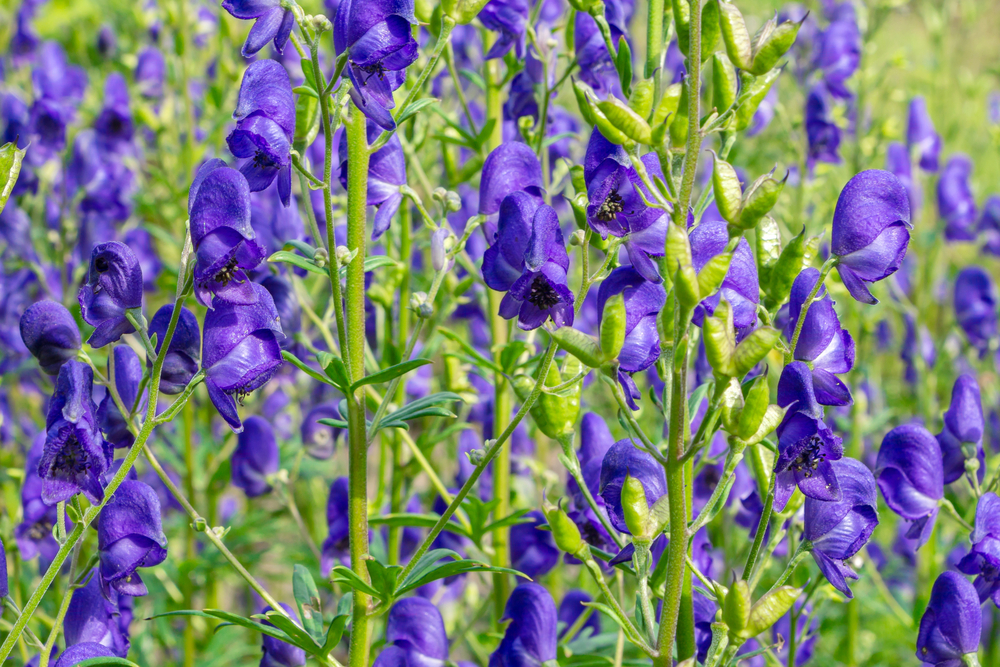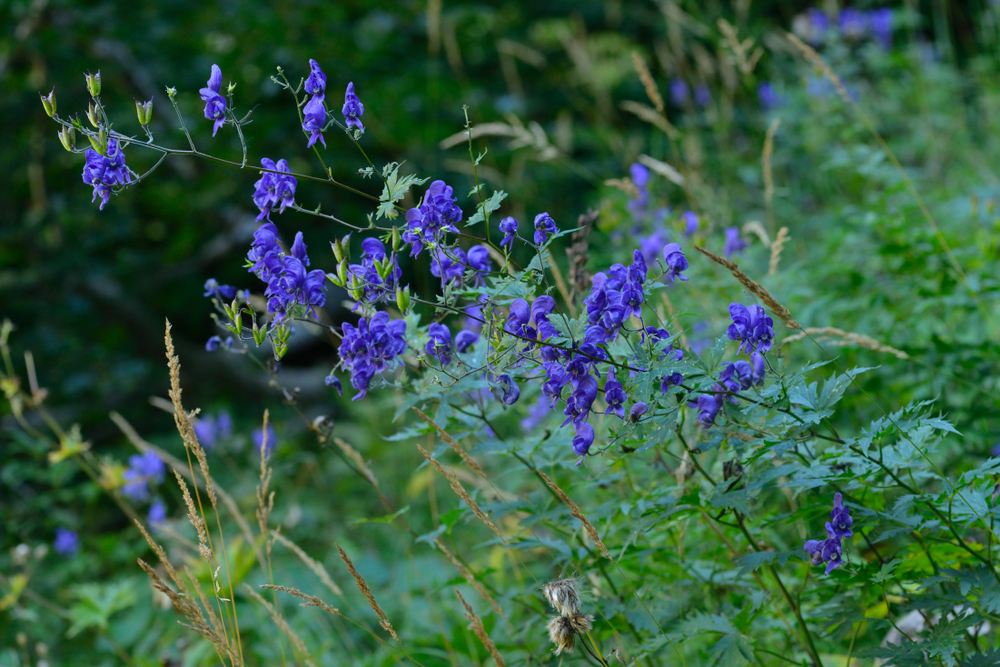
Monkshood (Aconitum napellus) is one of those plants that really divides the gardening community. On one hand, those deep blue, hooded flowers are absolutely stunning. On the other hand, we’re talking about one of the most poisonous plants you can put in a garden. If you’re up for the challenge and don’t mind the risk, you just need to be extra smart about where you plant it.
Keep It Off the Beaten Path
The number one rule for picking a spot for Monkshood? Keep it away from walkways. This isn’t just a “don’t eat it” kind of plant—it’s actually toxic to the touch. A quick brush against the leaves can cause a nasty rash, and longer contact can lead to numbness or even localized paralysis. You’ll want to be incredibly careful whenever you’re working near it, and that goes double for handling the seeds.
Monkshood Loves the Shade
In the wild, Monkshood feels right at home in the high mountains of Europe. Because of those alpine roots, it prefers things on the cooler side. It really thrives in full to partial shade. Don’t worry too much about a breeze; Monkshood is generally pretty hardy when it comes to wind and weather.
Rich, Cool Soil
Just as important as shade is moisture—both in the air and in the ground. Monkshood loves soil that is rich in nutrients and organic matter (humus). It prefers a soil that stays moist but drains well, and it doesn’t mind a bit of clay. To keep the roots nice and cool, try planting a compatible groundcover around the base. It acts like a natural mulch, shielding the root zone from the heat of the sun.
When you’re scouting out the perfect spot for Monkshood in your yard, keep these key factors in mind:
- Plenty of shade
- Nutrient-rich soil
- A cool, moist environment
- Tucked away from paths and high-traffic areas