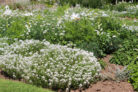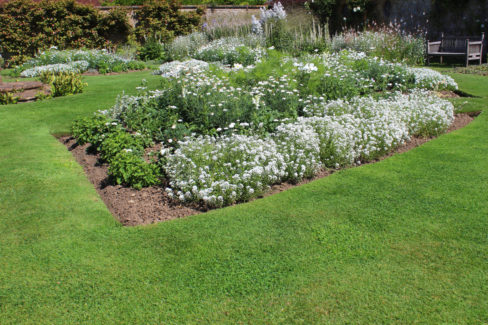
If you’re looking for a plant that loves the heat, craves the sun, and actually prefers to be left a little thirsty, look no further than Baby’s Breath! When you give this plant exactly what it wants, it rewards you with a stunning, cloud-like explosion of blooms. Just a heads-up: if you’re planting the taller varieties, try to find a spot shielded from heavy winds so those delicate stems don’t take a tumble. Overall, Baby’s Breath is a super easy-going, hardy addition to any garden. Here’s everything you need to know to help yours thrive.
Soil Secrets: Keep it Dry and Lean
Baby’s Breath (or *Gypsophila paniculata* if you want to get fancy) is all about loose, well-draining soil. In the wild, these plants naturally grow in sandy, stony areas, so they absolutely hate “wet feet.” If the soil stays too soggy, they won’t be happy.
If you’re worried about a summer breeze knocking over your taller perennials, a sturdy plant support works wonders. Planning to grow them in pots or balcony boxes? Just make sure to add a solid drainage layer of broken terracotta or gravel at the bottom.
Quick tips for the perfect spot:
- Pick a location that is warm, dry, and gets plenty of sunshine.
- Aim for soil that is loose, well-draining, and not too rich in nutrients.
- They love a bit of lime in the soil!
- Low-growing varieties look amazing tucked into stone walls.
- Keep the tall guys in a spot protected from the wind.
Location is Everything for Growth
How tall your Baby’s Breath grows depends a lot on where you plant it. If the conditions aren’t quite right, it might end up about 8 inches shorter than it would in its “dream home.”
The upright stems branch out like crazy as they grow, while underground, a thick taproot digs deep into the garden soil. If the plant isn’t feeling the love—especially if it’s stuck in the shade—you’ll see fewer flowers. In fact, without enough light, it might not bloom at all!
Spring is Planting Time
The best time to get your Baby’s Breath in the ground is springtime. You can start planting your young starts as early as March. Just make sure to loosen the soil nice and deep before they go in. Since these plants like to spread out, give them plenty of elbow room—at least 24 inches between plants. If you’re filling a larger area with the tall varieties, two plants per square yard is usually plenty.
Watch Out for Soggy Roots
Once it’s settled in the right spot, Baby’s Breath is incredibly low-maintenance and rarely deals with pests or diseases. The only thing to watch for is slugs, which tend to have a taste for the young plants in the first few weeks. Other than that, the biggest danger is overwatering; if the soil stays too wet, root rot can set in pretty quickly. Keep it dry, and you’re golden!