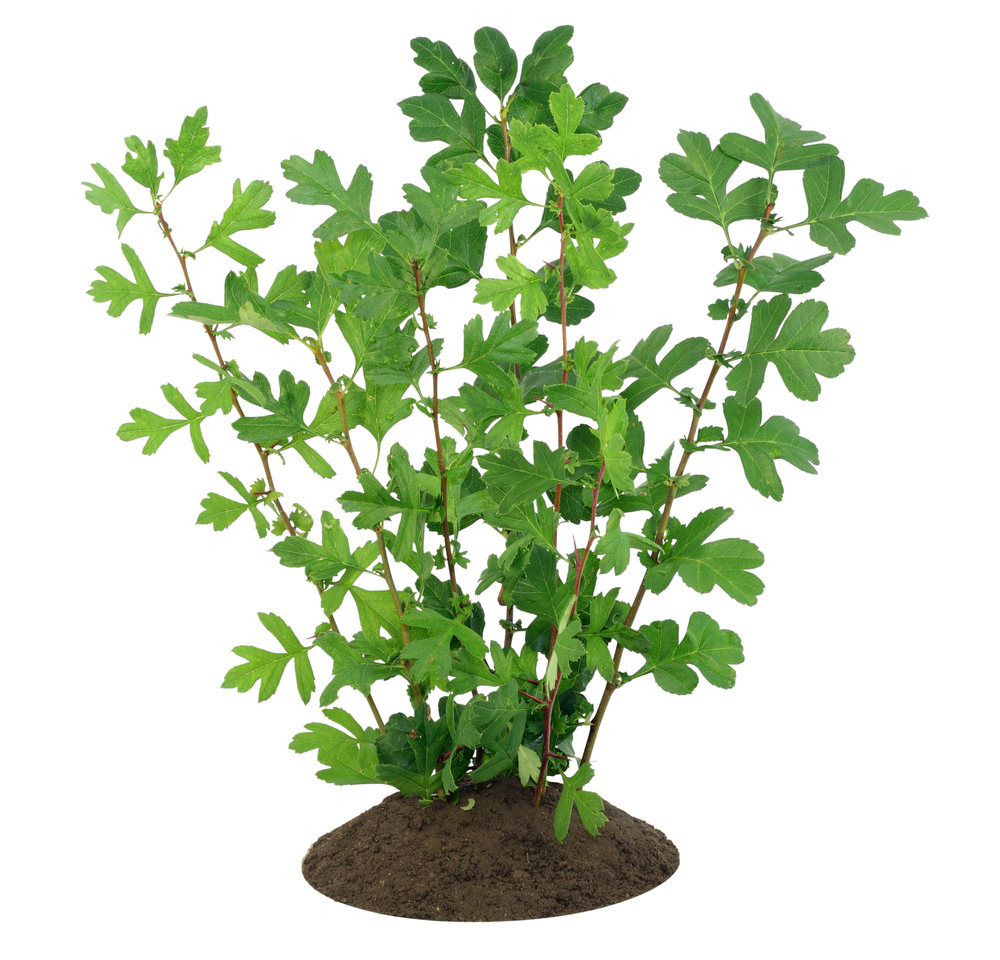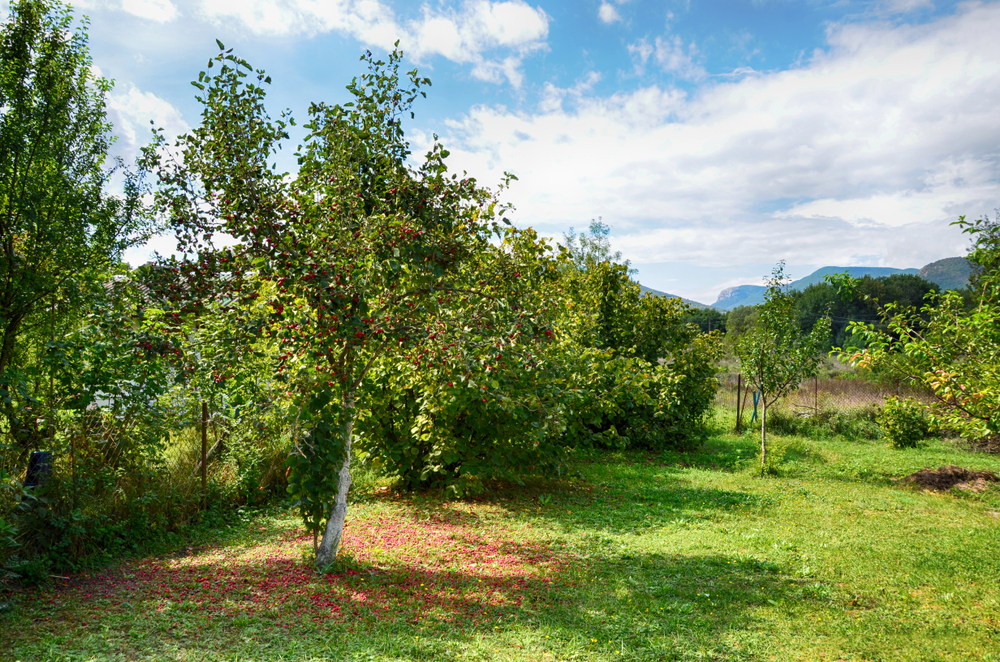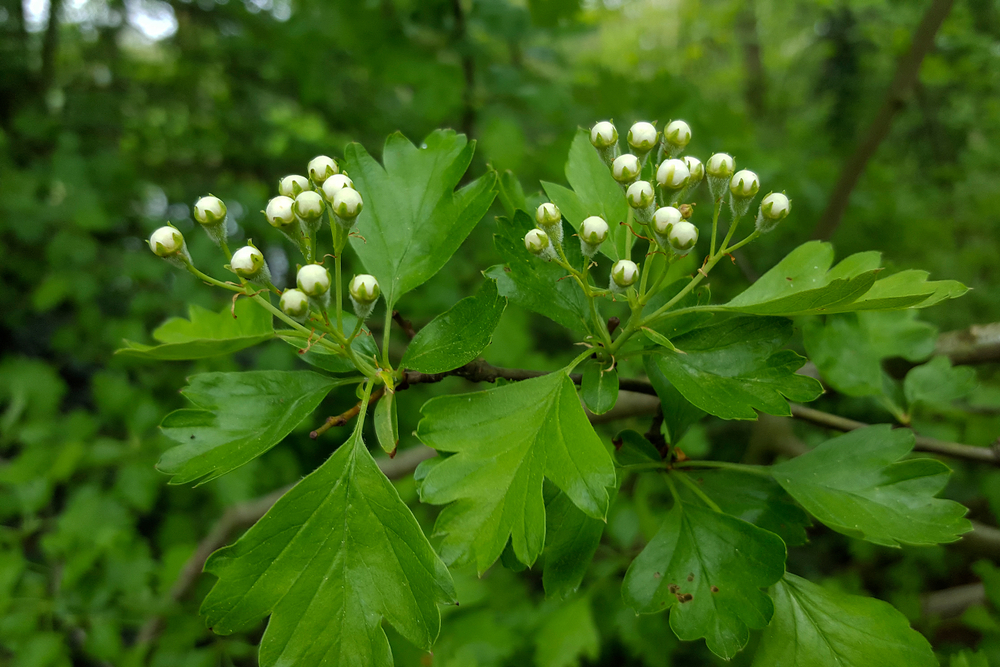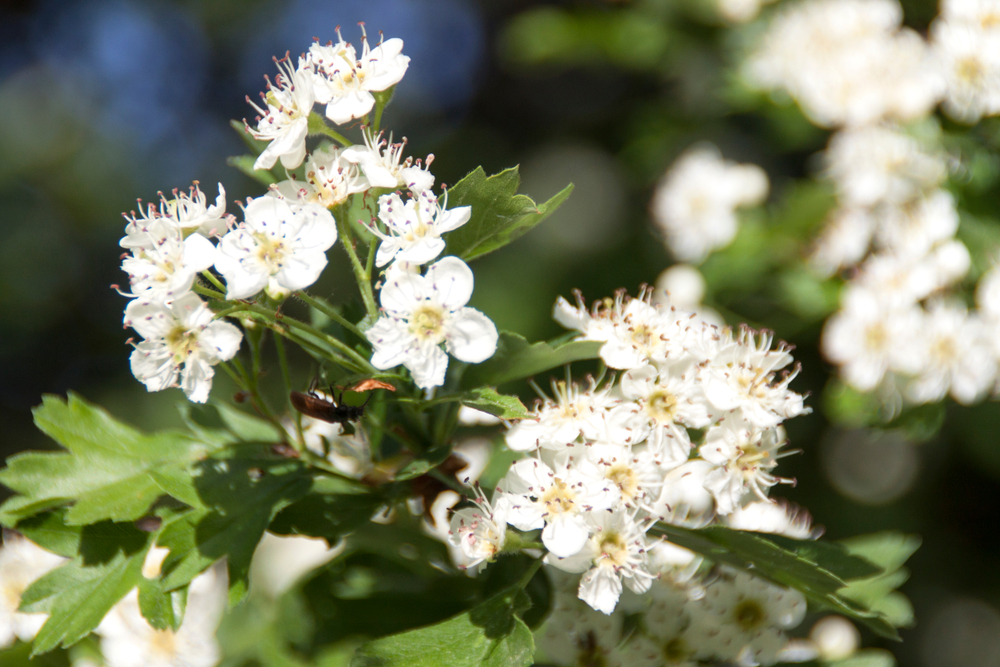
Hawthorn is a classic native plant with a long, storied history. While you’ll often spot wild varieties growing along sunny forest edges and thickets, this member of the rose family is also a huge favorite for home gardens. Finding the perfect spot for one isn’t rocket science, but there are a few key things to keep in mind to help it thrive.
Hawthorn loves soaking up the sun
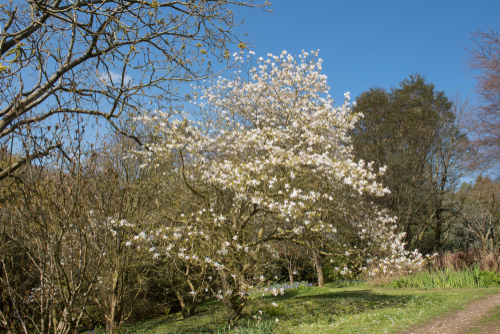
If you want a happy hawthorn, give it a sunny spot. While it can tolerate partial shade, full sun is always the better choice. Why? Because shade usually means fewer flowers, and nobody wants to miss out on that beautiful spring display. If you want to dive deeper into the details, you can check out more about hawthorn blossoms here.
One of the best things about hawthorn is how tough it is—it handles heat and stagnant air much better than it handles deep shade. You’ll often see these shrubs marketed as “shade-tolerant,” but in reality, partial shade is about as much as they can take. On the plus side, they are incredibly wind-resistant, so they’re a great choice for open, breezy areas. You can find more tips on planting your hawthorn in this article.
Low-maintenance soil requirements
When it comes to soil, hawthorn isn’t particularly picky, though it definitely doesn’t like “wet feet” (soggy soil). A standard garden soil with a bit of sand mixed in is usually just right. Interestingly, the two main types of hawthorn have slightly different preferences in the wild:
Common Hawthorn (Single-seeded):
- Prefers lime-rich (alkaline) soils.
- Naturally found in flat, lowland areas.
Midland Hawthorn (Two-seeded):
- Has a bit more tolerance for acidic soil.
- Often found at higher elevations.
You can read more about the different native hawthorn species here.
In a garden setting, however, hawthorn is incredibly adaptable to almost any soil type. Since it’s a deep-rooted plant, it can handle dry spells like a pro. That said, don’t forget to give it a drink during long droughts—keeping the soil from getting bone-dry helps the plant stay strong against pests and diseases.
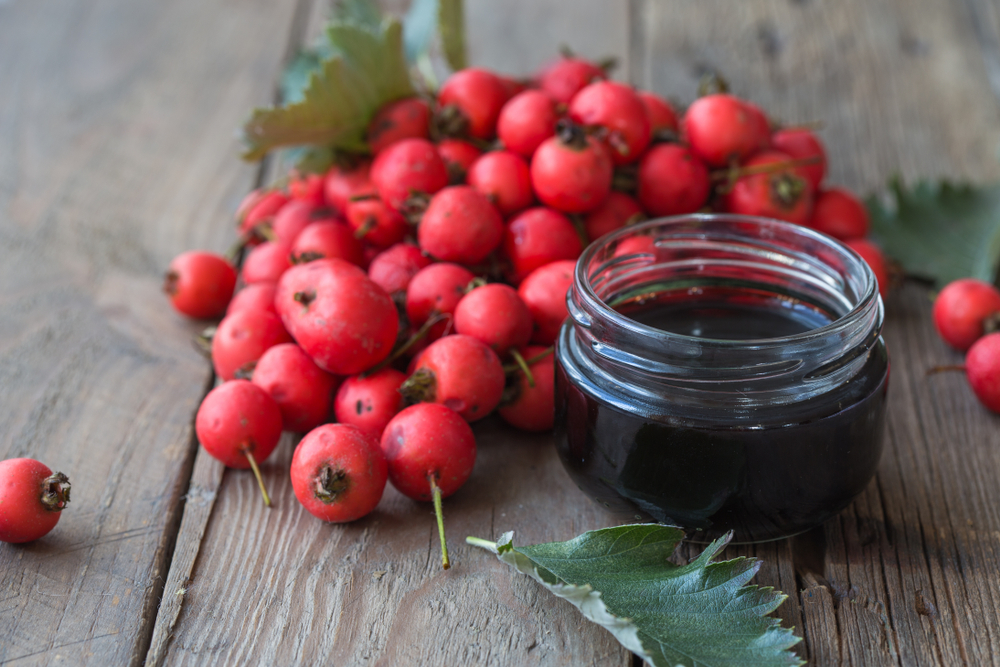
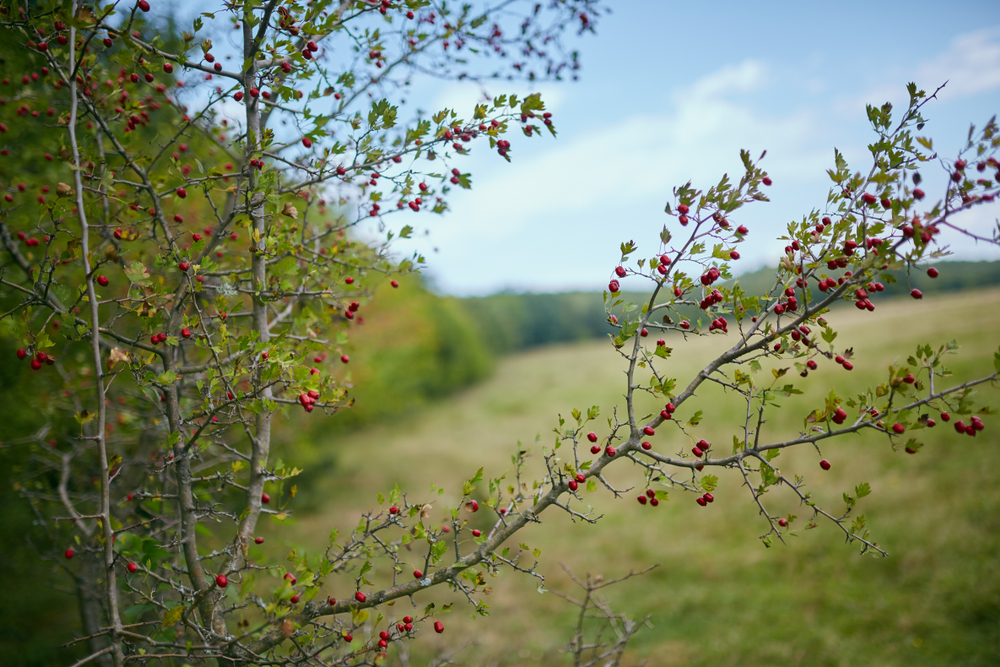
For a stunning garden look, try planting hawthorn near a perennial bed. It looks amazing alongside daisies or delphiniums, especially when it’s in full bloom. It also pairs beautifully with early spring bulbs like snowdrops or tulips. And don’t forget about the fall—the bright red berries look spectacular against a backdrop of colorful autumn leaves!