If you’re looking for a majestic shade tree with a stunning canopy, the Sycamore Maple (Bergahorn) is a fantastic choice. Not only does it look impressive in a large landscape, but it also brings a lot of unique character to your yard. Let’s dive into everything you need to know about its growth habits and what makes this tree so special.
Name and Botanical Classification
The Sycamore Maple is one of the most imposing deciduous trees out there. It’s famous for its beautiful foliage and its ability to reach towering heights. Botanically speaking, it belongs to the soapberry family (Sapindaceae), which also includes horse chestnuts. You’ll recognize it instantly by its classic maple-shaped leaves.
- Botanical Name: Acer pseudoplatanus
- Family: Sapindaceae (Soapberry family)
Growth Habits
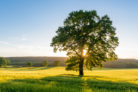
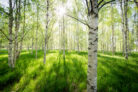
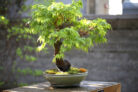
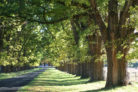
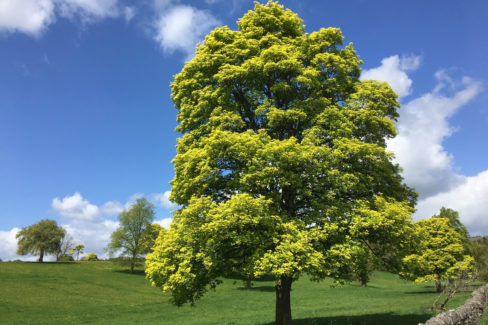
The first thing you’ll notice about a Sycamore Maple is its massive, rounded crown and sturdy trunk. This impressive stature is thanks to the Sycamore Maple’s fast growth rate. If you’re worried about it outgrowing your space, you can manage its size with some strategic pruning. Interestingly, if you love the look but don’t have the acreage, you can even grow a Sycamore Maple as a bonsai to keep it at tabletop height!
- Height: Typically 50 to 65 feet, though some can reach up to 130 feet.
- Canopy Spread: The crown usually spans between 30 and 50 feet wide.
- Trunk Diameter: Can reach 3 to 6 feet across.
- Annual Growth: Expect about 15 to 30 inches of new growth per year.
The Foliage
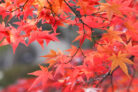
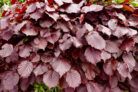
The leaves are the calling card of the Sycamore Maple. As a deciduous tree, it puts on a spectacular show in the fall when the leaves change color before dropping for the winter. It’s the perfect way to add some seasonal drama to your garden.
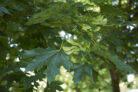
- Shape: Classic five-lobed leaves.
- Color: Deep, dark green during the summer.
- Size: Leaves are usually 6 to 8 inches long.
- Edges: Distinctly serrated (toothed) margins.
Flowering
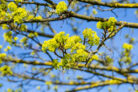
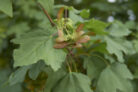
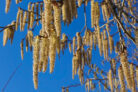
In addition to the lush leaves, the Sycamore Maple does produce flowers. While they aren’t huge or flashy, they have a subtle charm. They don’t stay in bloom for very long, but they are essential if you’re hoping to see those iconic “helicopter” seeds later in the season.
- Bloom Time: Usually in May.
- Flower Color: Yellowish-green.
- Form: Hanging clusters known as panicles.
The Fruit (Those Famous “Helicopters”)
The seeds of the Sycamore Maple are a favorite for kids and gardeners alike. These little “propellers” are designed by nature to catch the wind and spin away from the parent tree. It’s a clever way for the tree to spread its seeds far and wide.
- Fruit Type: Winged seeds called samaras (often called “propellers” or “whirlybirds”).
- Seed Dispersal: The wings allow the seeds to spiral through the air.
- Timing: Mature fruits begin to fly off the tree starting in September.
- Safety Note: Be aware that the seeds contain substances that are toxic, especially to horses.
Potential Pests and Diseases
Like any plant, the Sycamore Maple can run into some health issues, mostly from various fungi. Some common diseases to watch out for include Coral Spot, Tar Spot (which looks like black ink splatters on the leaves), and Verticillium wilt. If you notice something looks off, it’s best to act fast to keep the fungus from spreading to the rest of your garden.