Don’t let the majestic look of a Sycamore Maple fool you—even these sturdy giants have their weak spots when it comes to diseases. If you’ve noticed your tree looking a little under the weather, I’m here to help you identify the culprit and get your tree back on track.
Here are the most common diseases that affect the Sycamore Maple:
- Tar Spot Disease
- Coral Spot
- Verticillium Wilt
Identifying and Treating Tar Spot Disease
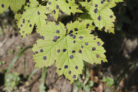
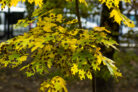
Tar spot is a fungal infection (specifically caused by *Rhytisma punctatum*) that absolutely loves Sycamore Maples. You’ll know you’re dealing with this when you see distinct black spots with yellow borders popping up on the leaves. Eventually, those leaves will turn brown and drop prematurely.
The good news? You don’t need to reach for any harsh chemicals to save your planted maple. The best fix is simply to rake up and remove every single fallen leaf from the area. This prevents the fungus from overwintering and coming back to haunt you next year. Just a heads-up: don’t toss those leaves in your compost pile, or you might accidentally spread the fungus elsewhere in your garden!
Identifying and Treating Coral Spot
Coral spot is a bit more serious because it attacks the bark and the shoots. Keep an eye out in late winter or early spring for tiny, bright red or orange pustules forming on young branches. Shortly after these appear, the affected branches will start to wither. This isn’t just a blow to your tree’s annual growth rate; it can actually put the whole tree at risk.
To handle this, you’ll need to prune your Sycamore Maple aggressively. Make sure to cut back well into the healthy wood to ensure you’ve removed all the infected tissue. Prevention is also key here—make sure your tree is happy in its environment. Avoid “wet feet” (waterlogging) by adding a drainage layer or using bark mulch, but also make sure the soil doesn’t get bone-dry during a heatwave.
Identifying and Managing Verticillium Wilt
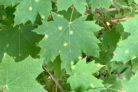
Another tough one for the Sycamore Maple is Verticillium wilt. With this disease, you’ll notice the leaves turning a pale, sickly green before they start to wilt. The pathogen essentially chokes off the tree’s internal “plumbing,” cutting off its energy and water supply, which leads to a slow decline. Unfortunately, if a tree is heavily infected, the best move is often to remove it entirely to prevent the infection from spreading to the rest of your landscape.