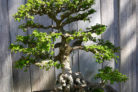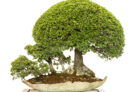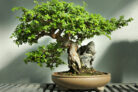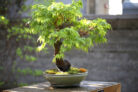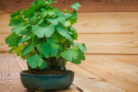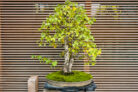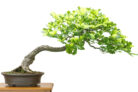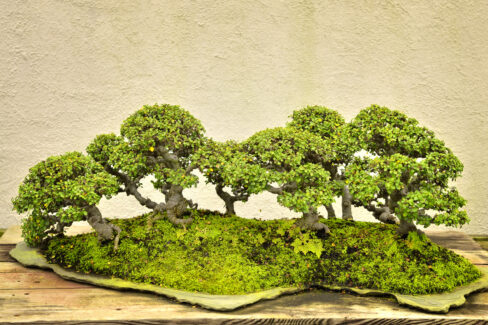
The Chinese Elm is easily one of the most popular choices for bonsai enthusiasts, and for good reason! If you’re looking to grow a stunning miniature tree, getting the care routine just right is key. Here’s the lowdown on what makes these trees tick and how to keep yours thriving.
Origins and Characteristics
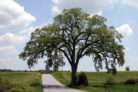
As you might have guessed from the name, the Chinese Elm hails from East Asia—specifically China, Japan, and Korea. In the wild, these beauties can tower up to 50 feet tall! Because they come from relatively warm climates and aren’t too picky about their soil, they make fantastic indoor bonsai.
To keep your tree happy, find it a bright, sunny spot. Just keep in mind that they aren’t fans of frost. As long as the temperature stays above freezing, they can handle a cooler room, but if you keep your Chinese Elm in a cozy, warm spot indoors, it’ll usually stay evergreen all year round. Pro tip: keep an eye on the leaves—they are the best indicator of your tree’s overall health.
How to Start Your Own Chinese Elm Bonsai
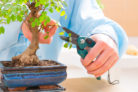
Training a Chinese Elm follows the same basic principles as most other bonsai. You’ll start by using a sharp pair of bonsai shears to trim back the roots and thinning out the top of the plant to just a few main branches. Once that’s done, settle it into a nice bonsai pot. To get that classic “bonsai look,” you’ll use wire to gently guide the branches into shape. Give it a good soak afterward, and you’re on your way!
Here’s your starter kit:
- A young Chinese Elm plant
- A bonsai pot
- Sharp pruning shears
- Bonsai wire
- A fine-nozzle watering can (bonsai mister)
Moving forward, regular pruning is your best friend. It’s what keeps the tree miniature and encourages those dense, delicate branches that make bonsai so beautiful.
Caring for Your Chinese Elm
A Chinese Elm needs a little consistent TLC to look its best. Young trees, in particular, need frequent pruning to develop a nice, bushy structure. Once your tree is a bit older and more established, you can back off the heavy trimming and just focus on maintaining its general shape.
Watering is another biggie. The “sweet spot” for these trees is to let the soil dry out just a little bit between waterings, then give it a thorough soak. Naturally, you’ll want to water a bit less during the winter months than you do during the summer heat.
Finally, don’t forget the nutrients! Use a dedicated bonsai fertilizer (you can find this at any garden center or online). Feed your tree every two weeks from spring through fall. During the winter, you can scale back to once every four weeks.