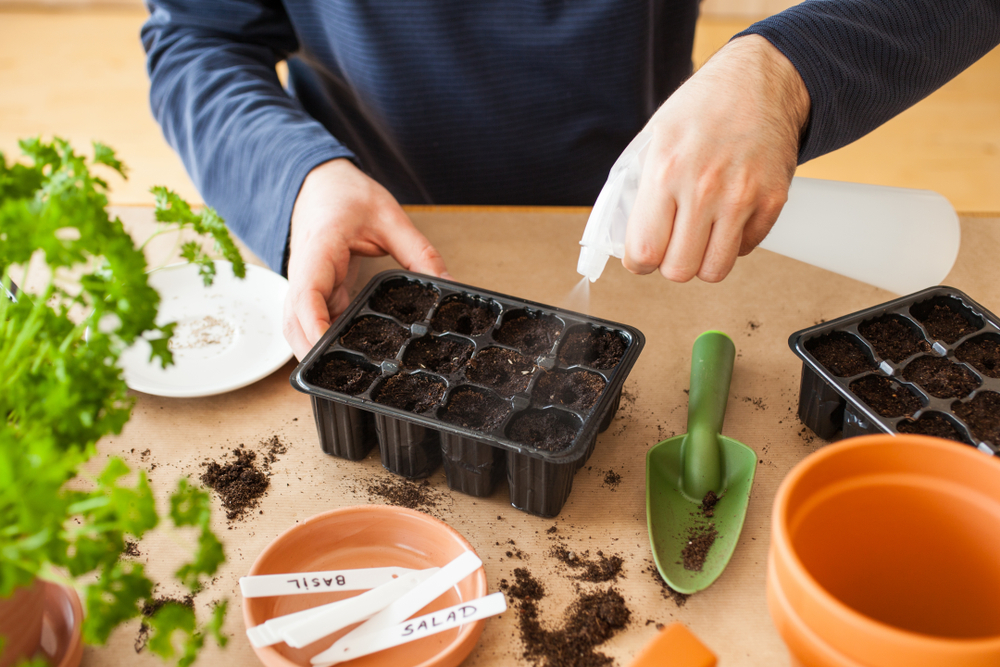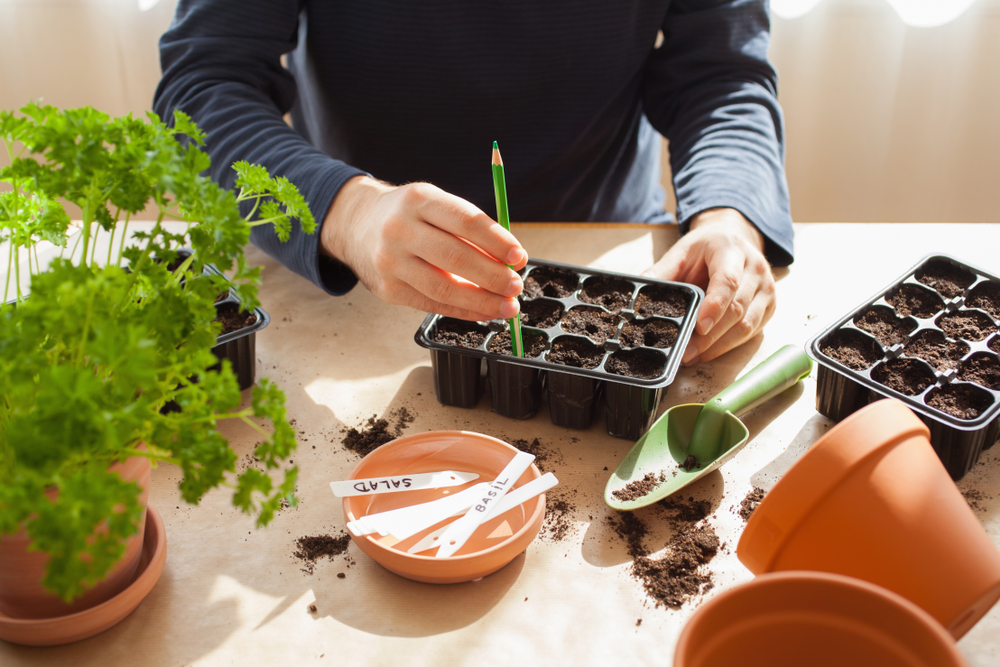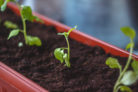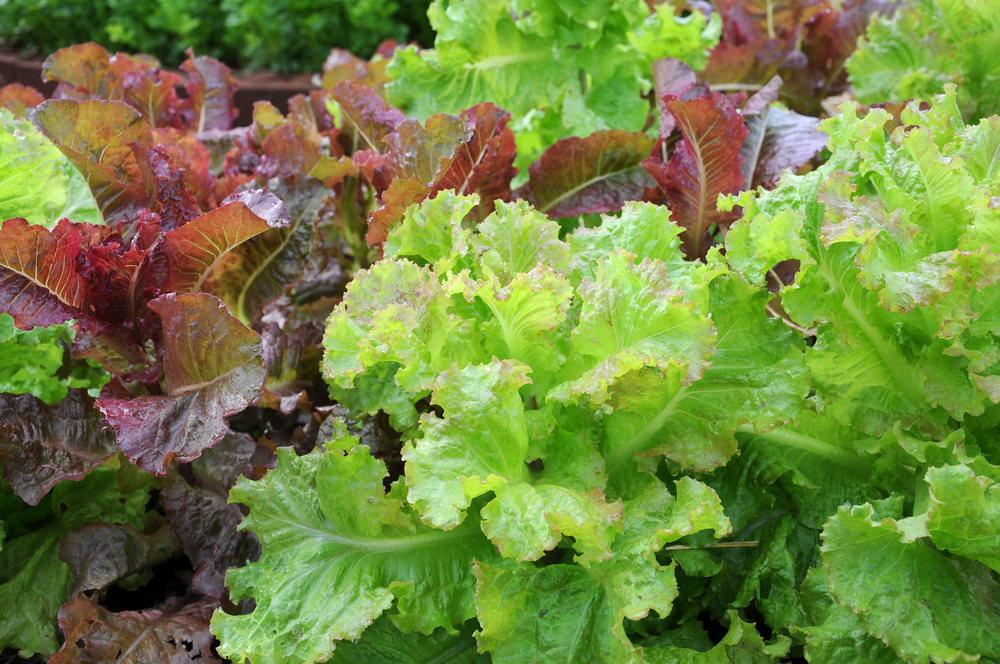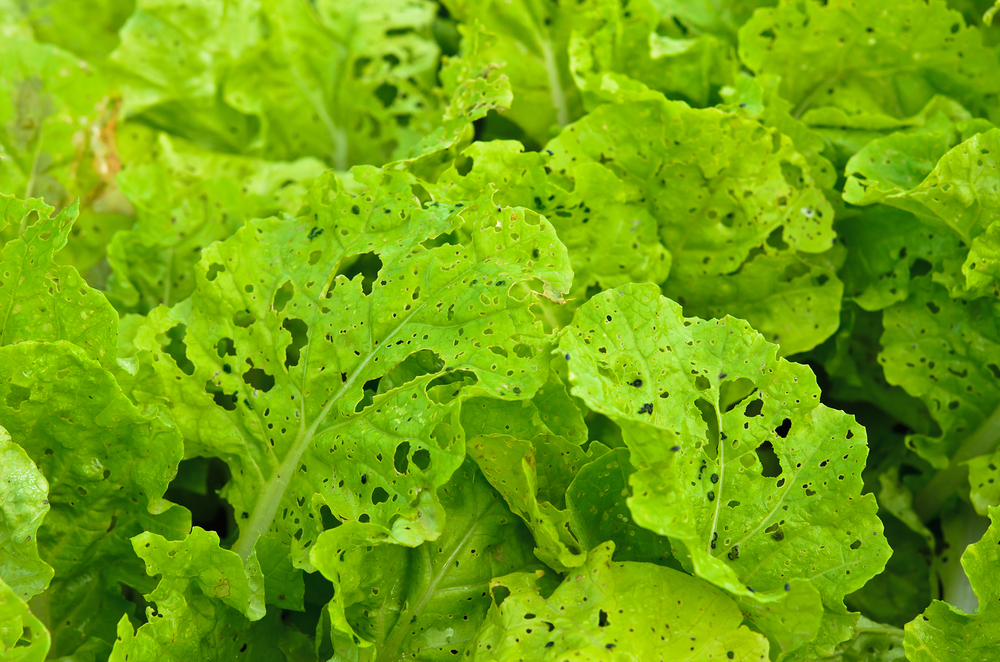
You can actually get a head start on your butterhead lettuce as early as October! Using seed starter trays is the way to go here. Don’t be afraid to sow the seeds a bit thickly at first; we’re going to “prick them out” (thin them) in a few weeks anyway. Even if you’re sowing directly into your garden beds, you’ll still want to make sure those little greens have enough elbow room later on.
Why Bother with Pricking Out?
“Pricking out” is just a fancy gardening term for thinning out seedlings that are growing too close together. Most of us sow seeds pretty heavily because, let’s face it, you can never be 100% sure every single seed will sprout. To guarantee a good harvest, we scatter plenty of seeds in the soil. However, for those individual plants to really thrive and not fight each other for nutrients and light, they eventually need their own space.
It’s the same story with lettuce. We usually start with a dense patch because germination can be a bit of a gamble. If you’re using store-bought seeds, you usually have pretty good odds. But if you’re using seeds you saved yourself from last season, it’s always smart to be generous with the sowing. You’re aiming for at least two healthy sprouts per cell or spot.
When and How to Thin Your Lettuce
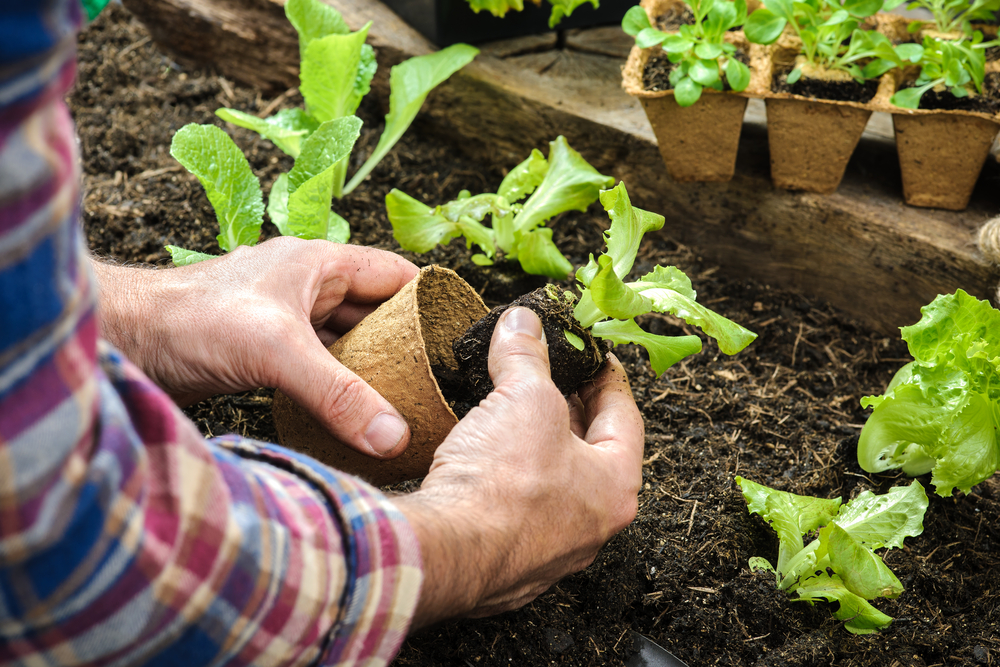
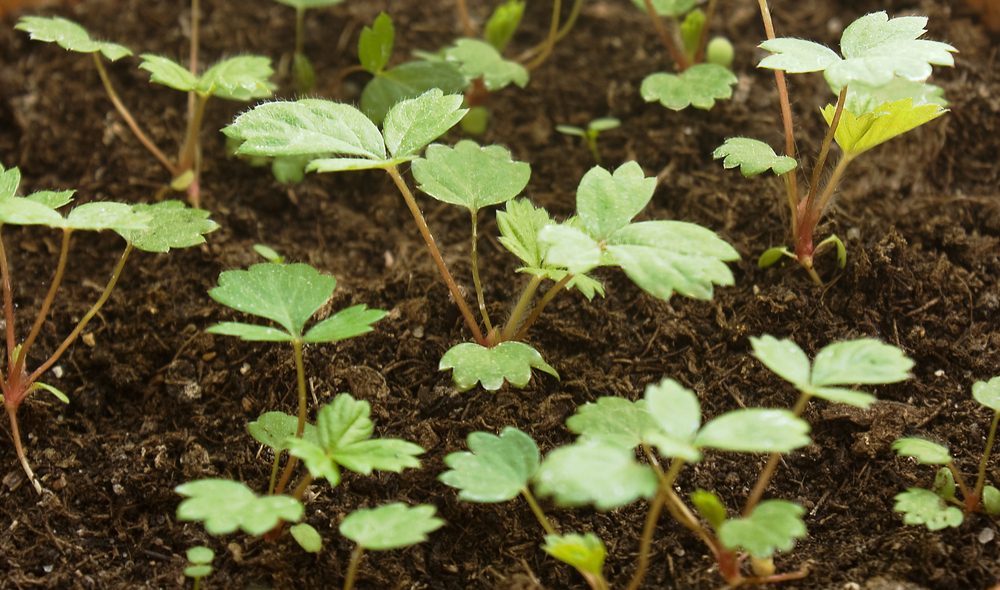
So, when is it time to give your lettuce some breathing room? A good rule of thumb is about two weeks after they sprout. Look for at least two sets of true leaves. The seedlings should be roughly an inch tall—they need a bit of “stature” to survive the move, otherwise, they’re just too delicate to handle.
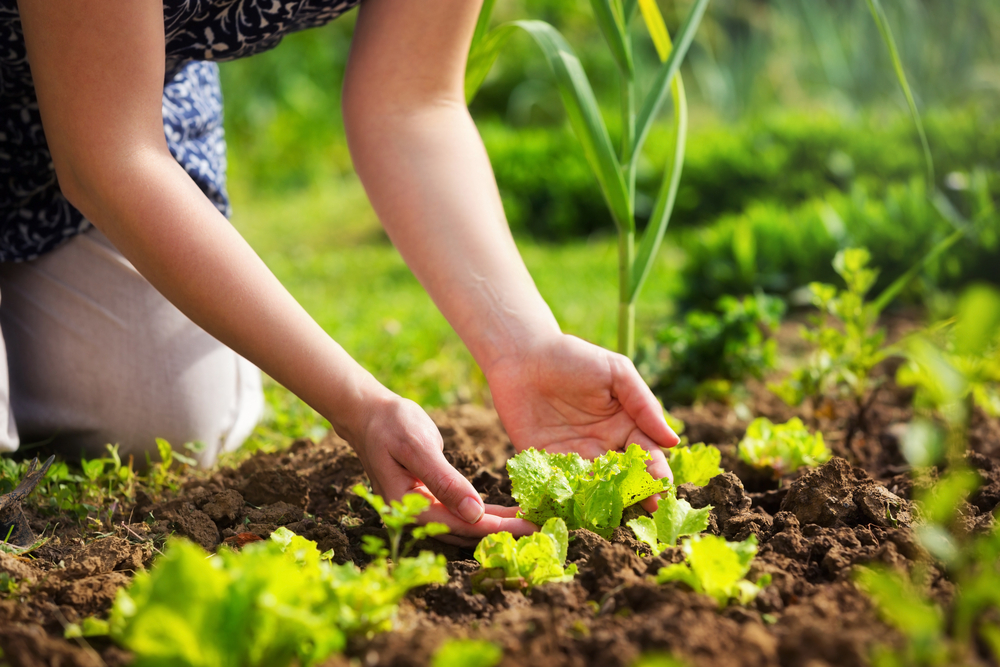
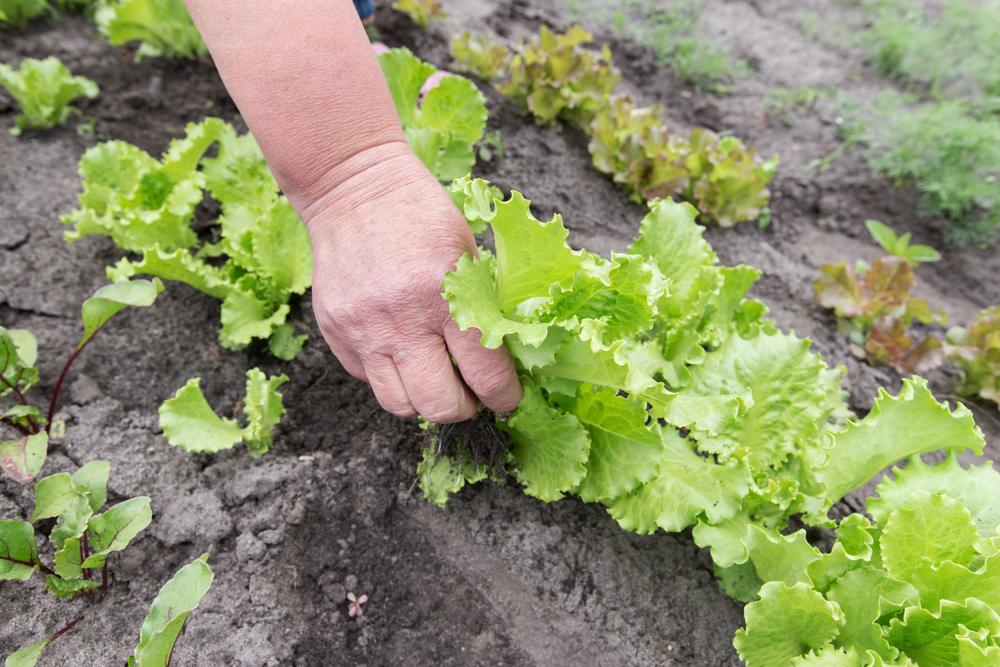
Before you start, take a look and decide which ones are the “keepers.” Start by pulling any scrawny or weak-looking sprouts. For the strong ones you want to save, gently lift them out of the soil with a steady hand—it’s super important to keep the roots intact! Then, move them to their new home, whether that’s a larger pot or directly into the garden. Here’s a quick spacing guide:
- In pots: Two or more plants, depending on the size of the container.
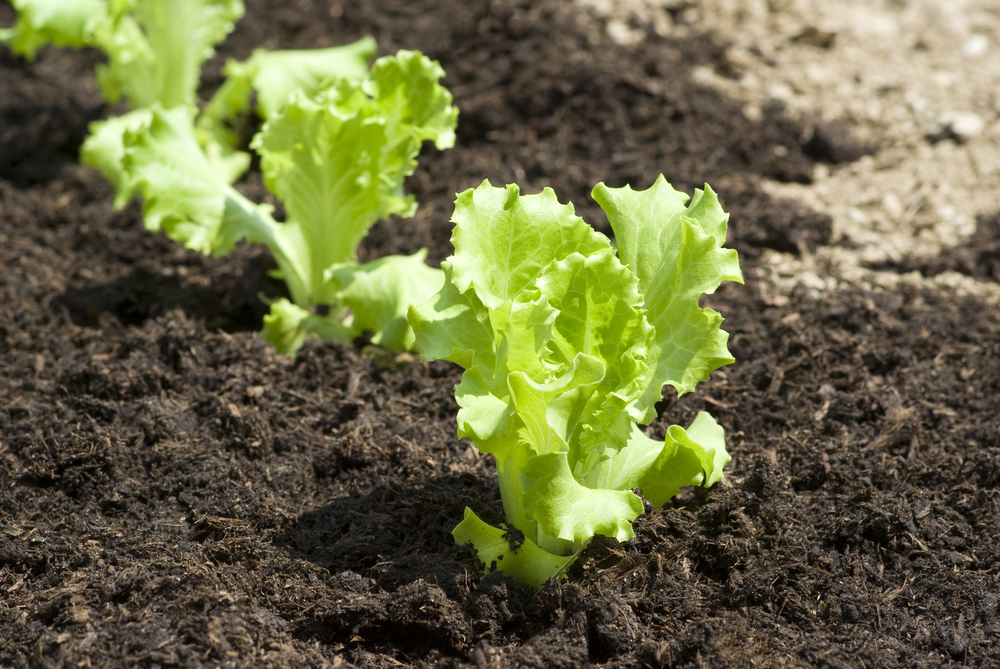
- In the garden: Space them about 10 inches (25 cm) apart.
Of course, if the idea of pulling up perfectly good seedlings makes you a little sad, you can skip the pricking out phase by spacing them correctly right from the start. Just keep in mind that you’ll need more initial garden space to account for the extra seeds you’re planting to ensure success. If you’ve got the room, feel free to use those final spacing measurements right when you first put the seeds in the ground!