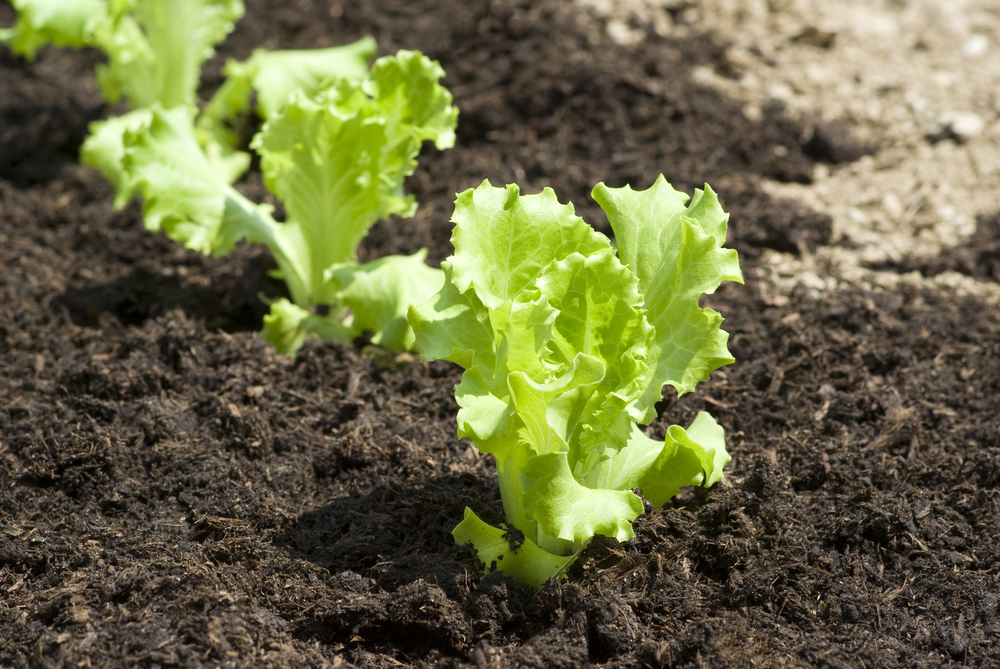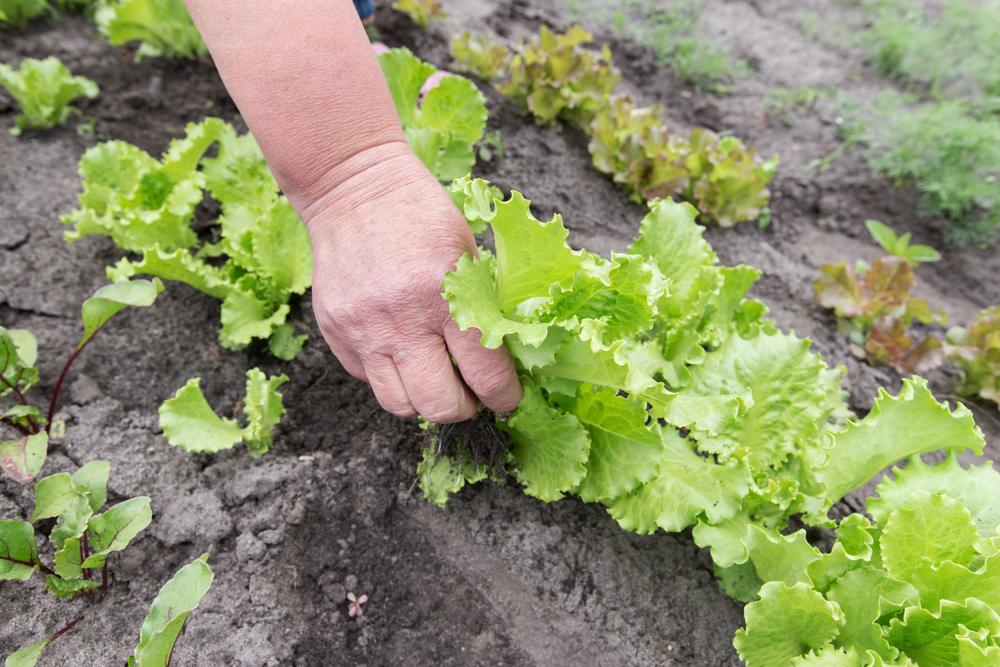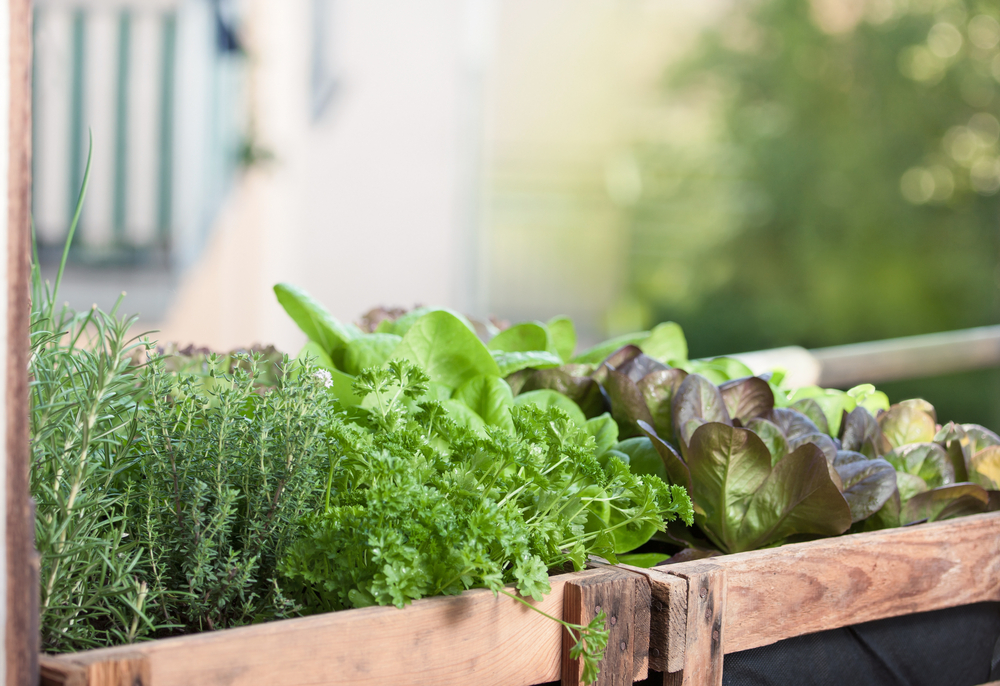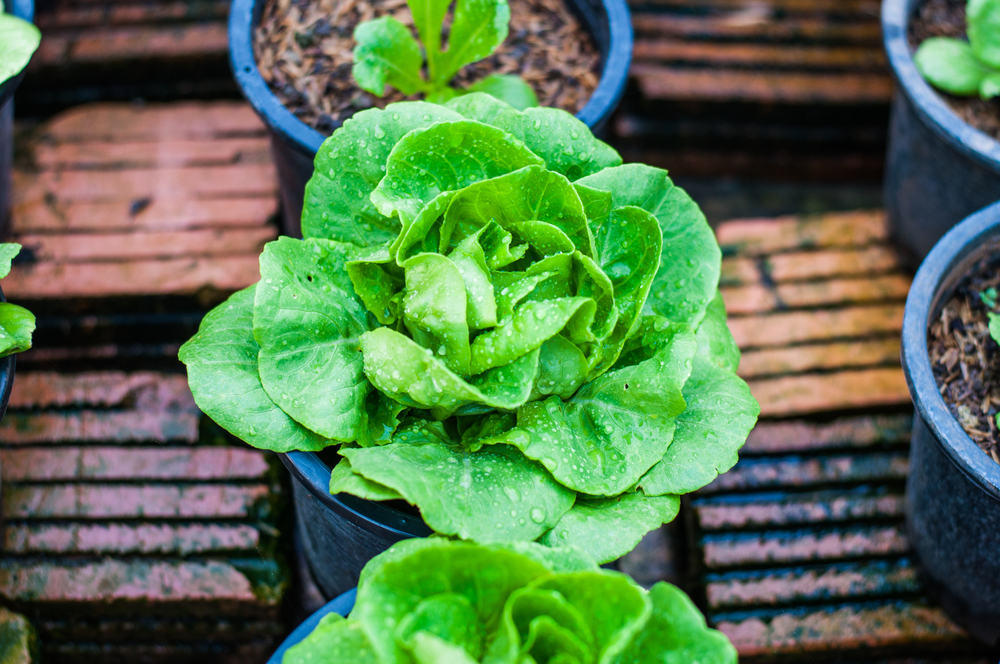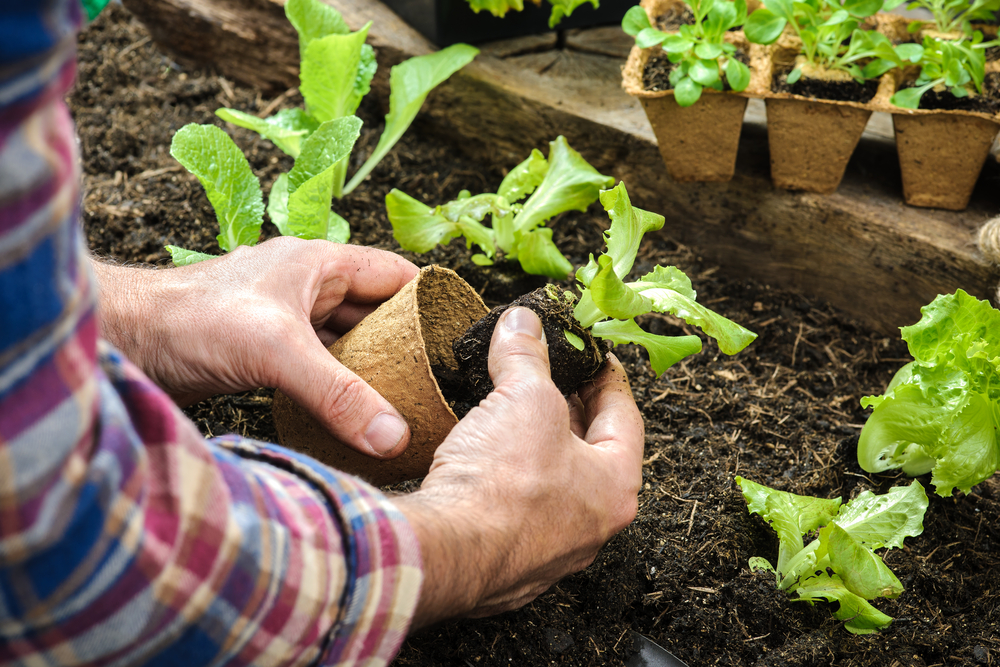
Butterhead lettuce is one of the very first veggies you can get started each year. You can actually kick off your seed starting right on your windowsill as early as February! Getting that early jump on the season means you’ll be enjoying fresh, homegrown salads way before everyone else.
The Secret to Quick Germination
To get your lettuce off to a great start, here’s what you’ll need:
- High-quality seed-starting mix (enriched with a little compost)
- Seed trays or containers
- Butterhead lettuce seeds
- Water
There are quite a few different lettuce varieties out there, some better for early spring and others for later in the season. The real trick to getting those seeds to pop is the temperature. Lettuce actually prefers things on the cooler side—aim for about 60°F to 65°F (16-18°C). If it gets too warm (above 68°F), the seeds might go dormant and refuse to sprout. On the flip side, if it’s too chilly—around 50°F—they’ll really struggle to get going.
To keep them happy, cover your trays with a clear lid or some plastic wrap to hold in moisture. Make sure they get plenty of light and stay consistently damp. One thing these little guys hate? Drafts. Try to avoid putting your trays right next to a window that you open frequently for fresh air.
Step-by-Step: Starting Your Lettuce Indoors
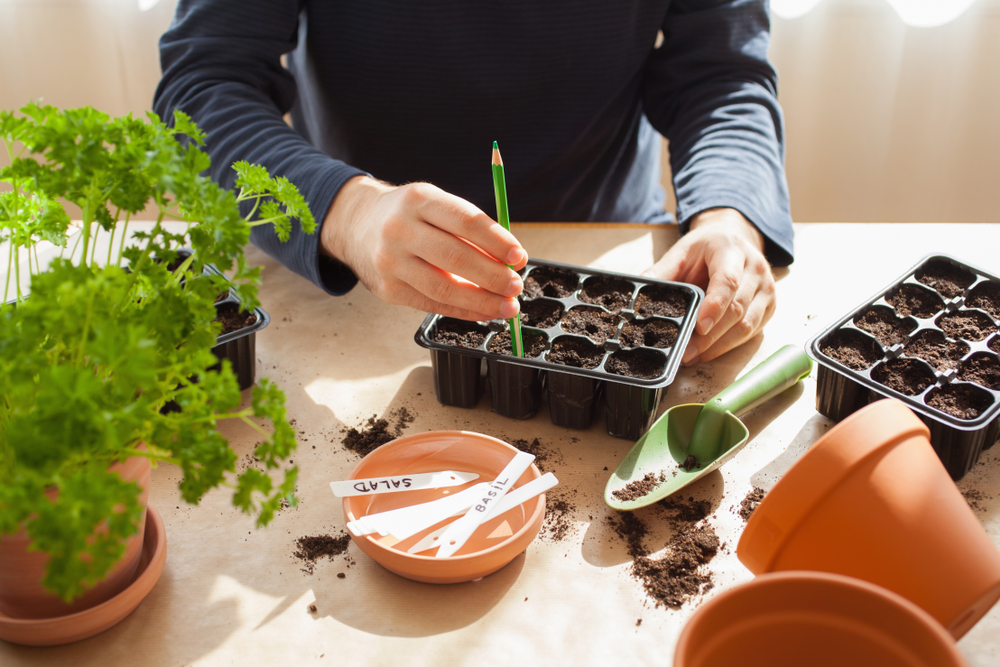
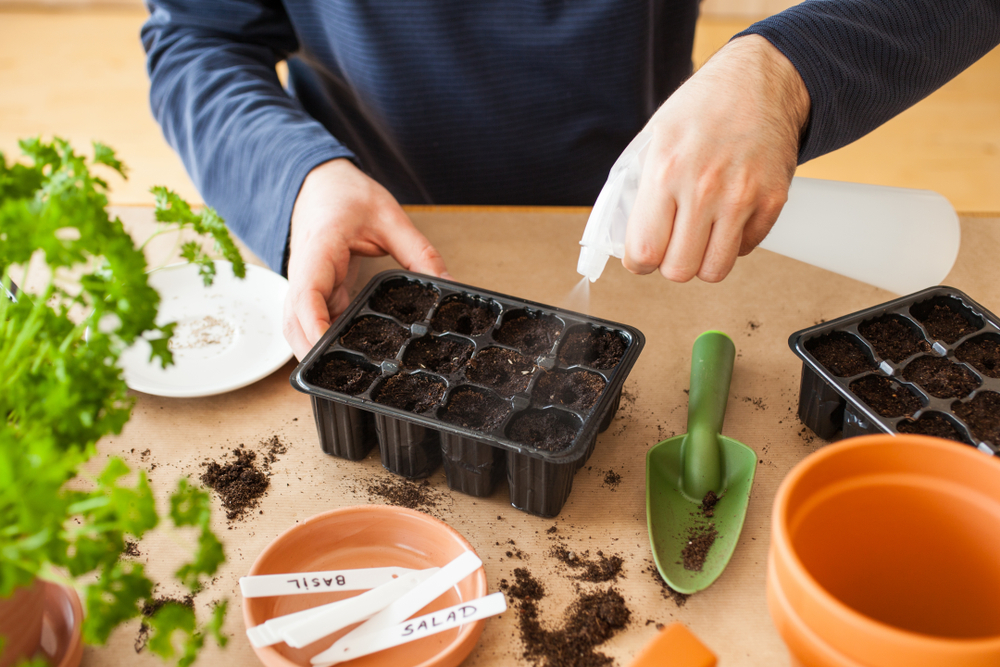
Start by filling your trays about two-thirds full with your soil mix. I like to moisten the soil a bit before I even start planting. Depending on the size of your container, drop in two to four seeds. It’s always a good idea to sow a few extra just in case some don’t sprout—you can always thin them out or prick them out later. Gently press the seeds into the soil and cover them with a very thin layer of dirt (about a quarter-inch deep).
Give them one more light misting or watering, but be careful not to wash the seeds away or leave them swimming in a puddle. If your tray doesn’t have a dome, cover it with a piece of glass or some plastic wrap to create a mini greenhouse effect. Just keep a close eye on them! As soon as those tiny seedlings start touching the cover, take it off so they have room to breathe and grow. If you have a mini windowsill greenhouse, those work great too since they offer a bit more “headroom” for the sprouts.