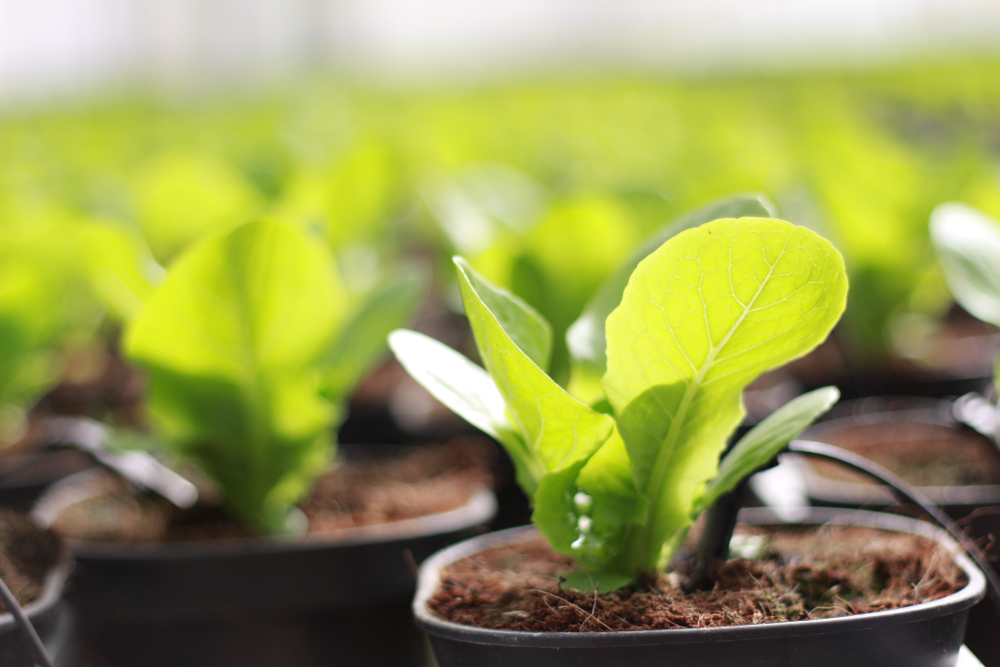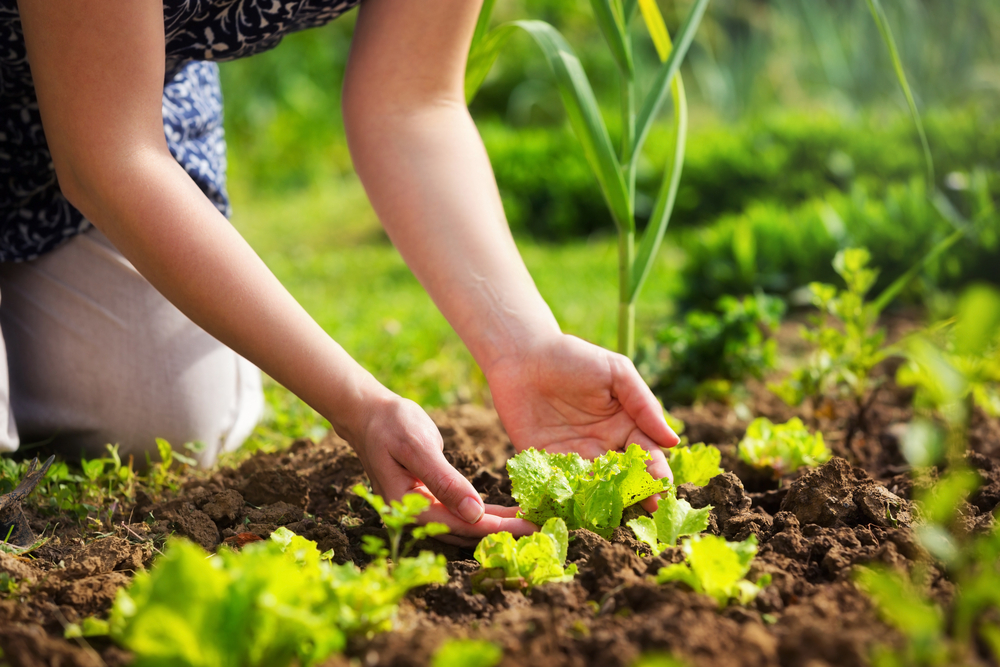
If you love the crunch of fresh lettuce, there’s nothing quite like growing your own. Homegrown butterhead lettuce isn’t just delicious; it’s packed with nutrients and way more satisfying than the store-bought stuff. Whether you’re a seasoned pro or a total newbie, here’s everything you need to know about growing and caring for your lettuce patch.
Starting Seeds Indoors vs. Direct Sowing
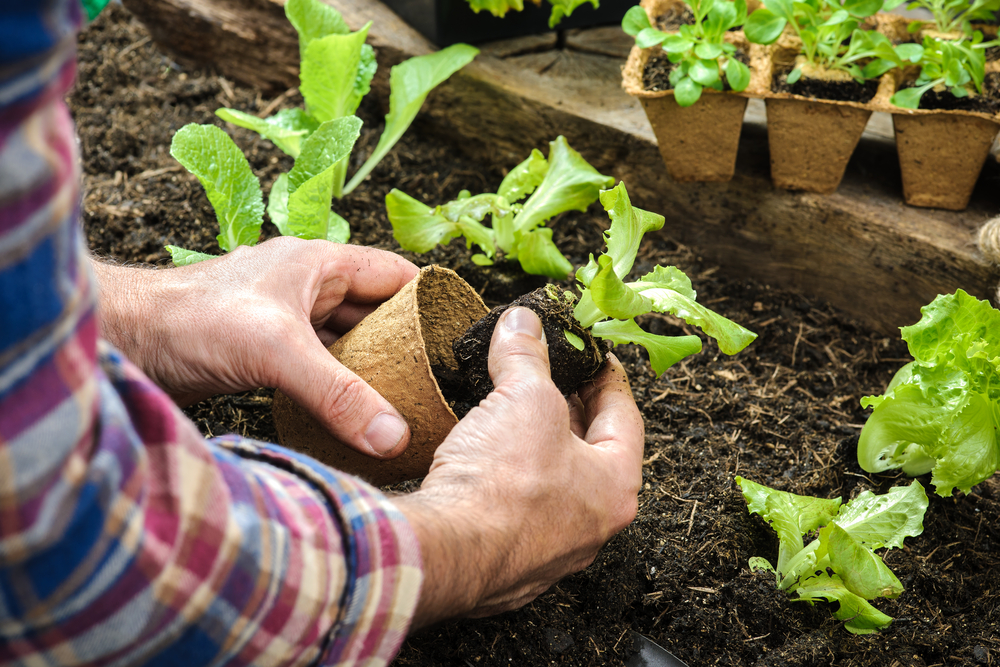
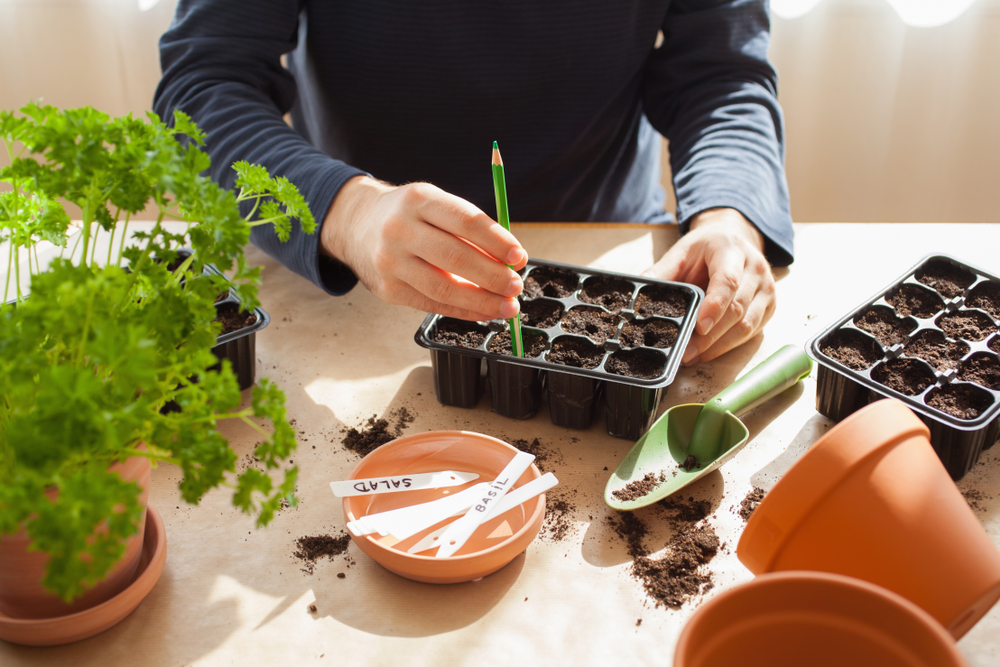
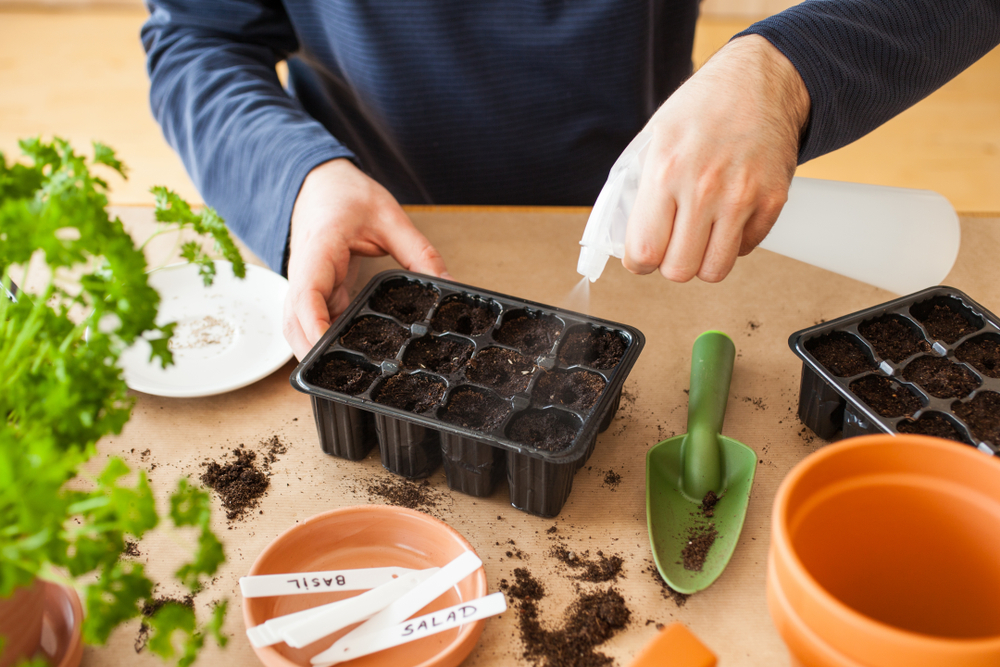
If you’re itching to get started early, you can start early-season varieties indoors as soon as January or February. Grab some seed trays and find a bright, warm spot—ideally just under 70°F. A sunny windowsill works perfectly! Once those little sprouts appear, you’ll need to prick them out (thin them) into individual pots. Wait until the danger of frost has passed before moving these babies out to the garden.
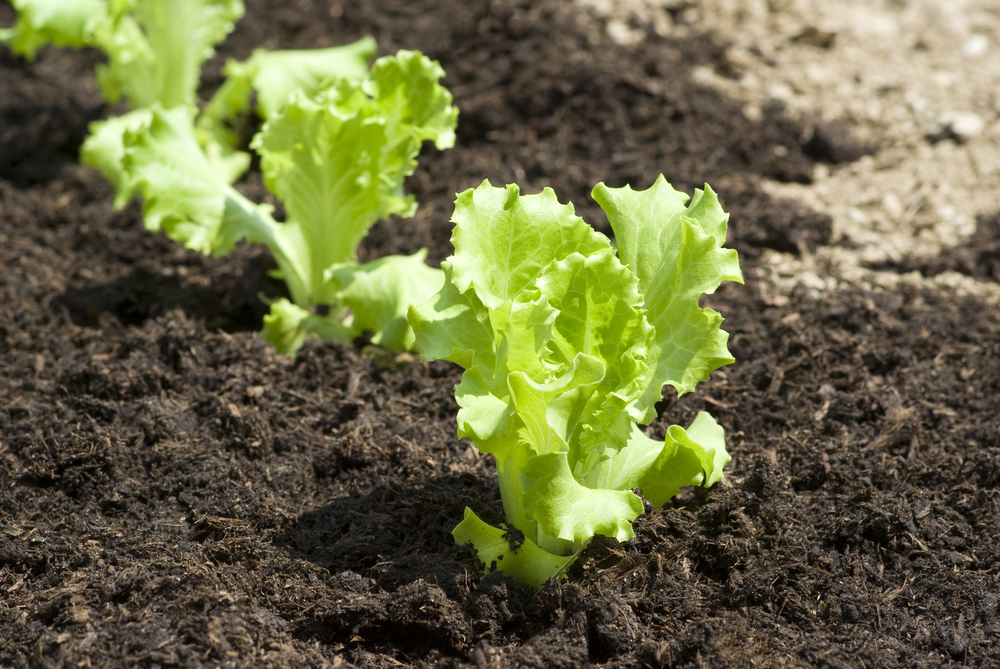
If you’re planting summer varieties, you can skip the indoor step and sow them directly into your garden beds. Depending on the variety, you can do this anytime from April through August. Plant your seeds about a quarter-inch deep. Space is key here: make sure they’re at least 10 inches apart (or 12 inches for larger varieties).
Giving your lettuce enough “elbow room” is crucial. If they’re too crowded, they’ll fight over nutrients and won’t grow to their full potential. This spacing rule doesn’t just apply to the plants themselves, but also their distance from:
- Trees
- Walls
- Garden fences, etc.
Of course, if you’re short on time, you can always pick up starter plants at your local nursery. Just be sure to follow the same spacing rules when you get them in the ground!
The Perfect Spot: Sun and Soil Requirements
Lettuce is a sun-lover. To really thrive, it needs plenty of light. Sunlight also helps dry off dew and rainwater from the leaves quickly. Why does that matter? Because lingering moisture makes your lettuce a magnet for diseases and pests, like downy mildew or those pesky slugs.
Beyond sun, good airflow is your best friend. A gentle breeze helps keep the leaves dry, so don’t feel like you need to tuck your lettuce away in a sheltered corner. Let it breathe!
As for the soil, lettuce likes it loose and rich in organic matter. Before you plant, grab a hoe or spade and loosen up the dirt. I always recommend mixing in a few gallons of compost to give your plants a nutrient boost right from the start. If you’re putting early varieties out in April, keep some garden fleece or brush handy to protect them from any surprise late frosts.
Caring for Your Lettuce
Even though we want the leaves to stay dry, the roots definitely need a drink! Lettuce needs consistent water to grow crisp and sweet. On those scorching summer days, make sure you’re watering regularly. The goal is to keep the soil consistently moist, but never soggy. Standing water is a recipe for root rot, which is a quick way to lose your entire crop.
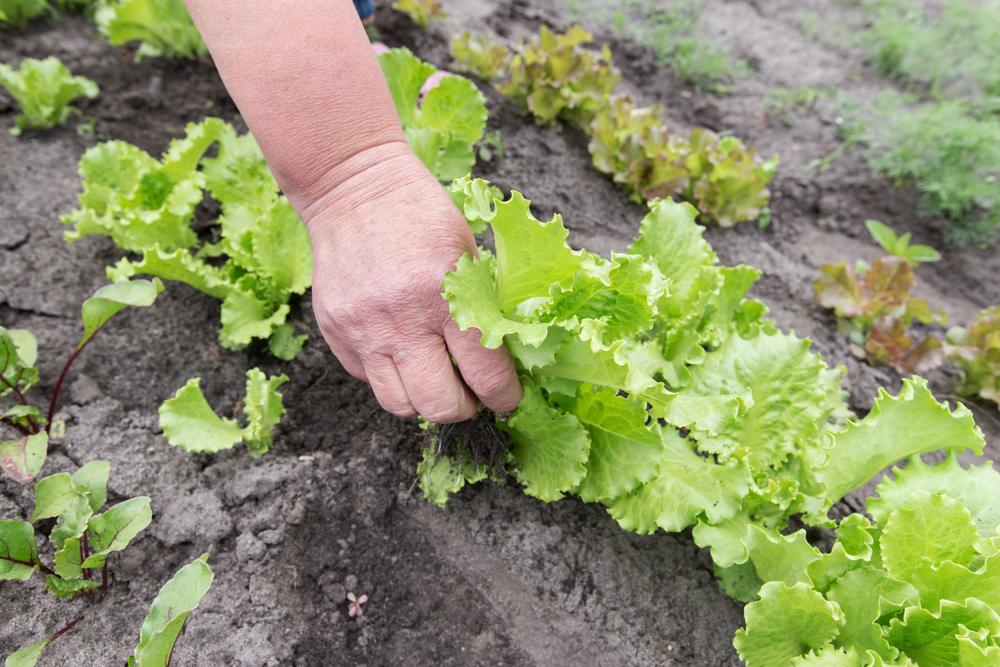
Keep an eye out for weeds and pull them regularly so they don’t steal your lettuce’s nutrients. Just be gentle so you don’t disturb the shallow roots of your plants. The best part? If you prepped your soil with compost, you won’t even need to worry about extra fertilizer. Happy gardening!