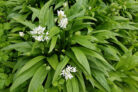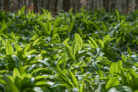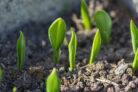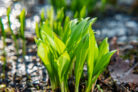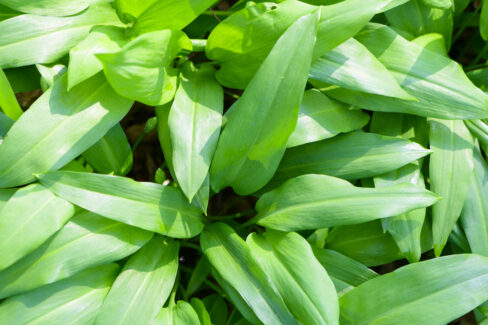
Sometimes life happens—maybe you’re redesigning your backyard or a nearby tree came down—and your wild garlic needs a new home. While you *can* move it, timing is everything. Moving these plants while they’re actively sporting green leaves takes a lot of energy out of them, so it’s best to wait until they’re dormant.
Transplanting in the Fall
If you’re planning a move, autumn is hands-down the best time to transplant wild garlic. By this point, the leaves have completely died back, and all that garlicky goodness is stored safely in the bulb. Even if you accidentally nick a few roots while digging, it’s not a big deal; those roots naturally die back over winter anyway before sprouting fresh ones in the spring.
To get started, grab a garden fork and gently loosen the soil where your wild garlic lives. You’re looking for small white bulbs. Once you find them, get them back into the ground at their new spot immediately! These little guys dry out surprisingly fast once they’re exposed to the air.
An added bonus? Moving them is a great way to help with propagating your wild garlic. When the bulbs get too crowded, the leaves start looking a bit puny and you won’t get as many of those pretty white flowers. Giving them some breathing room does wonders.
Moving Potted Wild Garlic to the Garden
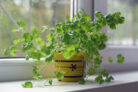
If you’ve just picked up a pot of wild garlic from the nursery or you’ve been growing some on your patio and want to move it into the ground, you’re in luck—you can do this anytime as long as the soil isn’t frozen solid.
Pick a spot that gets partial shade in the spring during wild garlic season, but stays fully shaded during the heat of the summer. This gives the plants plenty of light to grow early on, while the summer shade keeps the bulbs from drying out during their nap.
When transplanting from a pot, try to be extra gentle with the roots if the plant already has leaves. Store-bought plants often go through a bit of “transplant shock” while they adjust to their new home. My advice? Skip the harvest for the first year to let the plant really establish itself.
Aftercare Tips
If you moved your bulbs in the fall, give them a cozy “blanket” of leaf mulch once they’re in the ground. This protects the bulbs from the winter chill and, as the leaves break down, they provide essential nutrients and rich humus for the spring.
For those potted plants you moved while they were still green, the main rule is: water, water, water. Make sure the soil stays consistently moist until the plant naturally dies back for the season.