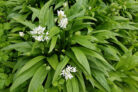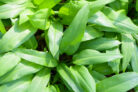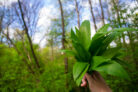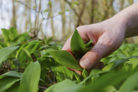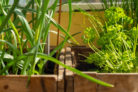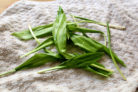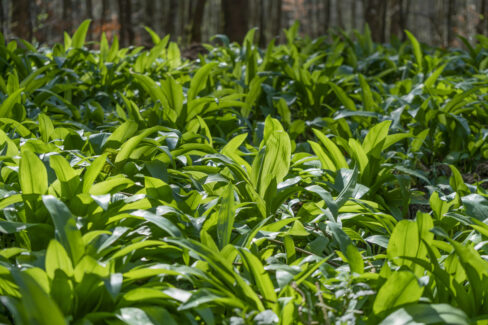
One of the best ways to get a patch of wild garlic (also known as ramps or bear’s garlic) going is by starting from seed. With a few simple tricks, you can get it established in your own backyard and eventually let it naturalize so it spreads all on its own!
When to Plant
The best time to sow wild garlic seeds is in the fall or very early spring. These seeds are “cold germinators,” meaning they actually need a period of chilly temperatures to wake up and start growing once things warm back up. You’ll also want to make sure they are lightly covered with soil, as they prefer darkness to sprout.
Technically, you could toss the seeds out in the summer right when the plants drop them naturally. However, your success rate will be much higher if you take a more targeted approach and propagate your wild garlic at the right time. If you leave them out all summer, hungry birds and busy insects tend to carry most of them off before they ever have a chance to grow.
Preparing the Soil
You can sow the seeds directly into the ground—no need to fuss with seed trays or starting them indoors. First, pick the right spot. Wild garlic loves a place that gets partial shade in the spring and full shade during the summer. A spot under deciduous trees or a leafy hedge is perfect.
Before you plant your wild garlic, give the soil a little TLC. It should be rich in organic matter and full of nutrients. Since the seeds are quite tiny, make sure the soil is raked well and has a fine, crumbly texture.
Once you’ve sown the seeds, give the area a good watering. The soil needs to stay consistently moist while the seeds are germinating. To keep things from drying out, you can cover the patch with a bit of garden fleece.
Caring for Young Plants
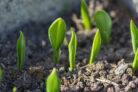
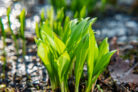
Don’t be surprised if nothing happens right away—it can take several weeks for the seeds to sprout. If you plant in the fall, you won’t see green shoots until the following spring. For fall plantings, you can add a thin layer of shredded leaves as mulch. Just be sure to clear away any leftover leaves in early spring so the sprouts can poke through.
During that first year, the most important thing is moisture. Even after the leaves die back for the season, the little bulbs underground shouldn’t be allowed to bone-dry. If the summer is too harsh, those tiny bulbs might not make it. Also, try to resist the urge to harvest your wild garlic in the first year. Letting the plants keep their leaves helps them put all their energy into building strong roots for the future!