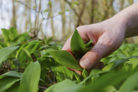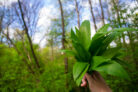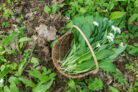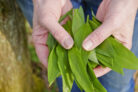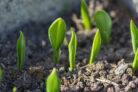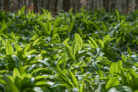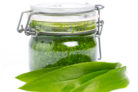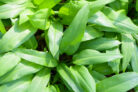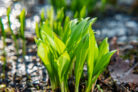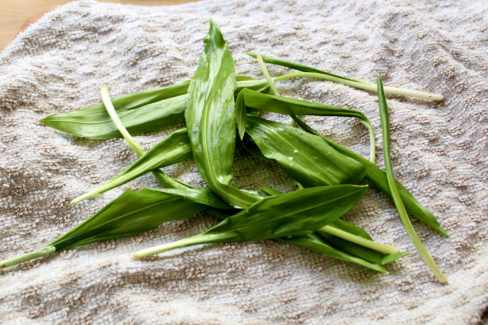
The window for harvesting wild garlic leaves (also known as ramps or bear’s garlic) is notoriously short. But here’s a pro tip: don’t stop at the leaves! You can actually eat the flowers and the bulbs, too. This means you can keep enjoying your harvest even after the plants have finished blooming.
Using the Seeds
Once the flowers fade, wild garlic develops seed heads that start out green and eventually ripen to black. You can actually start using them while they’re still green! At this stage, they have a sharp, spicy kick and are packed with aroma. If you wait until they’re fully ripe and black, you can grind them up just like peppercorns. Plus, those mature seeds are perfect if you want to grow even more wild garlic in your garden.
If you decide to harvest the green seeds, you’ll need to dry them first. Just pop the stems off and spread the seeds out on a baking sheet lined with parchment paper. Set your oven to about 120°F (50°C) and leave the door cracked open slightly. They’ll be dry and ready to store in no time.
Leaves After Blooming: A Little Less Punch
There’s a common myth that wild garlic becomes toxic once it flowers—but don’t worry, that’s totally false! However, if you try to eat the leaves raw late in the season, you’ll notice the flavor isn’t quite as punchy. This is because the plant is redirecting all its energy into making seeds and new bulbs.
You can definitely still use the leaves after the blooming phase; you’ll just need to use a larger handful to get that signature garlic flavor. Since older leaves can get a bit tough, I recommend cooking them rather than eating them fresh. They are fantastic stirred into soups or mixed into sautéed veggie dishes.
Don’t Forget the Bulbs
Every single part of the wild garlic plant is edible, including the tiny bulbs. In fact, the best time to harvest them is right after the flowers fade or just before the leaves die back for the season. A quick word of advice: only harvest the bulbs if you have a large, established patch that needs a little thinning out.
Carefully dig the bulbs out of the soil. I like to keep the larger ones for the kitchen and replant the smaller ones so the patch keeps growing. These bulbs have a very intense flavor, so a little goes a long way! If you have a big harvest, a great way to save them for later is by pickling the bulbs.