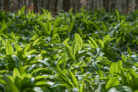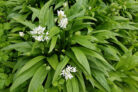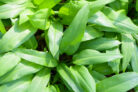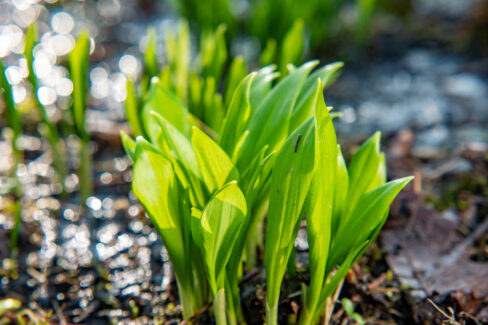
Having wild garlic (or ramps, as many of us call its close cousins) in your garden is a total game-changer in early spring. It’s a fantastic source of vitamins and adds a fresh, garlicky punch to so many dishes. If you’re looking to expand your patch, there are a few easy ways to propagate it yourself.
Growing from Seed
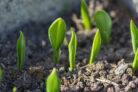
One way to get more wild garlic is by starting from scratch with seeds. You’ll want to sow wild garlic seeds either in the fall or very early spring. These seeds are “cold germinators,” meaning they actually need a chilly period to wake up and start growing.
Wild garlic seeds also prefer the dark to sprout, so make sure to cover them with a thin layer of soil—about the thickness of the seed itself. If you’re planting in the fall, tossing a layer of leaf mulch over the area is a great idea. Just keep an eye on it: if the mulch hasn’t fully broken down by spring, you’ll want to clear it away so the sprouts can poke through.
Pro tip: Wild garlic loves leaf mulch in general. It mimics the forest floor and encourages the plants to self-seed later on. Mulch from beech, linden, or willow trees is the gold standard here.
Propagation by Division
When wild garlic has enough elbow room, it produces “offset” bulbs to spread out. This is why transplanting wild garlic is actually really beneficial—it gives the plants the space they need to thrive. Plus, when they aren’t cramped, they grow much larger, healthier leaves.
You can divide the clumps while the leaves are still visible, but I’d only suggest doing that if your patch is getting really dense. Ideally, you should wait until fall to dig them up, separate the individual bulbs, and replant them.
Creating Space for Self-Seeding
If you give it the right soil and location, wild garlic is actually pretty great at spreading all on its own. The main thing is to make sure it doesn’t have to compete with aggressive groundcovers. It loves partial shade—think under the canopy of a tree. During the peak wild garlic season in spring, you want to avoid spots that are either baking in full sun or stuck in deep, dark shade. A little dappled sunlight is perfect, and they’ll appreciate the extra shade once the summer heat hits.
In the fall, don’t forget to mulch the area where your wild garlic lives. Since the seeds need darkness to germinate, that layer of mulch does the trick perfectly. Plus, as it breaks down, it adds nutrients and creates that rich humus soil that these plants crave.