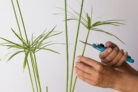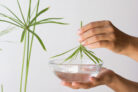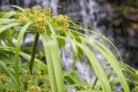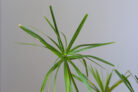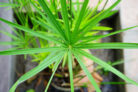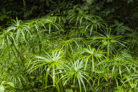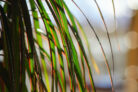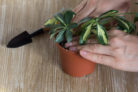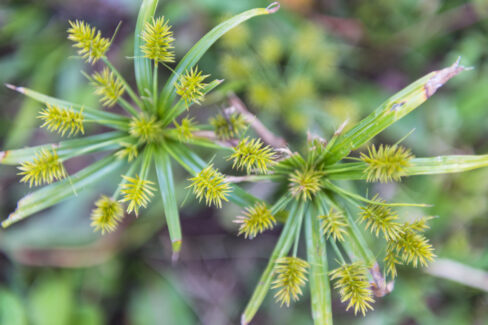
The tips of those long stems are definitely the star of the show—that’s where all those gorgeous, umbrella-like leaves sprout! It’s a total bummer when those vibrant green tips start turning a crispy brown instead. So, why does this happen, and how can we fix it?
Thirst is Usually the Culprit
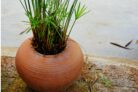
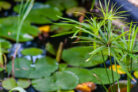
The most common reason for brown tips is simply a lack of moisture. In the wild, Umbrella Papyrus is a marsh plant, and even when it’s grown away from a swampy location, it still craves water. If you’re growing it by a backyard pond or even in an aquarium, you’re probably doing great. The brown tip struggle usually hits indoor plants during the fall and winter. Central heating is often the villain here, drying out the air even if the plant isn’t right next to a vent. Sometimes, it’s just a matter of a plant parent not realizing exactly how much water these thirsty guys actually need.
How to Fix the Dryness Issue
Unfortunately, once those tips turn brown, they won’t turn green again. If the look bothers you, go ahead and trim them off. To keep the rest of the plant looking fresh, here’s your new game plan:
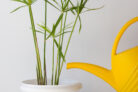
- Water heavily and often.
- Keep the saucer filled with about an inch of water at all times.
- Mist the plant regularly if your indoor air is dry.
- Move it away from heaters or radiators.
- Give it a “winter break” in a cooler spot (around 60-65°F).
Sunburn from Intense Light
Even though they love light, summer sun can be intense enough to actually scorch your Umbrella Grass. Those delicate leaves at the tips are the most sensitive and will brown quickly under too much heat. If you’re moving an indoor plant outside for the summer, make sure to acclimate it to the direct sun gradually. For young, newly planted specimens, it’s a good idea to provide some shade during the heat of the afternoon.
Pests Can Cause Browning Too
Pests—especially spider mites—love to move in when indoor plants are kept in warm, dry air. This is a common issue when non-hardy varieties are overwintered in conditions that are too toasty and dry. If you spot an infestation (which often shows up as brown tips and tiny webs), you’ve got to act fast. Moving forward, keeping the humidity up is your best defense.
Pro Tip:
Since Umbrella Grass is a champ at handling pruning, you can usually manage a pest problem by giving the plant a radical “haircut.” Cut it back significantly to get rid of the bulk of the pests, making the rest of the treatment much easier!