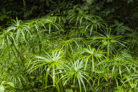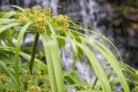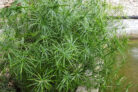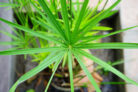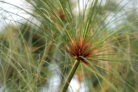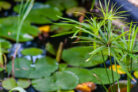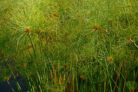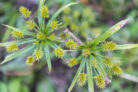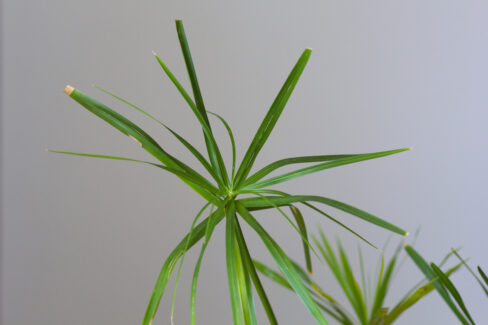
If you’ve got a native variety of Umbrella Papyrus (Cyperus) in your garden, it can usually handle a chilly winter without losing a single blade. However, many of our favorite varieties are world travelers from tropical climates. These guys are definitely not fans of the cold and will practically beg you for a cozy, warm spot to spend the winter!
Perennial Vibes, but Not Always Hardy
Umbrella Palms are perennials, meaning they can live for years. But here’s the catch: the tropical and subtropical varieties aren’t winter-hardy. If you want to keep your leafy friend around for another season, you’ve got to give it a warm place to crash. You can either keep it as a year-round houseplant, grow it in an aquarium, or make sure to bring it inside before the first frost hits.
Moving Day and the Perfect Winter Spot
Once the thermometer dips below 50°F (10°C), most species start to struggle. Take that temperature as your cue that it’s time to move indoors! You’ll want to make sure your winter storage spot stays above that mark, too. Likewise, don’t move your plants back outside in the spring until nighttime temperatures are consistently in the double digits.
The ideal winter home should be bright and kept between 60°F and 65°F (15–18°C). A bedroom or a well-lit hallway is usually perfect. Even if you grow your Umbrella Palm as a houseplant all year, it’ll actually appreciate a slightly cooler spot during the winter months. One quick safety tip: make sure the plant is out of reach if you have pets, as Umbrella Grass can be dangerous for cats. Those leaves have sharp edges that can cause some real trouble.
Keeping Your Plant Healthy Until Spring
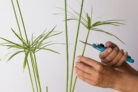
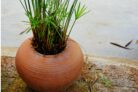
Before you move your plant in for the season, give it a good trim and clear out any wilted stems. If it’s in a pot, just bring the whole thing in. If it’s been living in a pond, you’ll need to dig it up and place it in a bucket of water. Skip the fertilizer during the winter, but make sure to keep up with these basics:
- Water regularly; the roots should always be wet (they love “wet feet”!).
- Keep the air humid by misting the plant often.
- Keep an eye out for any hitchhiking pests.
- Plan to repot your plant around February or March.
Pro Tip:
If you notice brown tips on the leaves, take a closer look. It’s usually a sign that the air is too dry or that some pests have moved in.
Native Varieties
If you’re growing a native variety like the Long Cyperus (*Cyperus longus*), you’re in luck! These are hardy enough to stay outside. Depending on how sheltered the spot is, they can survive temperatures as low as 5°F (-15°C).